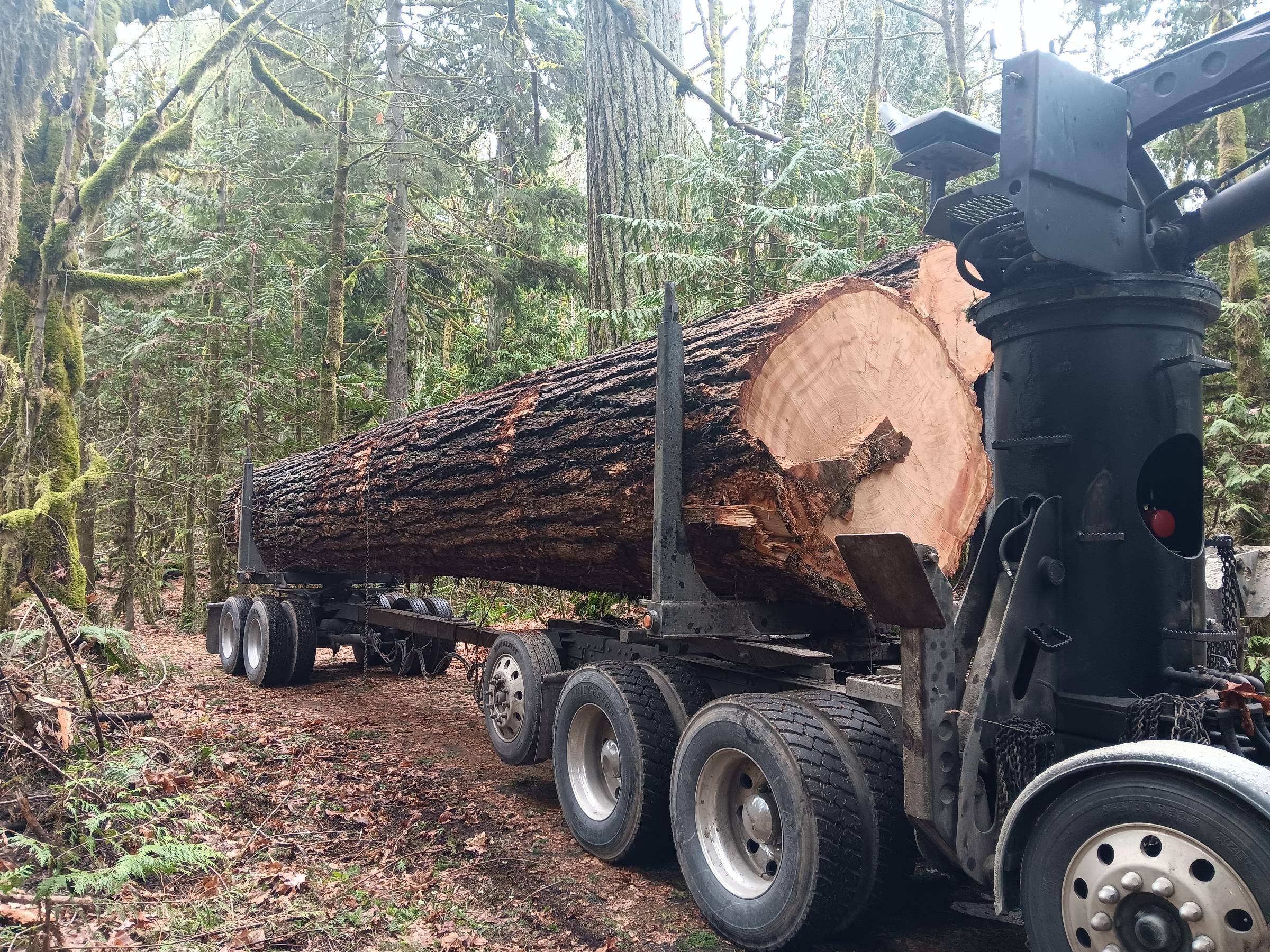
The federal government has moved closer to repealing the Roadless Rule, a landmark 2001 policy that prohibits road construction and commercial logging across 58 million acres of national forest in the United States. If finalized, the repeal would open more than 400,000 acres of protected roadless land in the Mount Baker-Snoqualmie National Forest to road building and timber harvest, a change that would directly affect the forests, watersheds, and recreational landscapes that define life in Whatcom County.
The U.S. Forest Service released a proposed rule and draft environmental impact statement this week, formally launching the public comment period. The process began more than a year ago when U.S. Department of Agriculture Secretary Brooke Rollins announced the rollback of the 25-year-old rule. The administration's stated rationale is wildfire prevention and what it calls responsible timber production.
What the Roadless Rule Has Protected
The 2001 Roadless Rule was enacted during the final weeks of the Clinton administration after one of the most extensive public comment processes in Forest Service history, drawing more than 1.6 million comments from citizens, scientists, and state governments. Its core prohibition is straightforward: no road construction and no commercial timber harvest in roadless areas of national forests, which are defined as areas of 5,000 acres or more without existing roads.
In Washington state, roadless areas cover more than 2 million acres. These are separate from congressionally designated wilderness areas, which carry stronger permanent protections. Roadless areas represent a middle category of protection, land that is not formally designated wilderness but has been managed without roads or industrial extraction because the Forest Service determined that their ecological and recreational values outweigh the timber value.
For Whatcom County residents, the Mount Baker-Snoqualmie National Forest's roadless areas include critical upper watershed land that feeds Whatcom County's rivers, supports salmon and bull trout habitat, provides snowpack storage that supplies drinking water for communities across the region, and forms the backcountry buffer that gives trails like the Ptarmigan Ridge and areas around Mount Baker their wild character. Once roads are built and timber is removed, that character does not return on any timescale relevant to current residents.
The Wildfire Argument and What Research Says
Administration officials have framed the repeal as a wildfire prevention measure, arguing that road access is necessary to fight fires in remote areas and that logging reduces fuel loads. But the argument is contested by a substantial body of research.
Roughly 85 percent of wildfires each year in the United States are caused by human activity, and the research consistently shows that most human-caused ignitions happen near roads and developed areas. Remote roadless areas, where lightning strikes do occasionally start fires in steep, inaccessible terrain, have historically been given lower firefighting priority by federal agencies precisely because the risk to human infrastructure is lower and the ecological case for allowing some natural fire is stronger.
Building roads into currently roadless areas to enable fire suppression access would, by the same logic, increase human presence and ignition risk in areas that currently see very little. Critics of the repeal, including conservation groups and many state governments, argue the wildfire justification does not hold up under scrutiny.
Proponents of the repeal, including the American Forest Resource Council, a regional trade association representing the timber industry, argue that active forest management, including commercial logging, reduces the risk of catastrophic fire by thinning dense forest stands. The scientific debate on that question continues, with outcomes varying significantly depending on forest type, climate zone, and the specific management practices involved.
How to Comment and What Happens Next
The public comment period on the proposed rule is currently open. Residents of Whatcom County who use national forest land for hiking, fishing, hunting, climbing, or water supply have a direct stake in this decision and are encouraged to submit comments through the Federal Register process. Instructions for submitting comments are available through the Mount Baker-Snoqualmie National Forest website and through the broader Forest Service public engagement system.
Environmental organizations including the Washington Wild coalition have published comment guides for residents who want to participate but are not sure where to start. The comment period on a rule of this significance typically runs 60 to 90 days from publication of the proposed rule in the Federal Register. After the comment period closes, the agency reviews public input and publishes a final rule, which is then subject to potential legal challenge.
For Whatcom County readers who want to track this issue, the fate of the Roadless Rule repeal will be one of the most significant federal land management decisions affecting this region in a generation. Earlier coverage of fire conditions in the Mount Baker area, including the ongoing Border 2 and Luna fires, is available in our wildfire briefing from this week. Additional context on the Roadless Rule and Washington's roadless areas is available through The Wilderness Society.