The Lynden Heritage Museum, a sprawling three-story institution that bills itself as a place where residents can link themselves to the heritage of Whatcom County, is fighting to stay open. City budget cuts combined with repair costs from an October 2025 fire have left the museum in a financial emergency severe enough that its own leadership describes closure as a real possibility without significant community support before the end of 2026.
The museum's staff, board, and volunteers have launched an ambitious campaign to raise $100,000 by December 31. As of early August, donations had reached more than $15,000, a start but still a long way from the goal.
What Makes This Museum Unusual
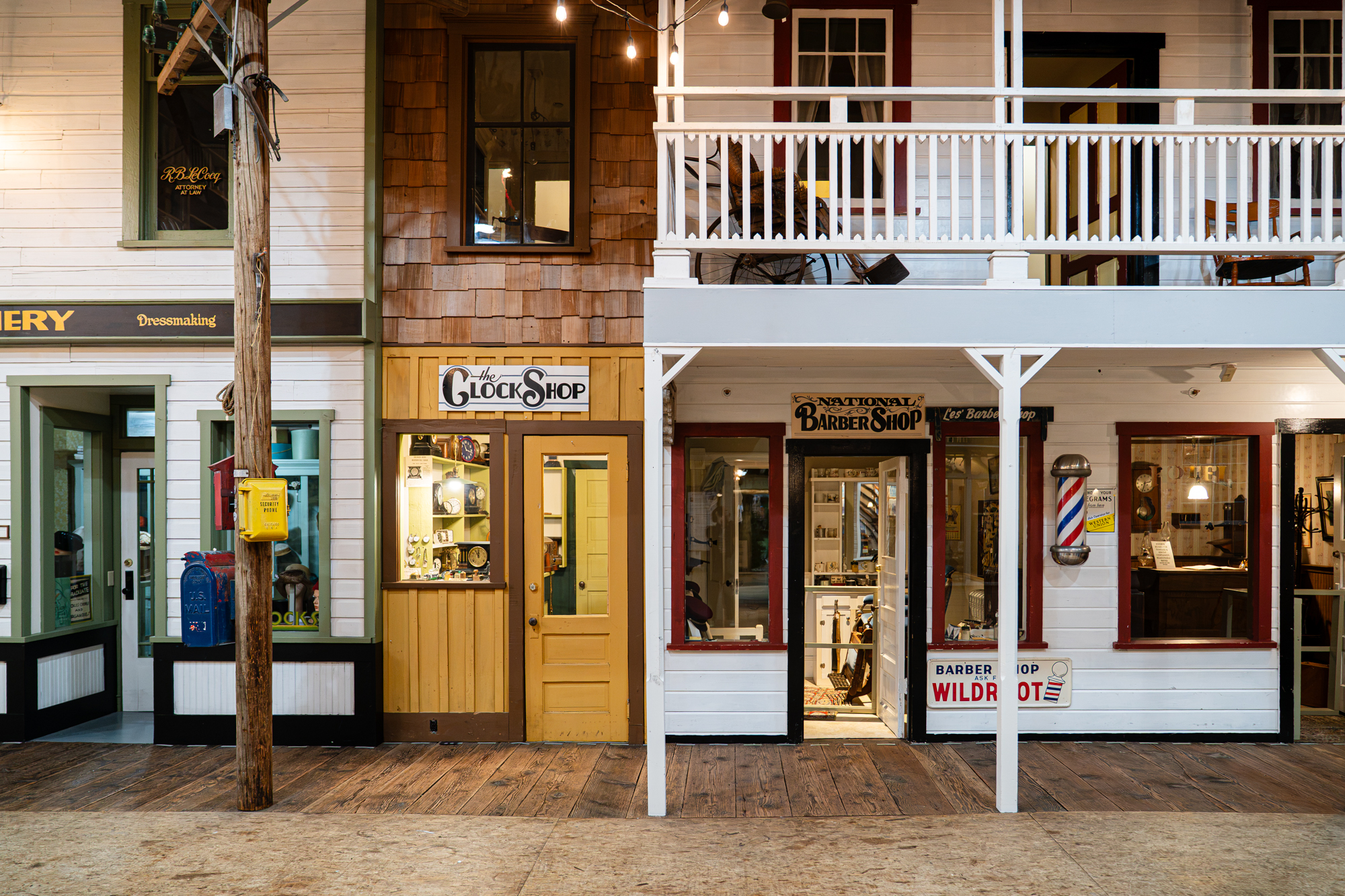
Lynden Heritage Museum is not a typical small-town museum. Visitors expecting a modest collection suited to a community of roughly 16,000 people are routinely surprised by what they find inside. The institution houses approximately 55,000 items across three floors, including a life-sized replica of Lynden's historic Front Street on the first floor, an extensive collection of homesteading artifacts, agricultural exhibits that document the area's Dutch immigrant farming heritage, and the largest collection of horse-drawn buggies and carriages west of the Mississippi River.
Former collections manager Hayden Simpson, whose position was eliminated earlier this summer as part of cost-cutting measures, often warned visitors who planned to spend half an hour that they would not have enough time. The museum genuinely requires multiple visits to experience fully, and its collection rivals institutions in cities many times Lynden's size.
The first floor's replica of Front Street is among the most distinctive exhibits in the region, a walkable recreation of the town's historic commercial district that allows visitors to step inside storefronts and interact with displays in a way that few museums attempt. Executive Director Jennifer Maas, who joined the museum in September 2025, has made the exhibits more immersive since her arrival, part of a broader effort to make the institution more engaging for contemporary visitors.
How the Crisis Developed
The museum's financial troubles stem from two converging problems. First, the City of Lynden reduced its budget contribution to the museum, removing a significant piece of the institution's operating revenue. Second, a fire in October 2025 caused damage that required repairs, adding unexpected costs at exactly the moment when the city was pulling back its support.
The combination left the museum with enough cash to operate for only a few months at best, according to a July 2026 statement from the Lynden Chamber of Commerce, which was direct in its assessment: "Today, the Lynden Heritage Museum is well on the way to closing the doors for good. The money well is dry."
Maas has been leading the fundraising effort despite being less than a year into her tenure. Keeping the institution from shuttering is now the primary goal of her leadership, a difficult position for an executive director to find herself in so early in a new role. She is not alone: Simpson and other former and current staff members, board members, and community volunteers are actively working to build the donation base and raise public awareness of the museum's situation.
How to Help
The museum's survival campaign needs donations from across Whatcom County and beyond. The institution's collection documents not just Lynden's history but the broader agricultural, immigrant, and pioneering heritage of the entire region. Losing it would mean losing an irreplaceable archive of objects and stories that exist nowhere else.
The Lynden Heritage Museum is located at 217 Front St. in Lynden and is open to visitors during regular museum hours. Donations can be made directly through the museum and are urgently needed before the end of the year. The $100,000 goal represents the minimum the museum believes it needs to stabilize operations and address the most pressing financial gaps.
For Whatcom County residents who have never visited, the current moment may be the right time to go. The museum offers something genuinely rare: a window into the daily lives of the people who settled and built this corner of Washington state, preserved in extraordinary depth and detail by a community that understood what would be lost if no one saved it. More context on Whatcom County's land and heritage preservation efforts is available in coverage of this week's Canyon Lake trail renaming.
For more information or to make a donation, contact the museum directly through lyndenmuseum.com or visit in person at 217 Front St., Lynden. The Lynden Chamber of Commerce has also been active in spreading the word, and community members looking to help beyond financial donations can reach out to the museum about volunteer opportunities. Time is genuinely short: without reaching the fundraising target, the museum that contains more than 55,000 pieces of Whatcom County history may not survive to see 2027. Additional Washington state museum resources and preservation funding programs may also be available through the Washington State Arts Commission.