A single Washington state resident has collected more than $300,000 in public records settlements from cities and counties across the state after filing dozens of records requests for images and data captured by Flock Safety license plate reader cameras, then suing the governments that failed to respond in time. The case has drawn attention across the Pacific Northwest, and local governments including Sedro-Woolley and Stanwood are among those that have paid settlements in the past year.
Jose Rodriguez filed 53 records requests to local governments in Washington between September 2024 and October 2025, seeking to access data from Flock Safety cameras, the most widely deployed brand of automated license plate reader in the country. Roughly one-third of the governments he contacted did not comply with the requests within the legal timeframe, exposing them to public records act penalties.
What Happened in Sedro-Woolley and Stanwood
The most recent settlement involving a local agency came last week when the Sedro-Woolley City Council voted to approve a $40,000 payment to Rodriguez for failing to release Flock camera data and images he had requested. Sedro-Woolley's city council had already voted to turn off its Flock cameras in June, partly in response to the legal exposure created by the records dispute.
Stanwood was on the hook for an identical amount. Its city council voted the following day to authorize Mayor Sid Roberts to sign a settlement agreement also for $40,000. Neither settlement included actual release of the requested records, which both cities say they no longer possess. That is a direct consequence of how Flock structures its data: the company stores camera footage on its own servers subject to a rolling 30-day deletion policy. Records that are not downloaded before they expire are gone permanently, which created an impossible situation for records custodians who did not act quickly enough after receiving Rodriguez's requests.
Rodriguez told reporters his goal was not financial gain but rather to help communities better understand the AI-powered surveillance technology that law enforcement agencies use to document every passing vehicle. He argued that cities had sufficient time to respond before Flock's deletion schedule destroyed the records, and the settlements suggest courts agreed.
How Flock Cameras Work and Why Records Are Complicated
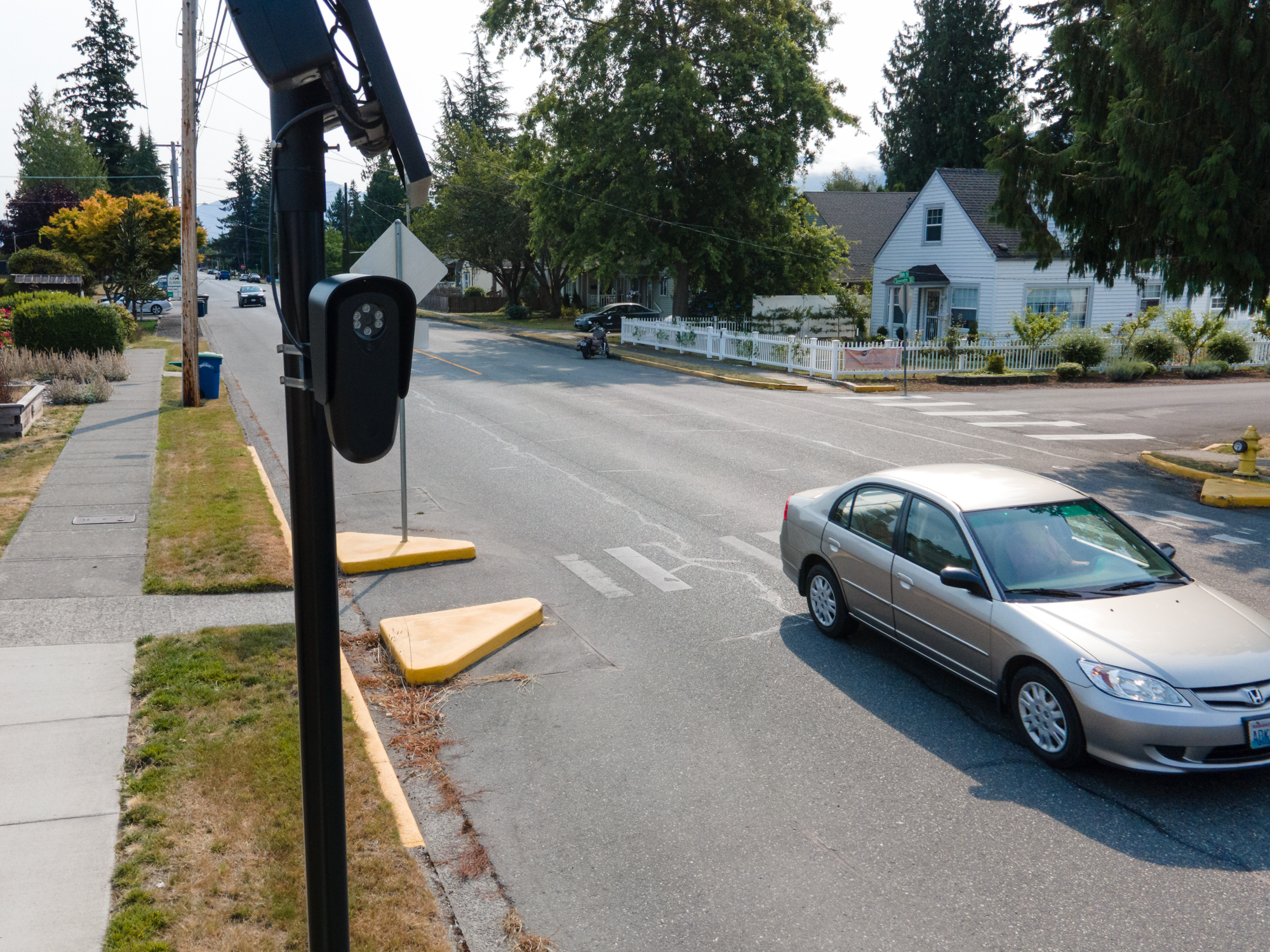
Flock Safety cameras, which are deployed by law enforcement agencies across the country, capture between six and twelve time-stamped images of every vehicle that passes them. The system logs the license plate number, make, model, color, and unique physical features of each vehicle including bumper stickers and damage. Law enforcement agencies can then search the Flock database by plate number or vehicle description to track the movement of specific vehicles.
The cameras are hosted by Flock Safety rather than by the agencies that deploy them, which created the records management problem at the center of Rodriguez's lawsuits. Under Washington's Public Records Act, data held by or on behalf of a government agency is a public record. But Flock's rolling deletion policy meant that records could be automatically destroyed before a custodian even accessed the system to fulfill a request, particularly if a records request sat in a queue for more than 30 days.
The practical consequence: governments that deployed Flock cameras were collecting public records they could not reliably preserve or produce, creating legal liability they may not have fully understood when they contracted with the company. The wave of settlements in Washington represents a reckoning with that gap.
What the Data Reveals About Local Law Enforcement
A companion story to the Flock settlements involves a searchable website called "Have I Been Flocked?" which allows anyone to type in a license plate number and check whether law enforcement has manually searched for their vehicle in public records databases compiled from Flock data. The site, sponsored by the nonprofit Alternative Newsweekly Foundation, contains records of nearly 242 million searches across roughly 4.7 million plates.
Searches by officers from 115 Washington law enforcement agencies appear in the database. The Bellingham Police Department accounts for 5,648 searches in the publicly available dataset, according to reporting by Cascadia Daily News. That figure reflects only searches manually entered by officers, not the passive recording of every vehicle passing a camera. The distinction is important: every car that drives past a Flock camera is photographed and logged automatically, but only some of those records involve an officer actively querying the system for a specific plate.
What Comes Next for Flock Cameras in Whatcom County
The settlements and ongoing litigation have created pressure on local governments to re-examine their Flock contracts and records management policies. Sedro-Woolley's decision to turn off its cameras in June represents one response. Other agencies may be evaluating their own exposure.
Washington residents who want to know whether their license plate appears in the public database of officer searches can visit the Have I Been Flocked website and enter their plate number. The records are incomplete, varying by jurisdiction, but the tool offers a window into how often local law enforcement uses Flock's surveillance system to track vehicle movements.
For Whatcom County residents following this issue, the broader policy questions around AI-powered mass surveillance cameras on public roads remain unresolved at both the state and local level. More detail on how the public records process works in Washington and how to file your own records requests is available through the Washington State Attorney General's Public Records Act resources. Related prior coverage of local government transparency is available in our reporting on local accountability issues.