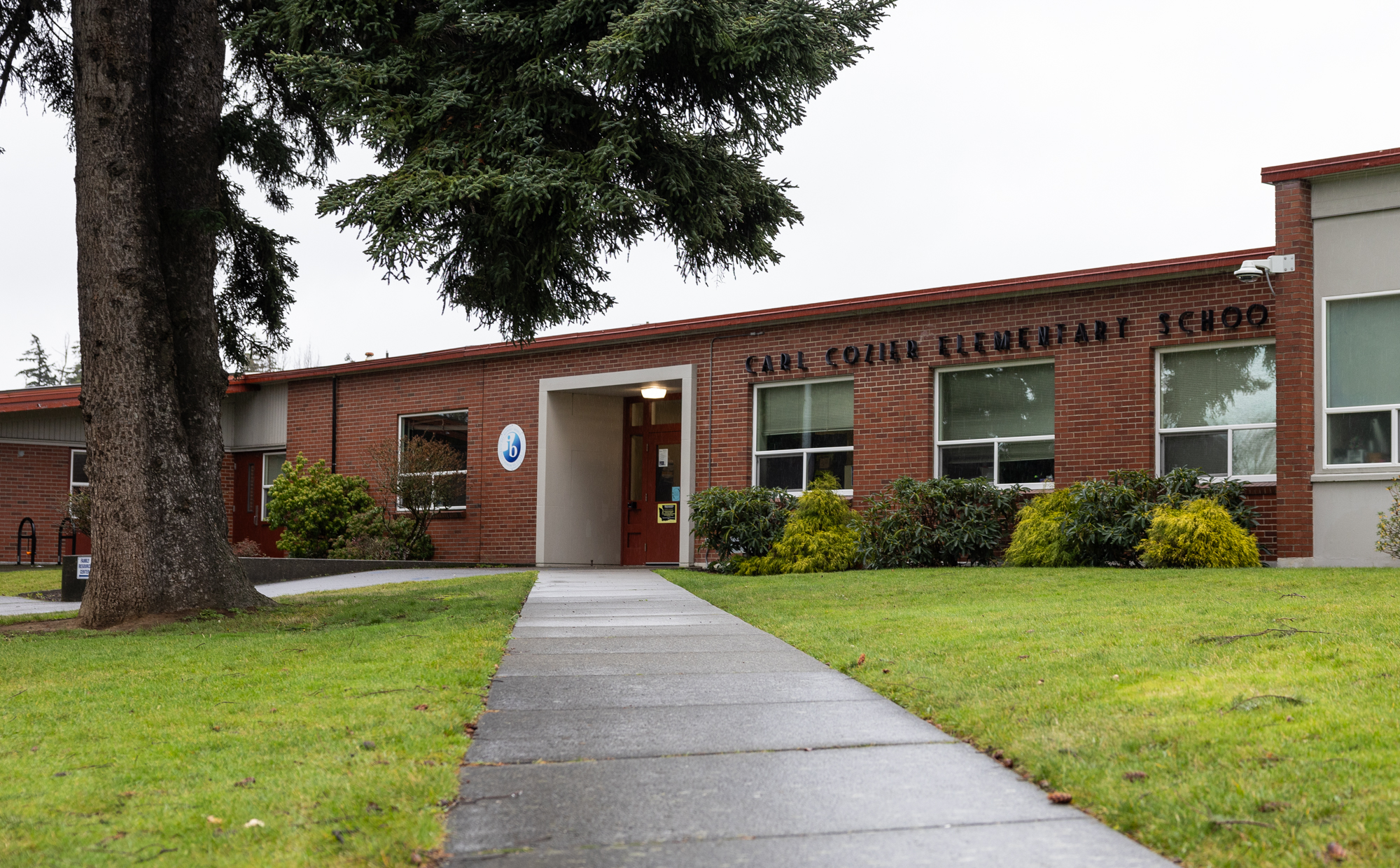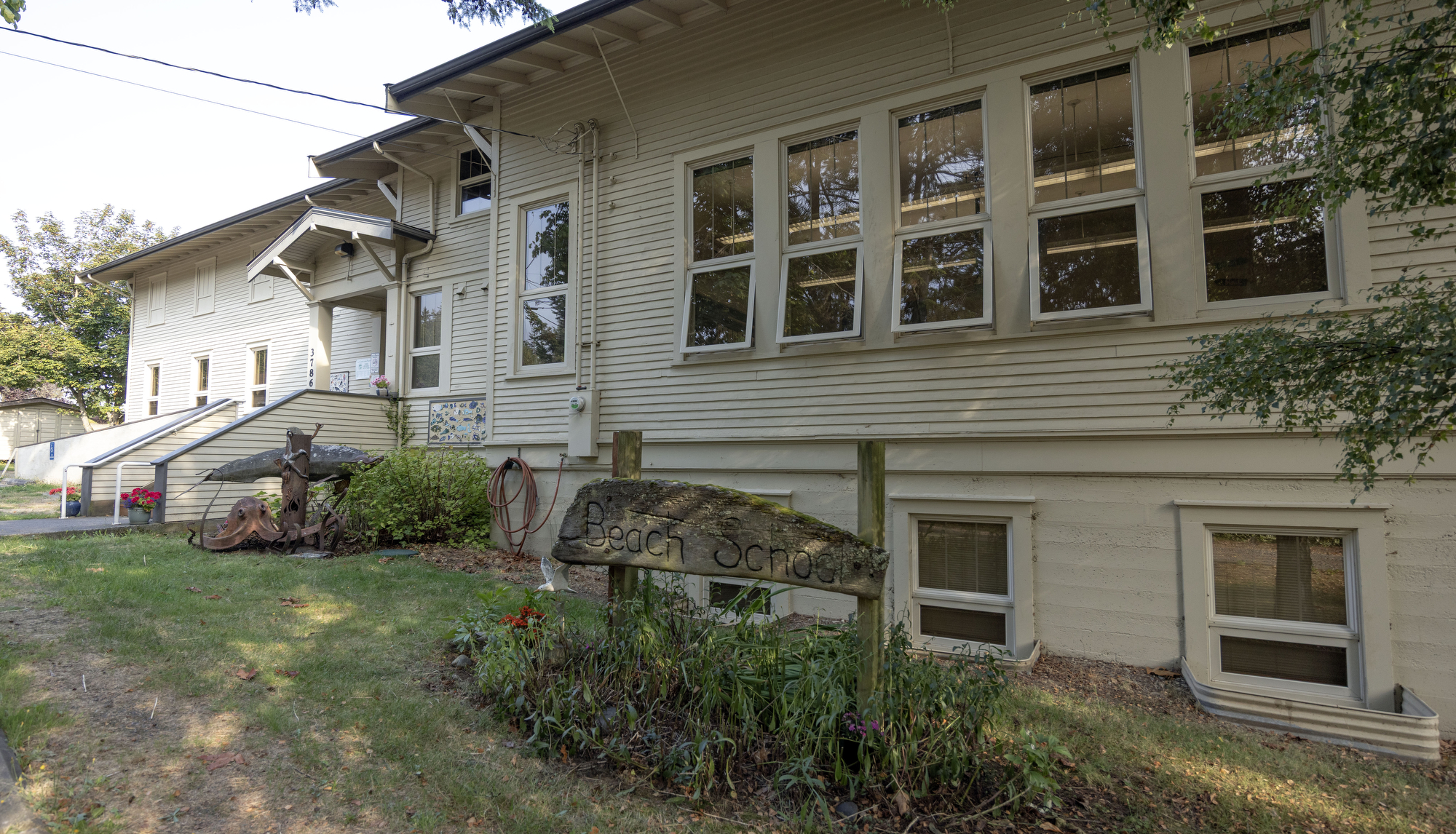
Lummi Island's Beach Elementary School will open the 2026-27 school year with a single teacher instructing 24 students across five grade levels in one classroom, a shift that marks the end of a community fundraising effort that briefly kept a second teacher in place last year. The transition reflects the compounding pressures of enrollment decline, rising ferry costs, and a housing shortage on the island that have made it increasingly difficult for new families to put down roots there.
From 60 Students to 24 in Three Decades
Thirty years ago, Beach Elementary served roughly 60 students. Today that number stands at 24, down from 30 last year. No kindergartners are enrolled for the upcoming school year. The decline is steep enough that the school's continued existence as a two-teacher institution has become financially untenable within the Ferndale School District, which oversees Beach Elementary along with schools in Ferndale proper and surrounding communities.
Last year, when Ferndale School District announced it could not fund two teachers at Beach due to budget pressures and enrollment declines, the Lummi Island community responded with one of the most dramatic local fundraising efforts in recent Whatcom County education history. Within weeks, parents, islanders, and supporters raised $125,000, enough to fund teacher Arria Merrill's position for one additional year. Beth Randall, a parent of Beach students and head of the Lummi Island Foundation for Education, described it as "a testament to how beloved these teachers are."
That effort has proven unsustainable for a second consecutive year. The community cannot raise $125,000 annually in perpetuity, and the enrollment numbers have continued to slide rather than stabilize. Celina Rodriguez, director of communications for Ferndale School District, said the elimination of the second teaching position at Beach is driven entirely by enrollment declines, not by broader district budget challenges. But the result is the same: one teacher, 24 students, five grades, one room.
Why Families Are Not Coming to Lummi Island
Islanders point to a convergence of factors that make Lummi Island an increasingly difficult place to raise a family despite its natural beauty. Housing costs have risen sharply, and rental options are scarce. The ferry that connects the island to the mainland, operated by Whatcom County, carries fares that have increased over time and represent a daily commuting cost for working parents. For families weighing where to live in Whatcom County, the combination of limited housing, ferry dependence, and a school with shrinking resources tips the calculus away from the island.
The result is a self-reinforcing cycle. Fewer families means fewer students means fewer teachers means fewer reasons for families with school-age children to choose the island over Ferndale or Bellingham, which offer larger schools with more programs, more extracurricular options, and no ferry fare. The school's designation as a "remote and necessary" institution, a state classification for schools serving geographically isolated populations, has kept it open, but that designation does not generate additional funding sufficient to reverse the enrollment trend.
Beach Elementary has served island children for more than 100 years. The K-5 school is not simply a building; it functions as a community institution in a place where institutions are few and the bonds between neighbors are unusually tight. For Lummi Island, the school is a reason for young families to stay and a signal to potential newcomers that the community is viable as a long-term home. A school with one teacher and two dozen students sends a different signal than it did when 60 children filled those classrooms.
What Comes Next for Beach Elementary
For the upcoming school year, one teacher will manage a multi-grade classroom spanning kindergarten through fifth grade, a structure that is not unprecedented in rural Washington but that places significant demands on both the educator and the students. Multi-grade classrooms require differentiated instruction across wide developmental ranges and offer less individualized attention per student than single-grade settings. Whether the school can maintain quality learning outcomes under those conditions will be closely watched by both parents and district administrators.
The longer-term question is whether Beach Elementary can survive another several years of enrollment pressure before a stabilization or recovery occurs. The Lummi Island Foundation for Education, which led last year's fundraising campaign, remains active and engaged, but Randall acknowledged the effort was "really hard" on the community emotionally and financially. Repeating it on an annual basis was not a realistic plan.
Any meaningful reversal would likely require changes at the structural level: more affordable housing on the island, reduced or subsidized ferry fares for island families, or a broader community recruitment effort to attract young families who value the small-school environment that Beach Elementary offers. None of those levers are easily pulled, and none are within the direct control of the school district.
For Whatcom County readers following the parallel pressures on Bellingham Public Schools, where a facilities task force has proposed closing two elementary schools amid a 1,000-student enrollment decline since 2018, the Beach Elementary situation illustrates just how far enrollment decline can go before a school community faces truly difficult choices. More details on the Bellingham school closure debate, including the state funding formula at the center of the controversy, are available in coverage published today. The Ferndale School District's official communication on school programs and enrollment is available at ferndalesd.org. Families interested in the Lummi Island community can learn more through the Whatcom County ferry schedule and public resources at whatcomcounty.us.