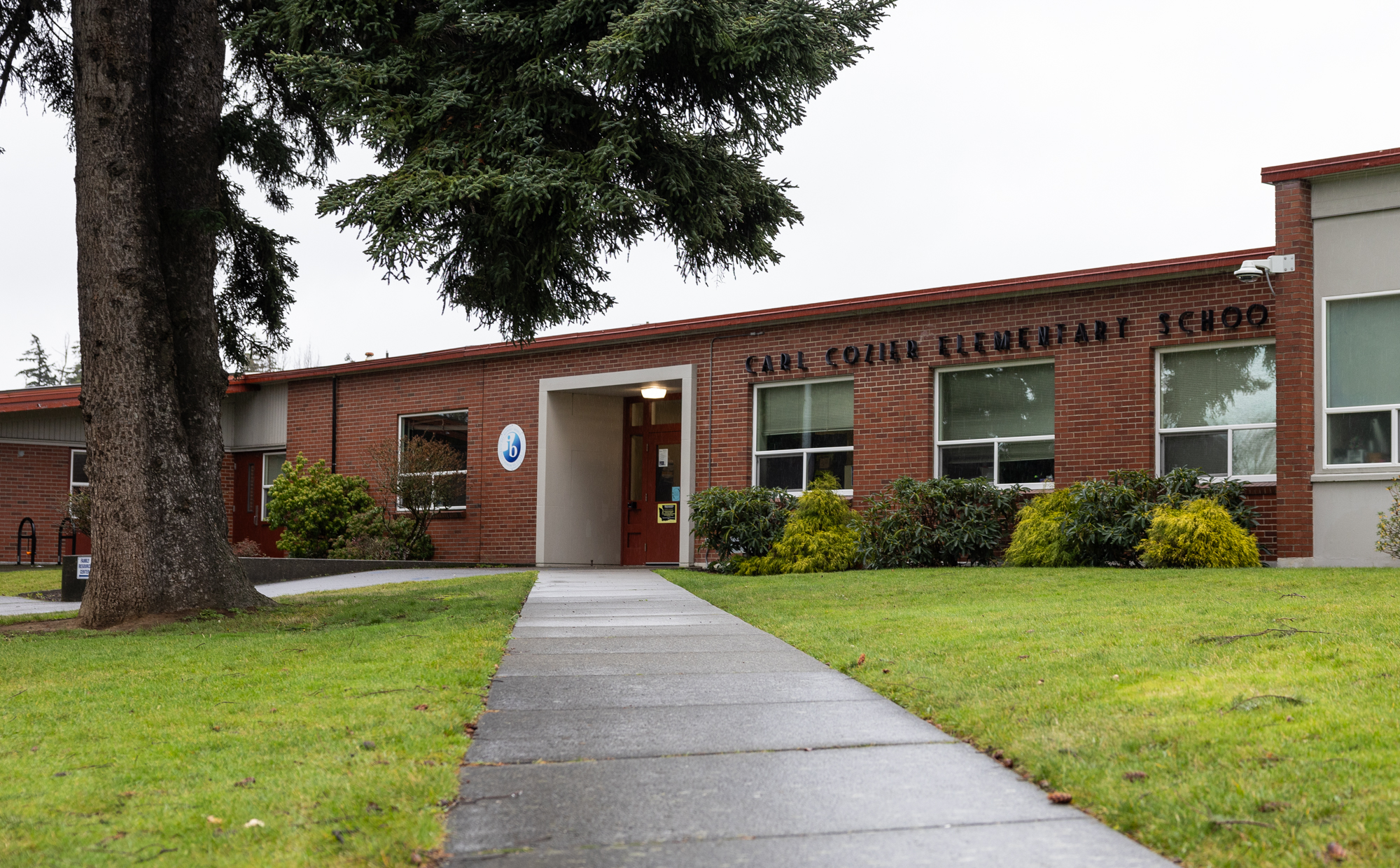
A proposal to close two Bellingham elementary schools is drawing scrutiny from educators and researchers who argue the underlying math driving the recommendation was never designed to guide school closure decisions in the first place. The Bellingham Public Schools Facilities Planning Task Force has recommended closing Carl Cozier Elementary and Columbia Elementary, but a Western Washington University education instructor says the formula used to justify that recommendation deserves far more public examination than it has received.
The Budget Pressure Behind the Proposal
The financial context is real and significant. Bellingham Public Schools has seen enrollment drop by roughly 1,000 students since 2018, a decline the district attributes primarily to falling local birth rates. A $7.5 million budget shortfall has already forced the elimination of nearly 60 staff positions across the district. The Facilities Planning Task Force estimates that closing a single school would save between $750,000 and $1.5 million annually, making consolidation appear attractive on a spreadsheet.
But Lauren Dudley, who teaches science methods courses at Western Washington University and places student teachers in Bellingham elementary classrooms every quarter, argues the justification for closure keeps shifting between two different rationales. "The justification offered to the public has shifted between budget crisis and demographic decline," she writes, and underneath both explanations sits a number that she believes is being used well beyond its intended purpose.
The 400-Student Formula Under the Microscope
That number is 400: the figure embedded in Washington State's "prototypical school" funding model, codified in state law under RCW 28A.150.260. The model assumes a standard elementary school of 400 students for purposes of calculating how many teachers, counselors, and support staff the state will fund per pupil. The task force appears to have used this benchmark as evidence that schools with fewer students are undersized and inefficient.
Dudley's core argument is that 400 is an accounting convenience, not an educational standard. The statute exists to generate funding formulas, not to define an optimal learning environment. State lawmakers themselves are questioning the figure, she notes, which means the district may be leaning on a benchmark that even Olympia is reconsidering. Using it as the primary justification for closing schools, she argues, is building policy on a foundation the state itself has not fully vetted as educationally sound.
Her concern carries professional weight beyond her role as a policy critic. Dudley's academic research focuses on self-efficacy and sense of belonging, the psychological conditions that determine whether a child believes they can succeed in school. Disrupting established school communities carries real risks to those conditions, particularly for students who already face instability at home or in their neighborhoods. School closures do not happen in isolation: they ripple outward through families, neighborhoods, and the children who depend on stable, familiar environments to learn.
How Closure Could Affect Every Elementary Family in Bellingham
The headline risk from the task force proposal is not limited to families at Carl Cozier or Columbia. Closing two schools would require the district to redistrict all remaining elementary attendance zones, which means reassignments could reach families at schools nowhere near the buildings being closed. Children who have attended the same school for multiple years could find themselves transferred to unfamiliar buildings with different teachers and classmates, even if their own school is not on the closure list.
Carl Cozier Elementary sits in the Sehome neighborhood of Bellingham and has long served as a community anchor for families in that part of the city. Columbia Elementary is in the York neighborhood. Both schools have maintained active parent communities even as enrollment has declined. Closure advocates point to the cost savings; critics point to the disruption those savings would purchase.
Dudley writes as both a researcher and a parent of an elementary student currently in Bellingham Public Schools, giving her perspective a dual vantage point that is difficult to dismiss as purely academic. She frames the district's bind sympathetically: the budget numbers are real, the enrollment declines are real, and the pressure to act is legitimate. Her argument is not that closures are impossible to justify, but that the current justification has not cleared the bar of rigor that a decision of this magnitude requires.
What Comes Next for the District
The Facilities Planning Task Force recommendation now moves toward a decision by the Bellingham School Board. The board has not yet voted on closure, and community input remains part of the process. Public school facility decisions of this scale typically involve multiple hearings, and advocacy groups on both sides of the question are likely to engage before any final vote is scheduled.
The state-level debate over the prototypical school funding model adds an unusual external variable: if legislators revisit RCW 28A.150.260 and adjust the 400-student benchmark, the financial case for closure could shift significantly, either strengthening or weakening the argument depending on how the formula changes. Families should watch the district's website and school board meeting agendas for updates on the timeline.
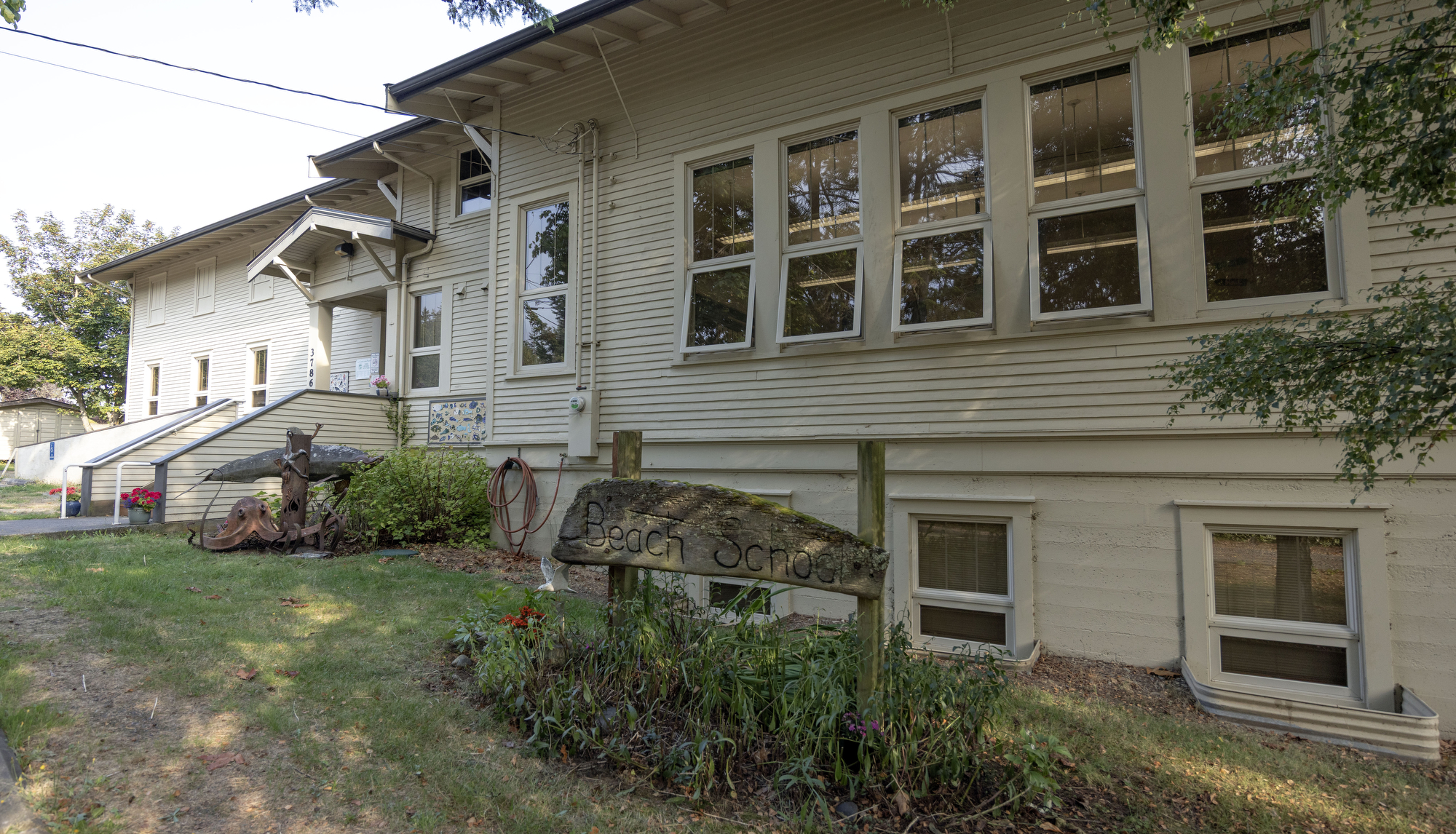
For context on the broader enrollment and funding pressures affecting Whatcom County schools this year, Lummi Island's Beach Elementary is facing a parallel crisis of its own, covered in recent local education coverage. The convergence of declining enrollment, state funding formulas, and community opposition is not unique to Bellingham, but the stakes here, two schools serving hundreds of children in established city neighborhoods, make the local debate one of the most consequential education decisions Whatcom County will see this school year.
Residents who want to weigh in can contact Bellingham Public Schools directly or attend the next scheduled school board meeting, where public comment periods allow community members to speak on record ahead of any board action.