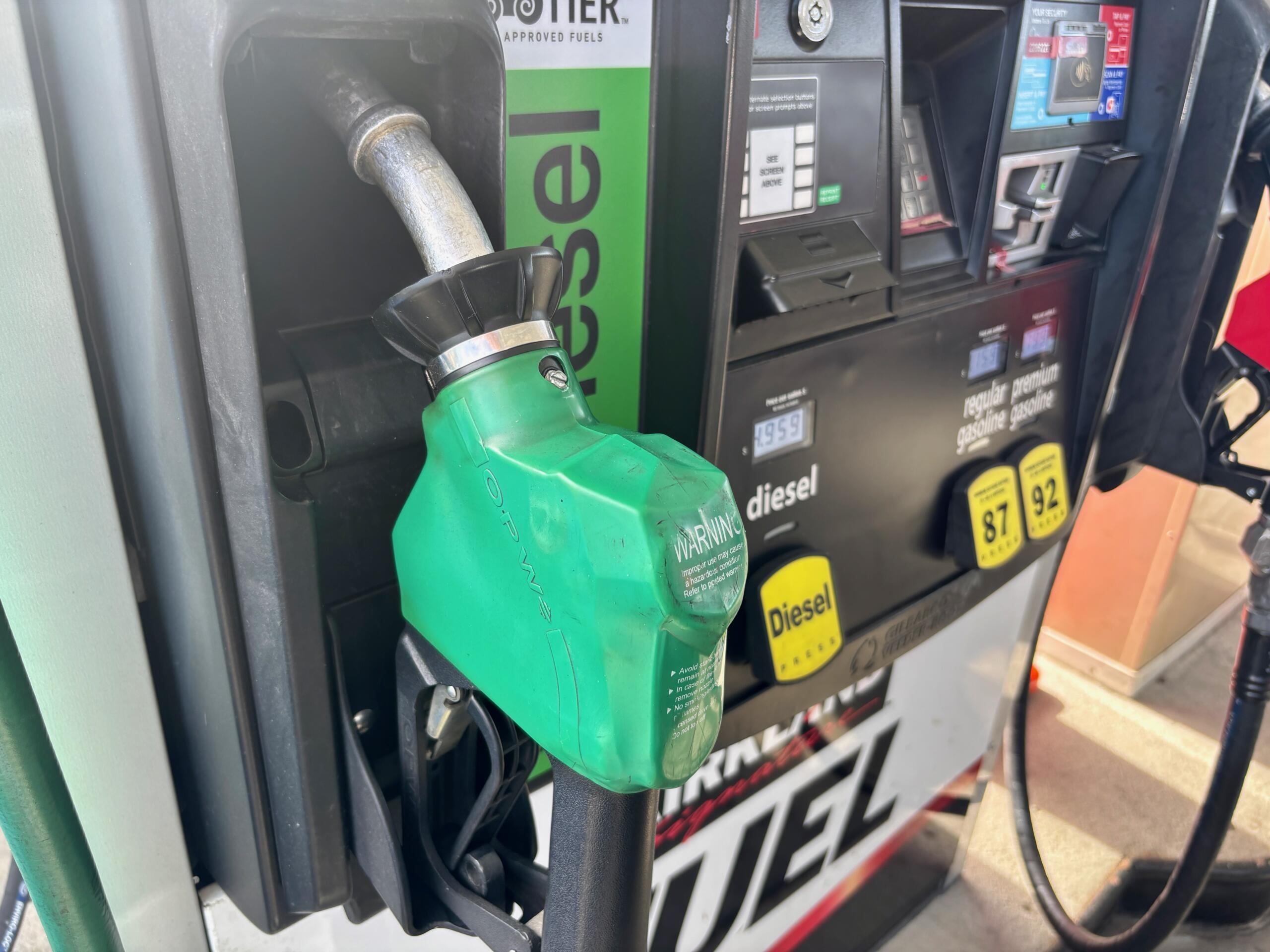
Diesel fuel prices in Whatcom County have hit an all-time record high, averaging $7.08 per gallon as of Monday, September 21, according to AAA data. That figure is up nearly 30 cents from last week and more than a dollar from a month ago, the steepest monthly jump recorded in county history. The record is part of a broader pattern, with diesel prices also setting new highs at the state and national level simultaneously.
What Is Driving the Price Spike
The price surge is tied primarily to events far outside Whatcom County's borders. GasBuddy analyst Patrick De Haan attributed the spike to continued strikes on Russian oil refineries, which have tightened the global supply of diesel and diesel feedstocks. Russia is a significant source of refined fuel products for international markets, and sustained disruptions to its refinery capacity have rippled through global commodity prices in ways that affect consumers thousands of miles from the conflict zones.
"Any broader directional change will depend heavily on overseas developments, and with new Houthi attacks and fresh U.S.-Iran escalations, the outlook remains deeply uncertain," De Haan said in a statement released Monday. The reference to Houthi attacks points to ongoing disruptions in the Red Sea shipping corridor, where attacks on commercial vessels have forced tanker operators to reroute around the Cape of Good Hope rather than through the Suez Canal, adding thousands of miles and significant fuel costs to each voyage and reducing the effective supply of fuel reaching Western markets.
The combination of Middle East instability affecting tanker shipping routes and Russian refinery disruptions has created a diesel supply squeeze that is showing up acutely at the pump across the country, but particularly in the Pacific Northwest. Whatcom County, which already sits in a region with some of Washington's higher fuel prices due to its distance from major refinery hubs and the relatively limited pipeline infrastructure serving northern Puget Sound, has felt the squeeze more sharply than areas closer to the major distribution terminals along the central Sound corridor.
For context, regular unleaded gasoline in Whatcom County has remained relatively stable over the past week at $5.40 per gallon, according to AAA. The divergence between diesel and regular gas prices reflects the fact that the global disruptions have hit middle distillate fuels, which include diesel and jet fuel, more severely than lighter gasoline blends. The refining and distribution chains for these different fuel types are distinct enough that a supply shock to one does not automatically translate to an equivalent shock to the other, which is why gasoline has remained relatively stable while diesel has surged.
What It Means for Whatcom County Businesses and Consumers
Diesel is the primary fuel for commercial trucking, farm equipment, fishing vessels, construction machinery, school buses, and public transit, making its price a foundational cost for much of the local economy. When diesel gets dramatically more expensive, the effects fan out across virtually every sector. Whatcom County's agricultural sector, which includes extensive dairy operations, raspberry and blueberry farms, and vegetable operations primarily in the Lynden, Ferndale, and Everson areas, runs heavily on diesel-powered equipment including tractors, combines, irrigation pumps, and transport trucks. A $1-per-gallon increase in diesel over a month translates directly into significantly higher operating costs for farm families who may already be operating on thin margins.
The Washington Trucking Association has warned publicly that rising diesel prices will push consumer prices higher across a wide range of goods. When it costs more to move freight from distribution centers to retail stores, those increased costs eventually show up in the price of groceries, building materials, restaurant supplies, and other goods transported by commercial vehicles. For Whatcom County residents who are already managing elevated food and housing costs, the diesel price spike adds another layer of inflationary pressure that is particularly difficult to avoid because it flows through so many categories of spending simultaneously.
The Washington Trucking Association represents carriers that collectively move the vast majority of goods consumed in Washington State. Their warning about consumer price pass-through tracks consistently with historical patterns from past diesel price spikes, including the surges seen in 2008 and 2022, which both produced measurable increases in the Consumer Price Index within weeks of hitting record levels at the pump.
What to Watch Going Forward
Diesel prices at this level create real pressure for small operators who cannot easily absorb higher fuel costs or pass them through quickly in their pricing structures. Independent truckers who own and operate their own vehicles, small farm operators running multiple pieces of diesel equipment, and fishing businesses based out of Bellingham's waterfront that fuel up between trips are among the most exposed. Larger fleets and agricultural cooperatives typically hedge fuel costs through forward contracts or fuel purchase agreements that lock in prices weeks or months in advance, but smaller independent operators often pay spot prices, meaning they feel every price movement immediately with no buffer.
Given the geopolitical factors driving the current price spike, a quick resolution is far from guaranteed. Analysts have noted that the situation in the Middle East and the ongoing conflict affecting Russian refinery capacity both carry significant and unpredictable uncertainty. Neither the Red Sea shipping disruptions nor the damage to Russian refining infrastructure is likely to be resolved quickly, and any escalation in either theater could push prices still higher. A sustained period of high diesel prices heading into fall would coincide with harvest season for Whatcom County agriculture and the beginning of the commercial fishing season's final push before winter, compounding cost pressures at one of the busiest and most financially consequential times of year for the county's primary industries.
Residents and business owners can track current local fuel prices through GasBuddy and AAA's gas price tracker, both of which update daily with county and city-level averages. For broader economic context on costs affecting Whatcom County residents and businesses, recent coverage of local workforce changes offers additional background on the economic pressures facing the region heading into fall 2026.