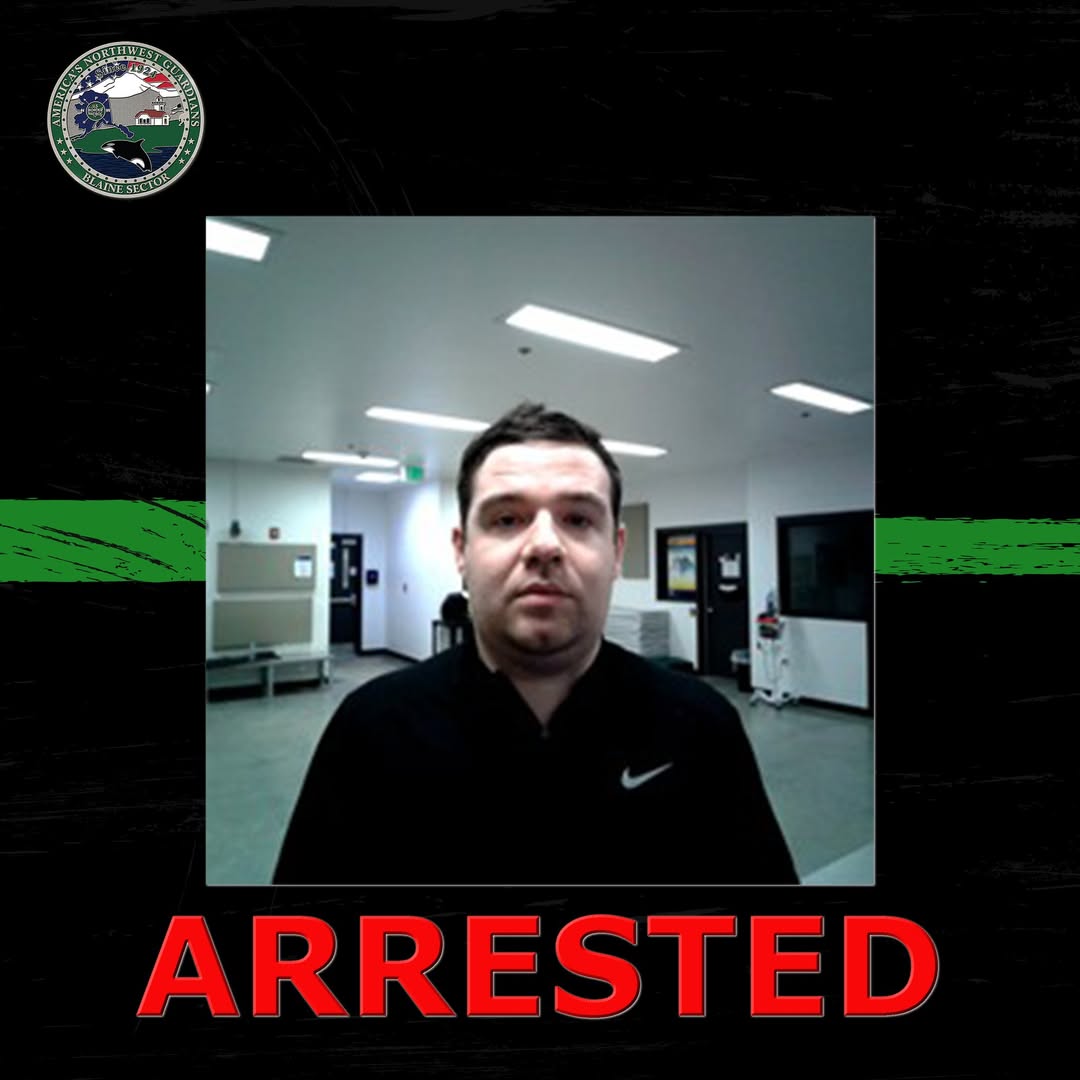
Agents from the Blaine Sector of U.S. Border Patrol arrested a United Kingdom citizen near Lynden, Washington, after he illegally crossed into the United States from Canada. The same operation also resulted in the arrest of 19 additional individuals, in coordination with partner agencies, from Guatemala, Venezuela, Brazil, and Mexico.
The Arrests Near Lynden
The incident took place in the area near Lynden, a small agricultural city in northern Whatcom County situated just south of the Canadian border. Lynden sits at the center of a stretch of rural farmland that has historically been a challenging zone for border security, with open fields and back roads running close to the international boundary.
Blaine Sector U.S. Border Patrol covers a large swath of the Pacific Northwest, including all of Washington State's northern border with British Columbia. The sector's area of responsibility stretches from the Pacific Coast to the Idaho border and includes Whatcom County, where the agency maintains a permanent presence at the Blaine and Lynden ports of entry as well as interior patrol operations.
Agents encountered the UK national after he entered the country through what is known as a between-ports crossing, meaning he did not present himself at an official port of entry. Entering the United States outside of a designated crossing point is a federal offense under Title 8 of the U.S. Code, regardless of the traveler's nationality or immigration status elsewhere.
Partner Agency Arrests and Nationalities
In addition to the UK national arrested by Blaine Agents directly, Border Patrol agents assisted partner agencies in arresting 19 more individuals. Those individuals were identified as citizens of Guatemala, Venezuela, Brazil, and Mexico. The Blaine Sector announcement did not specify which partner agencies were involved or the exact locations where all 19 were encountered, but such cooperation typically involves local law enforcement, Immigration and Customs Enforcement, and, in some cases, the Washington State Patrol.
The mix of nationalities in a single enforcement operation reflects a pattern seen across Blaine Sector activity throughout 2026. Individuals traveling from Central and South America frequently move through Canada before crossing into the United States through northern land borders, a trend that has increased pressure on northern border sectors that have historically seen lower volumes than the southern border.
The U.S. Customs and Border Protection agency publishes monthly encounter statistics that show Blaine Sector has experienced year-over-year increases in between-ports crossings, driven in part by tightening enforcement at the southern border pushing migration routes northward.
What Happens After Arrest
Individuals arrested for illegal entry in the Blaine Sector are typically processed at the sector's processing facility before being transferred to Immigration and Customs Enforcement custody or issued a notice to appear in immigration court. The outcome depends on the individual's nationality, prior immigration history, and whether any criminal history warrants additional federal charges beyond the immigration violation.
For the UK national arrested near Lynden, his situation differs somewhat from Central and South American nationals in that he came from a country with a visa waiver arrangement with the United States, meaning he may have been eligible to enter legally through an official port. Between-ports entry from a visa waiver country still constitutes an illegal crossing and can result in permanent bars to future visa-waiver travel.
Whatcom County residents who observe suspicious activity near the border are encouraged to contact the Blaine Sector tip line or call 911 for any immediate public safety concern. Border Patrol regularly conducts interior enforcement operations in Whatcom County and relies on community awareness as part of its broader detection strategy. For a look at a related prior enforcement action in the same area, coverage of earlier Blaine Sector arrests is available here on this page.