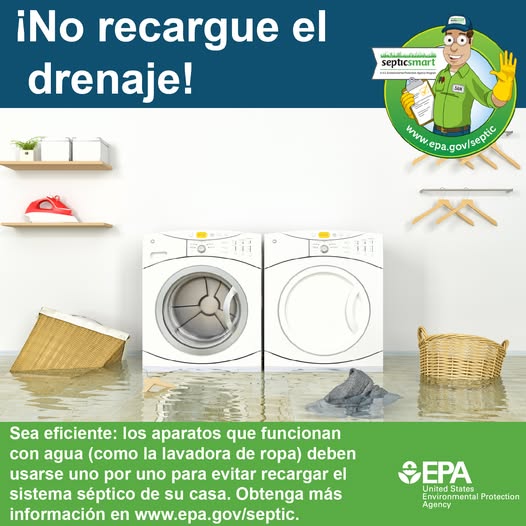
Whatcom County Public Works is reminding residents with septic systems to use water efficiently and stagger the use of water-based appliances, particularly as autumn rainfall patterns return to the region. Running too many water-heavy appliances at once, such as a washing machine, dishwasher, and shower simultaneously, can overwhelm a home's septic system and cause sewage to back up into the house.
Why Septic System Health Matters in Whatcom County
A significant portion of rural Whatcom County properties, including homes near Lynden, Everson, Sumas, Birch Bay, and along the Nooksack River corridor, rely on on-site septic systems rather than municipal sewer connections. Unlike city residents who connect to centralized wastewater treatment, homeowners with septic systems are personally responsible for maintaining the underground tanks and drainfields that process household wastewater.
When a septic system is overloaded with water, the drainfield cannot absorb liquid fast enough. The result can be a backup into sinks, tubs, or toilets, or a surfacing of sewage in the yard. Both outcomes are costly and create public health hazards. Repairs to a damaged drainfield can run from several thousand dollars to well over $20,000 depending on site conditions and the extent of the damage.
The U.S. Environmental Protection Agency's SepticSmart program provides guidance on best practices for homeowners, including the staggered-use advice Whatcom County is now highlighting for local residents.
Simple Steps to Protect Your System
The core recommendation is straightforward: spread water use throughout the day rather than concentrating it. Running a full load of laundry in the morning, waiting several hours before running the dishwasher, and taking showers at different times of day can dramatically reduce the load placed on the system at any given moment.
Additional practices recommended by the EPA and Whatcom County include fixing any leaky faucets or running toilets promptly, since a slow leak can add hundreds of gallons per day to the system's load. Households should also avoid flushing anything other than toilet paper, and should never pour fats, grease, or harsh chemical cleaners down the drain, as these can damage the bacterial balance inside the septic tank that breaks down waste.
Water-efficient fixtures also make a meaningful difference. Low-flow showerheads, high-efficiency washing machines, and dual-flush toilets can reduce overall household water consumption by 20 to 30 percent, giving the septic drainfield more time to recover between uses.
Whatcom County Public Works manages road infrastructure and utilities across the county, and coordinates with state and federal programs to promote responsible land and water stewardship among rural residents. The Whatcom County Planning and Development Services office handles septic system permitting and can connect homeowners with inspectors and licensed designers for system evaluations or upgrades.
Seasonal Considerations for Fall and Winter
Autumn and winter bring increased pressure on septic systems in Whatcom County. Heavier rainfall raises groundwater tables, which can reduce the drainfield's ability to absorb water even under normal household use. Homes on lots with high seasonal water tables or clay-heavy soils are especially vulnerable during wet months.
County public health officials recommend that homeowners have their septic tanks pumped every three to five years as a baseline, with more frequent inspections if the household is large or the system is older. Many Whatcom County systems were installed decades ago and may be approaching the end of their service life. An inspection now, before the rainy season fully sets in, can identify problems while they are still manageable.
Residents can also sign up for Whatcom County public works notifications to stay informed about road, utility, and environmental advisories throughout the year. The county's official website provides links to local environmental programs and contact information for the Public Works Maintenance and Operations team at 360-778-6400.
For bilingual residents, the county and EPA provide Spanish-language resources on septic care. The EPA's SepticSmart materials are available in Spanish at epa.gov/septic, and local health staff can assist Spanish-speaking callers through Whatcom County Health and Community Services.
For more background on local water and utility infrastructure in Whatcom County, including ongoing pipeline replacement projects affecting rural roads this fall, recent coverage of local environmental cleanup efforts offers useful context on the county's approach to long-term environmental stewardship.