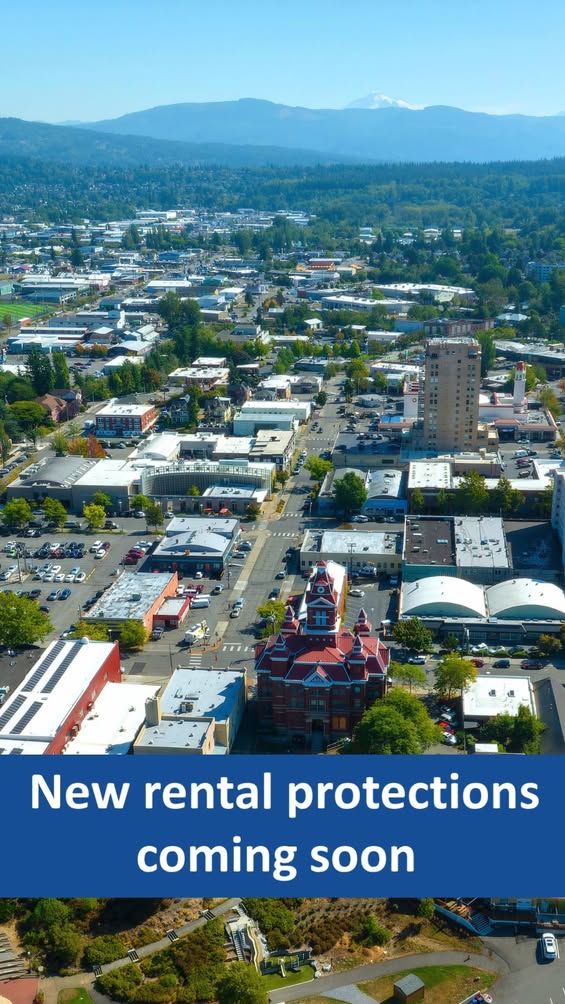
Renters and landlords in Bellingham will see significant changes to local housing rules starting September 7, when a package of new protections approved by the Bellingham City Council goes into effect. The changes include stronger rental safety inspection requirements, enhanced enforcement tools, and clearer rules around rent increase notices.
What the New Rules Cover
The Bellingham City Council recently voted to approve updates to the city's rental housing code covering two main areas. The first set of changes is designed to improve the quality and consistency of rental safety inspections. The city's inspection program has existed for years, but the updated rules are intended to make inspections more thorough and to give the city more effective options when landlords fail to address safety problems identified during inspections.
Rental safety inspections in Bellingham check for habitability conditions including working smoke and carbon monoxide detectors, adequate heating, functional plumbing, structural integrity, and the absence of major hazards that could harm tenants. The revised rules are meant to strengthen what inspectors look at and what the city can do when a property does not pass.
The second major change addresses rent increase notice requirements. Under the updated rules, landlords must provide 120 days' notice before implementing a rent increase. The council's action clarifies the requirements around that notice period, which had been subject to some ambiguity in how it was applied. The 120-day notice requirement gives tenants significantly more time to plan for a rent increase or find alternative housing compared to the 20-day minimum required under Washington state law.
Why These Changes Matter for Bellingham Renters
Bellingham has a large renter population driven in part by the presence of Western Washington University and Whatcom Community College, which together bring thousands of students to the rental market each year. The city also has a significant workforce housing demand from year-round residents who rent rather than own.
Rental housing conditions and affordability have been persistent issues in Bellingham. The city's housing market has seen rent increases over recent years, and advocates for low-income tenants have long argued that state law alone does not provide adequate protection for renters facing unsafe conditions or rapid rent hikes. Local municipalities in Washington can adopt renter protections that go beyond state minimums as long as they do not conflict with state law, and Bellingham has used that authority to build a more comprehensive local framework.
The 120-day rent increase notice requirement is one of the more substantial local protections in place. For a renter living paycheck to paycheck, the difference between 20 days' notice and 120 days' notice is the difference between a scramble and a manageable transition. The clarified requirements under the new rules are intended to ensure landlords cannot work around the notice period through technical arguments about how the clock starts.
For Landlords: What Changes Starting September 7
Property owners who rent housing in Bellingham should review the updated requirements with the city's planning and community development office before September 7. The new inspection standards and enforcement provisions mean that deficiencies identified during inspections may face faster or more consequential follow-up than under the prior rules.
The City of Bellingham's planning and permitting office administers the rental registration and inspection program and is the right contact for landlords who have specific questions about how the new rules apply to their properties. The city's website also maintains resources explaining tenant and landlord rights and responsibilities under local code.
Landlords who are planning rent increases after September 7 should ensure their notice letters are sent at least 120 days in advance and that the notices clearly meet the updated content and delivery requirements. The clarified rules are designed to reduce disputes about whether proper notice was given, which benefits compliant landlords as well as tenants.
The Broader Context of Bellingham Housing Policy
The rental protection updates come alongside other recent housing policy activity in Bellingham. The city has been working on affordability incentives, zoning changes, and a range of initiatives aimed at addressing a housing market that has become increasingly challenging for lower- and middle-income residents. The council's unanimous approval of land use permit fee increases this week, the first since 2007, reflects the same broader effort to modernize and fund city planning and development services.
Residents with questions about the new rental protections or who want to report unsafe conditions at a rental property can contact the city's housing and code enforcement staff through the main city website. The changes take effect September 7, giving landlords and tenants a short window to prepare before the new rules are in place.