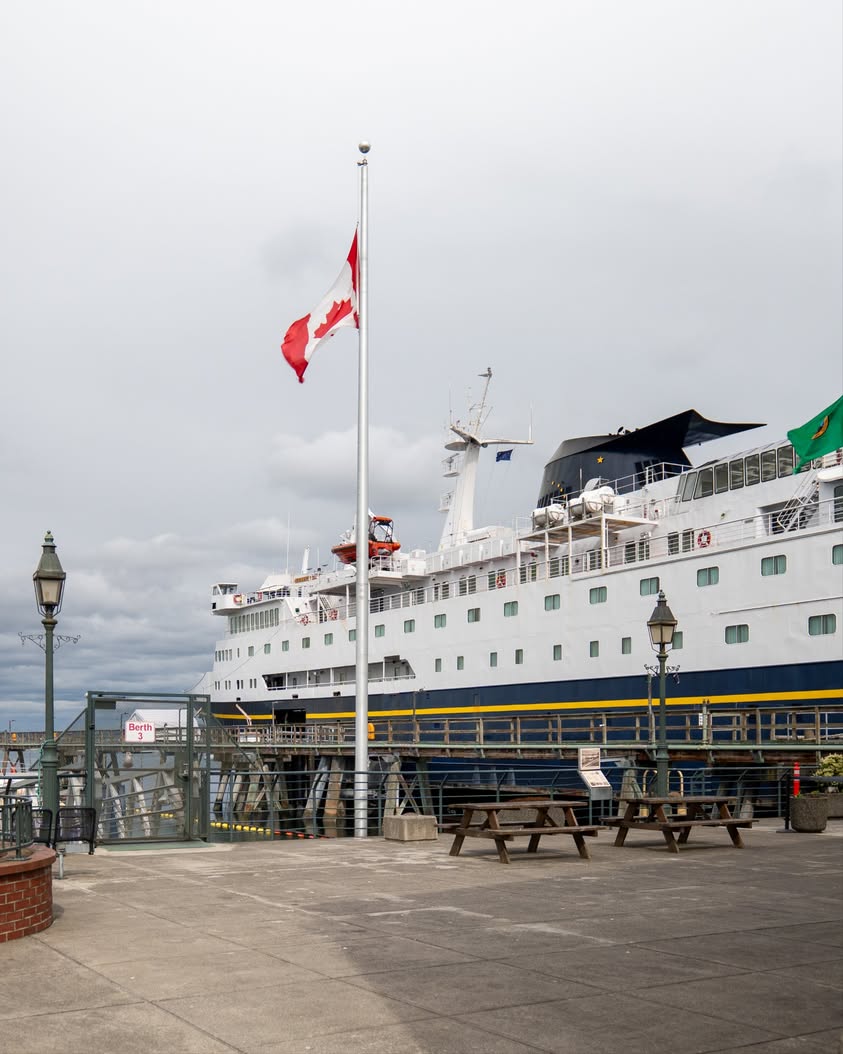
Every Friday morning, the Alaska Marine Highway System ferry arrives at the Port of Bellingham's cruise terminal in Fairhaven, drops off travelers who just completed a voyage through Southeast Alaska's Inside Passage, then loads a new group of passengers and sets sail again that evening. The cycle has been running since 1989, making Bellingham the southernmost stop on one of the longest public ferry systems in the world.
What the Alaska Marine Highway Is and Why Bellingham Is the Gateway
The Alaska Marine Highway System connects more than 30 communities across coastal Alaska, from Bellingham north through Ketchikan, Wrangell, Petersburg, Sitka, Juneau, Haines, and beyond. For many of those communities, the ferry is the only surface transportation link to the outside world. There are no roads connecting much of Southeast Alaska to the continental highway network, making the marine highway a genuine lifeline rather than simply a scenic option.
Bellingham became the system's southern terminus in 1989 after the state selected it as the most practical lower-48 connection point. The city's deep-water port, its rail and highway connections, and its geographic position at the northern end of Puget Sound all made it a logical choice. For travelers, Bellingham offers an affordable, unhurried alternative to flying into Alaska, with the ferry journey itself becoming part of the experience rather than just transit between destinations.
The voyage from Bellingham to Ketchikan, the first Alaskan port of call, takes roughly 38 hours aboard the ferry. From there, passengers can continue north on connecting vessels. The full journey to Juneau from Bellingham runs approximately three and a half days. Travelers can book private cabins, reserve space for vehicles, and bring bicycles, kayaks, and other gear that would be prohibitively expensive or impossible to bring on an airplane.
The Fairhaven Terminal Experience
The Port of Bellingham cruise terminal sits in the heart of Fairhaven Village, the historic district at Bellingham's southern end. The neighborhood is walkable, filled with independent shops, cafes, and restaurants, and offers easy access to the South Bay Trail that runs north along the waterfront toward downtown Bellingham.
Travelers arriving from Alaska on Friday mornings find themselves in one of the most pleasant disembarkation points of any ferry route in the country. Port Fairhaven Fish N Chips operates directly inside the terminal building, so arriving passengers can get a meal without even leaving the dock area. The surrounding Fairhaven Village blocks offer additional dining options, from the Colophon Cafe inside Village Books to coffee shops and bakeries within easy walking distance.
For those departing to Alaska, Friday evenings at the Fairhaven terminal have a particular atmosphere. Passengers loading vehicles, securing bicycles, and settling into a multi-day voyage create a scene that mixes the logistical hustle of a port departure with the quiet anticipation of a journey into remote country. The Schooner Zodiac, which sails out of Squalicum Harbor, and other historic vessels that call Bellingham home add to the city's maritime character that the Alaska ferry embodies.
Planning a Trip on the Alaska Marine Highway
The Alaska Marine Highway is a state-operated public transportation system, which means fares are more accessible than comparable private cruise options. Foot passengers can travel without a vehicle reservation, though cabin berths and vehicle space should be booked well in advance, especially for summer and fall sailings when demand is highest.
Bellingham's visitor information resources, including Bellingham Whatcom County Tourism, provide guidance for visitors planning to use the ferry as part of a broader Whatcom County trip. Some travelers build itineraries that combine a few days exploring Bellingham's trails, waterfront, and food scene with an Alaska ferry voyage, using the city as both an arrival and departure point.
For locals, the Friday ferry departures are a fixture of the Fairhaven waterfront calendar. Watching the vessel load from the pier or from the trail along the bay has become an informal community ritual for residents who live in the area. The ferry's horn as it leaves the harbor is one of those sounds that signals the rhythm of life in a maritime community.
Full schedule information, fare tables, and online reservations for the Alaska Marine Highway System are available directly through the Alaska Department of Transportation's ferry booking portal. Reservations for summer sailings frequently fill months in advance, so anyone considering the journey before the end of the season should check availability soon.