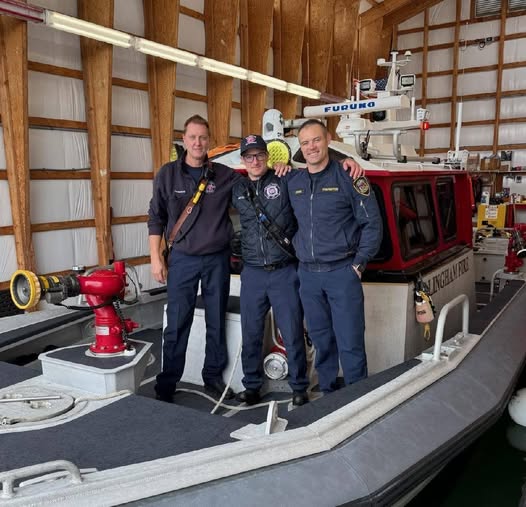
Bellingham Fire Department has a new certified boat operator, and he came to the job with more saltwater experience than most. Charlie McCullough officially earned his boat certification this week after beginning the process back in January, capping months of structured training with a professional background that few candidates could match.
From Alaska's Waters to Bellingham Bay
Before joining the Bellingham Fire Department, McCullough owned his own boat and spent years commercially fishing for salmon in Alaska. He grew up in Southeast Alaska and built most of his fishing career there, with additional seasons working along the Alaska Peninsula and out toward the Aleutian Islands. That arc of experience, from the protected channels of the Inside Passage to some of the most demanding open-water conditions on the Pacific, gave him a foundation that went well beyond what any classroom or pool exercise could replicate.
Still, fire department boat certification is its own discipline. It covers vessel handling in rescue scenarios, swift-water awareness, patient extraction from the water, coordination with other emergency responders, and the specific protocols that govern how a fire agency deploys marine assets. McCullough worked through that process over roughly eight months before meeting the department's standards.
Why Marine Readiness Matters in Whatcom County
Bellingham sits on the eastern shore of Bellingham Bay, a body of water that sees heavy recreational use throughout the warmer months and year-round commercial traffic through the Port of Bellingham. The bay connects to the broader San Juan Islands archipelago and to shipping lanes running north toward the Canadian border. That geography means water-based emergencies are a recurring part of the department's call volume, whether from kayakers in distress near Boulevard Park, vessel trouble off Fairhaven, or swimmers caught in unexpected currents near Taylor Dock.
The Bellingham Fire Department maintains marine response capability as part of its broader emergency services mission. Certified boat operators allow the department to respond directly on the water rather than relying solely on Coast Guard assets or other maritime agencies when minutes count. McCullough's certification adds to that bench of qualified responders.
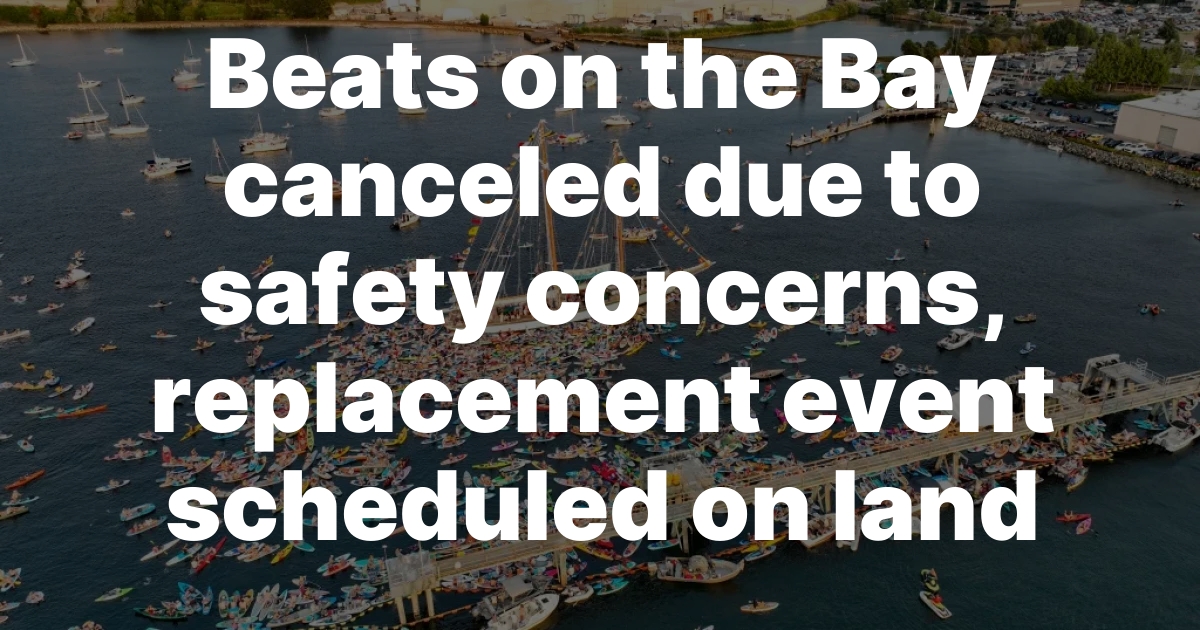
Water safety has been on the minds of many local organizations this summer. Whatcom County's Emergency Management office has emphasized summer water safety in its recent daily briefings, noting that Washington waters can be cold enough to impair muscle function even when air temperatures feel warm. Separately, the Community Boating Center's popular Beats on the Bay concert series drew enough crowds this summer that the nonprofit cited safety concerns, including floaters without life jackets and watercraft unsuited for Bellingham Bay conditions, as reasons to move its final 2026 event onshore. The incident underscored just how quickly recreational gatherings on the water can create demand for trained marine responders.
The Training Path to Certification
Boat certification for a municipal fire department typically involves both written and practical components. Candidates must demonstrate proficiency in vessel operation under controlled conditions before they are evaluated on rescue scenarios. For a department that may deploy into open bay waters, tidal flats, or the rivers and lakes of eastern Whatcom County, operators also need familiarity with varying current patterns, weather shifts off the Cascades, and the specific limitations of department vessels.
McCullough's commercial fishing background meant he arrived with an intuitive grasp of reading water, managing vessel trim in variable conditions, and making quick decisions when situations change unexpectedly. Commercial salmon fishing, particularly in Alaskan waters, involves extended periods at sea, exposure to rapidly shifting weather, and the kind of repetitive, high-stakes boat handling that builds genuine competence. The Alaska Peninsula and Aleutian Islands, where he also spent time fishing, are among the most meteorologically demanding marine environments in the world.
That practical experience does not replace formal fire department training, but it provides a durable base on which certification-level skills can be built more reliably. The City of Bellingham fire department has grown its marine capabilities in recent years, and McCullough joins a roster of operators who collectively extend the department's reach onto the water.
What This Means for Local Emergency Response
Boat-certified firefighters represent a specialized category within a department's overall staffing picture. Not every firefighter pursues marine certification, which means each newly certified operator meaningfully expands coverage. In a county where lakes, rivers, the bay, and coastal waters all present potential rescue scenarios, having more personnel who can safely operate department vessels gives incident commanders more options when calls come in.
Whatcom County also benefits from coordination between multiple agencies with marine capability. The U.S. Coast Guard Sector Puget Sound maintains presence in the region and has worked alongside Bellingham emergency services on joint training. County-level fire districts, the Port of Bellingham, and Washington State Ferries all contribute to the web of responders who can act on the water. A certified operator at Bellingham Fire adds one more link to that chain.
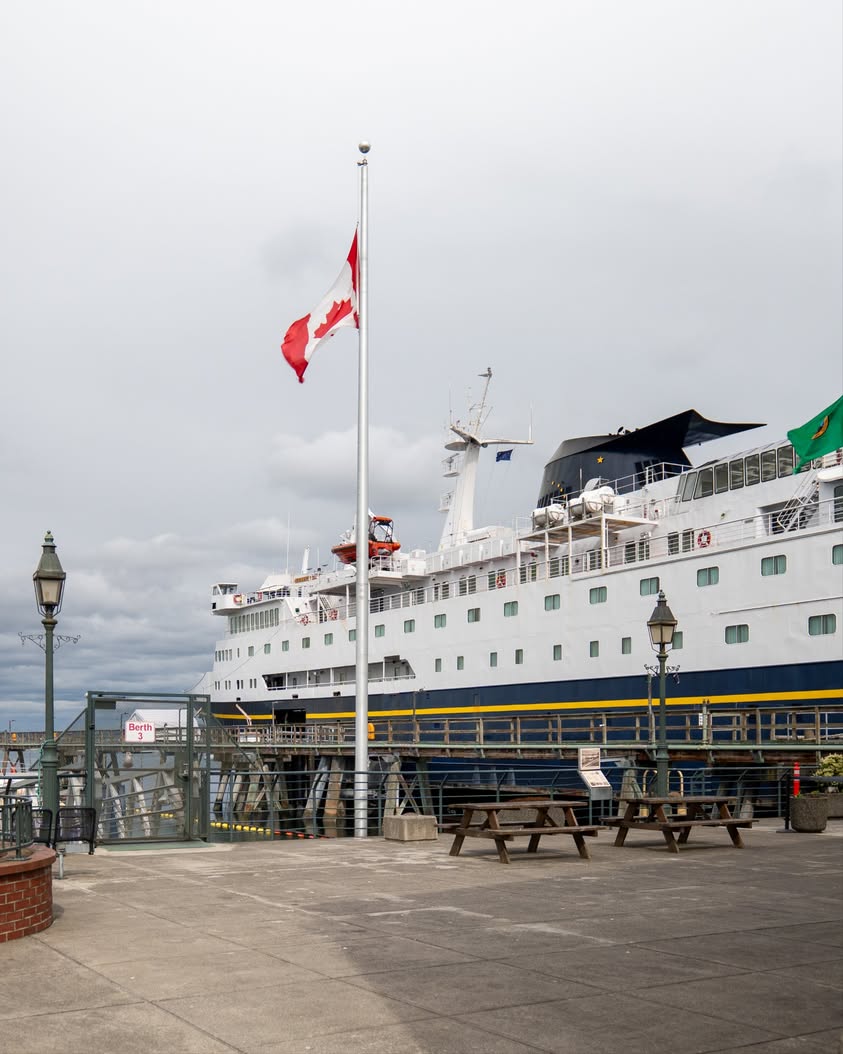
McCullough's certification comes at a time of year when marine incident rates are typically at their peak. August and early September bring high recreational boat traffic to Bellingham Bay, with paddlers, kayakers, motorized craft, and the Alaska Marine Highway ferry all sharing the same water. The ferry terminal at Fairhaven sees weekly sailings, and visitors arriving from or departing to Alaska add to the mix of vessels the department may need to respond around.
Residents who want to stay current on Bellingham Fire Department milestones and staffing updates can follow department announcements through the city's official channels. The department periodically recognizes personnel achievements as part of its public communications, reflecting a broader effort to keep the community informed about the people responding to emergencies on their behalf.
Congratulations to Charlie McCullough on a well-earned certification.