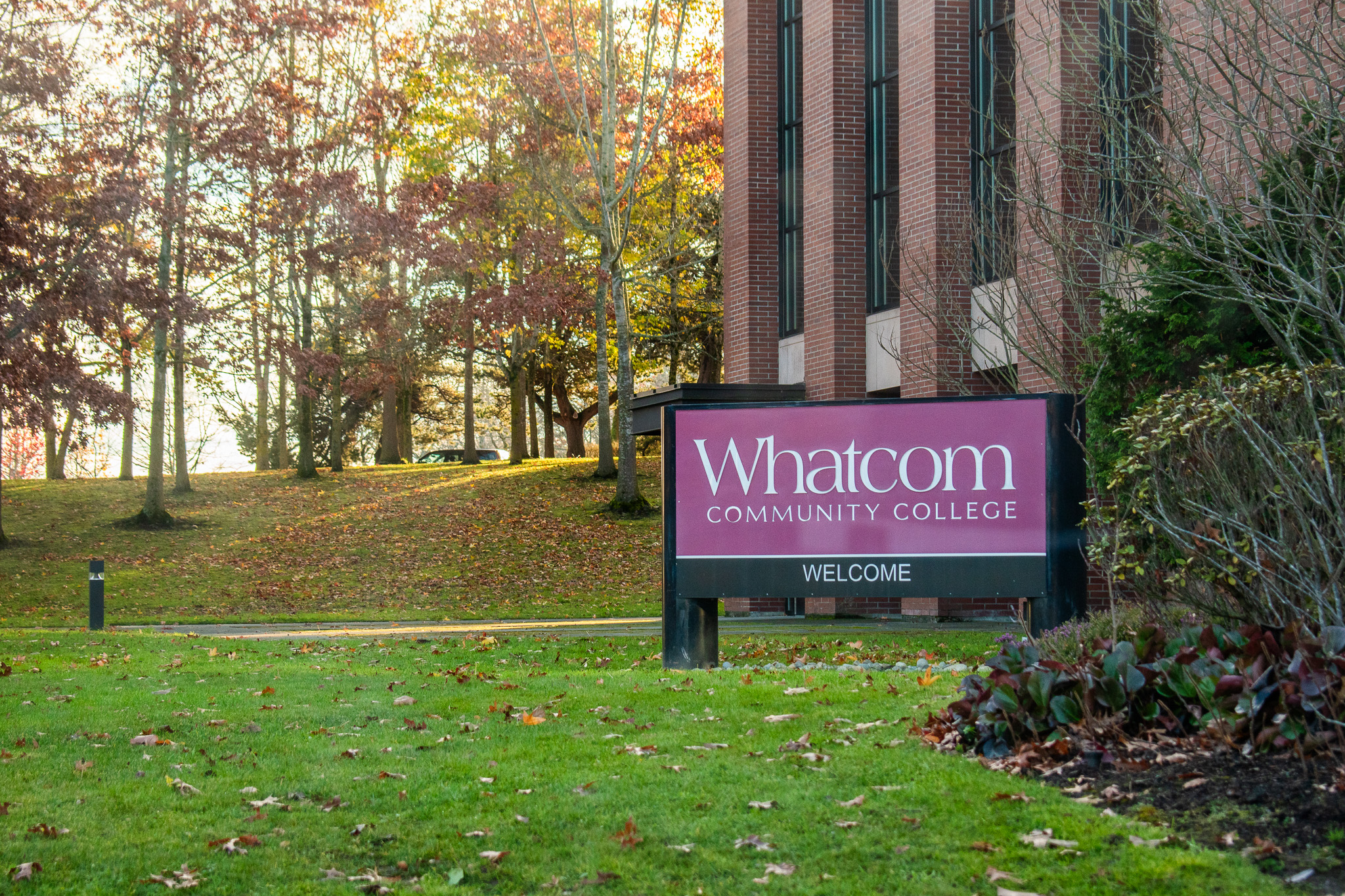
A 26-year-old Bellingham man is in custody after making threats to shoot people at Whatcom Community College, police said Friday. The threats were first reported by an out-of-state caller who encountered the suspect in a social media chatroom, triggering a police response that included an aerial search of the WCC campus before the suspect was located and arrested.
How the Threats Came to Light
Bellingham Police Lt. Claudia Murphy said officers were alerted to the situation early Thursday morning, August 27, after an out-of-state caller contacted police to report what they had witnessed in an online chatroom. The caller said they were in a conversation with the suspect when the man became upset over something that was said during the exchange. The precise nature of the triggering comment was not disclosed in the initial police report, but whatever was said caused the suspect to escalate rapidly from general agitation to an explicit statement of violent intent.
According to Lt. Murphy, the suspect escalated quickly from general anger to specific threats, making comments about wanting to shoot people and then naming Whatcom Community College as his intended target. The progression from vague anger to a named institution is precisely the kind of specificity that law enforcement treats as a serious indicator of potential violence rather than empty venting. The out-of-state caller took the threat seriously and contacted Bellingham police directly, providing information about the suspect that allowed officers to identify him. The fact that the caller reached out to local police from outside Washington State rather than simply closing the browser tab reflects a level of civic responsibility that investigators would likely credit as a key reason the situation was resolved without anyone being harmed.
Police conducted an aerial search of the WCC campus to determine whether the suspect was present and potentially armed. That type of search, typically involving a department drone or helicopter unit, allows officers to quickly scan large open areas, parking lots, and building perimeters without requiring ground teams to move through every corner of campus on foot. The search did not locate the suspect on campus. Officers continued working to find the suspect using the identifying information provided by the caller and eventually located and took him into custody on F Street in Bellingham. Lt. Murphy did not specify the block or neighborhood on F Street where the arrest occurred, and no details about whether the arrest involved any resistance or additional safety precautions were included in the initial report.
What Happens Next
As of the report Friday morning, the suspect remained in custody. Lt. Murphy said that Whatcom Community College is aware of the threats and is working to restrict the suspect's access to campus. That typically involves a formal exclusion or trespass notice that prohibits the individual from being on college property, either as a condition of any release from custody or as part of the institution's independent administrative response to the threat. Colleges in Washington State have the authority to issue such exclusions under their own policies and can pursue civil remedies if the exclusion order is violated, independent of whatever criminal charges the suspect may face.
Making criminal threats in Washington State is a gross misdemeanor or felony depending on the specific circumstances and wording of the threat. Under RCW 9A.46.020, harassment charges can apply when a person knowingly threatens to cause bodily injury and the threat places the recipient in reasonable fear that the threat will be carried out. When a threat is directed at a specific institution or a group of people and is communicated in a way that a reasonable person would interpret as serious, prosecutors can also consider charging under the state's malicious harassment statute. The suspect's exact charges were not specified in the initial police report released Friday morning, but the combination of a named target, a specific method of violence, and communication to a third party who found the threat credible enough to call police generally gives prosecutors a solid foundation to work from.
WCC is not a small campus to search or secure. Whatcom Community College serves thousands of students each semester across its campus near Loomis Trail Road in northwest Bellingham. The college offers two-year degrees, professional certificates, and workforce training programs, making it a hub of activity throughout the academic year and into the summer and fall terms. The college has its own campus security team and works with Bellingham Police on serious threat situations. The aerial search component of Thursday's response reflects how seriously the department took the threat, committing significant departmental resources to verify whether the suspect was present and in a position to act on his stated intentions before ground officers could locate and detain him.
Context: Threats Against Educational Institutions in Whatcom County
Threats against schools and colleges have become an unfortunately recurring challenge for law enforcement agencies across the country, and Whatcom County is not immune. The problem has intensified in the years since social media platforms and online chatrooms made it trivially easy to broadcast threatening statements to large audiences, often with the mistaken belief that online speech exists in a consequence-free zone outside the reach of law enforcement. Washington State law does not treat online threats differently from threats made in person or over the phone, and federal statute similarly applies to threats transmitted across state lines using electronic communications.
Bellingham Police, the Whatcom County Sheriff's Office, and campus security agencies at WCC, Western Washington University, and Bellingham Technical College all maintain protocols for evaluating and responding to threat situations. Those protocols typically involve a threat assessment process in which investigators consider the specificity of the threat, the subject's history of behavior, any access to weapons, and the context in which the threat was made. A threat naming a specific campus, as opposed to a vague statement of general anger, scores higher on most threat assessment frameworks and calls for a faster and more resource-intensive response, which is exactly what Bellingham Police delivered on Thursday morning.
The WCC case is notable because the initial report came from someone who was not locally present at all. An out-of-state person monitoring a chatroom recognized the threat, took it seriously, and called Bellingham police. That chain of events, from an online conversation to a police response to an arrest, illustrates how digital communications have changed the threat landscape in two important and related ways. First, threats that might once have stayed within a small local social circle now cross geographic boundaries instantly, reaching audiences far from the intended target. Second, and equally significant, the people who witness those threats can also act from a distance. A concerned bystander sitting hundreds or thousands of miles away can still pick up the phone, call local authorities, and set a protective response in motion. In this case, that is exactly what happened, and the outcome was an arrest before any violence occurred.
Bellingham Police encourage the public to report concerning statements or online behavior that could indicate someone is planning violence. Tips can be submitted to the department's non-emergency line at 360-778-8800. The college's safety tipline is also available to students, staff, and community members who want to report a concern about someone's behavior or statements related to WCC or any Bellingham campus. Law enforcement and campus safety professionals consistently emphasize that early reporting is one of the most effective tools available for preventing targeted violence, and the Thursday arrest at WCC stands as a concrete example of that principle working as intended.
The suspect's case will move through the Whatcom County court system in the coming days. No arraignment date was announced in the initial police report, and the specific charges the Whatcom County Prosecutor's Office intends to file had not been publicly confirmed as of Friday morning. Residents who want updates on the case as it proceeds can monitor Whatcom County court records through the county's public access portal or follow Bellingham Police updates through their official channels. WCC has not announced any changes to campus operations or class schedules in connection with the incident, which is consistent with the fact that the suspect was taken into custody before any harm occurred.