If you are planning a home addition, a new development project, or any work in Bellingham that requires a land use permit, your costs are about to go up. The Bellingham City Council voted unanimously on August 24 to increase land use permit fees by approximately 37 percent, effective October 1. It is the first fee adjustment the city has made since 2007, and the increase is explicitly designed to catch up with nearly two decades of inflation.
Why the Fees Are Going Up Now
The city's planning department has been running on a fee schedule that has not changed in 19 years. In that time, the cost of providing planning and permitting services, staff salaries, technology, facilities, and professional development, has risen substantially. The result is that the revenue generated by permit fees no longer covers the actual cost of the services those fees are meant to fund.
According to the city, the 37 percent increase is meant to account for the cumulative inflation that occurred between 2007 and now. The Consumer Price Index rose significantly over that period, particularly following pandemic-era inflation, and the city's internal cost structure reflects that reality even if its fee schedule did not.
Council member Lisa Anderson addressed the reasoning at the August 24 meeting: "The amendment was kind of, I feel like, a placeholder to ensure that, should something happen and we don't get a timely study and recommendations coming forward, at least we'd get a report back in the near future." The council's unanimous vote indicates there was broad agreement that the adjustment was necessary and overdue.
What the New Fee Structure Includes
Beyond the base 37 percent increase, the council approved two additional components of the updated fee schedule. First, the city is adding a 5 percent technology fee on top of the revised permit fees. That technology surcharge is earmarked to help fund upgrades to the city's permit tracking system, inspection tablets, and other technology infrastructure used by the planning and community development department. Permit software and digital workflow tools have become standard in municipal planning operations, and Bellingham's system has needed investment.
Second, the city is instituting an automatic annual adjustment mechanism starting January 1, 2028. Each year, fees will be updated to reflect the latest change in the Consumer Price Index. That means the fee schedule will no longer require a council vote every time costs increase; instead, it will keep pace with inflation automatically, preventing another two-decade gap from developing.
The approved resolution also includes a requirement that the council formally review the fee schedule before the first half of 2032. Part of the revenue from the increased fees will fund a market study that will inform that future review, ensuring the council has current data on whether fee levels remain appropriate relative to actual service costs.
Who Pays These Fees and What It Means
Land use permit fees in Bellingham cover a wide range of applications. Homeowners seeking permits for additions, detached accessory dwelling units, or significant remodels pay these fees. Developers applying for subdivisions, variances, conditional use permits, or environmental review pay them too. Commercial property owners, contractors, and anyone navigating the city's development review process will see higher costs starting October 1.
The city estimates the fee hikes will generate approximately $200,000 in additional annual revenue. That is a relatively modest sum in the context of the city budget, but it reflects the permit volume rather than large individual fees. Planning permit fees tend to be in the hundreds to low thousands of dollars per application, meaning the $200,000 estimate represents meaningful activity across many individual applicants.
For context, permit fees are one cost among many for development projects. Land costs, construction materials, labor, financing, and other regulatory costs typically dwarf permit fees in a project's overall budget. A 37 percent increase on a $1,000 permit fee adds $370 to a project, which matters at the margin but is unlikely to be the deciding factor for most development decisions.
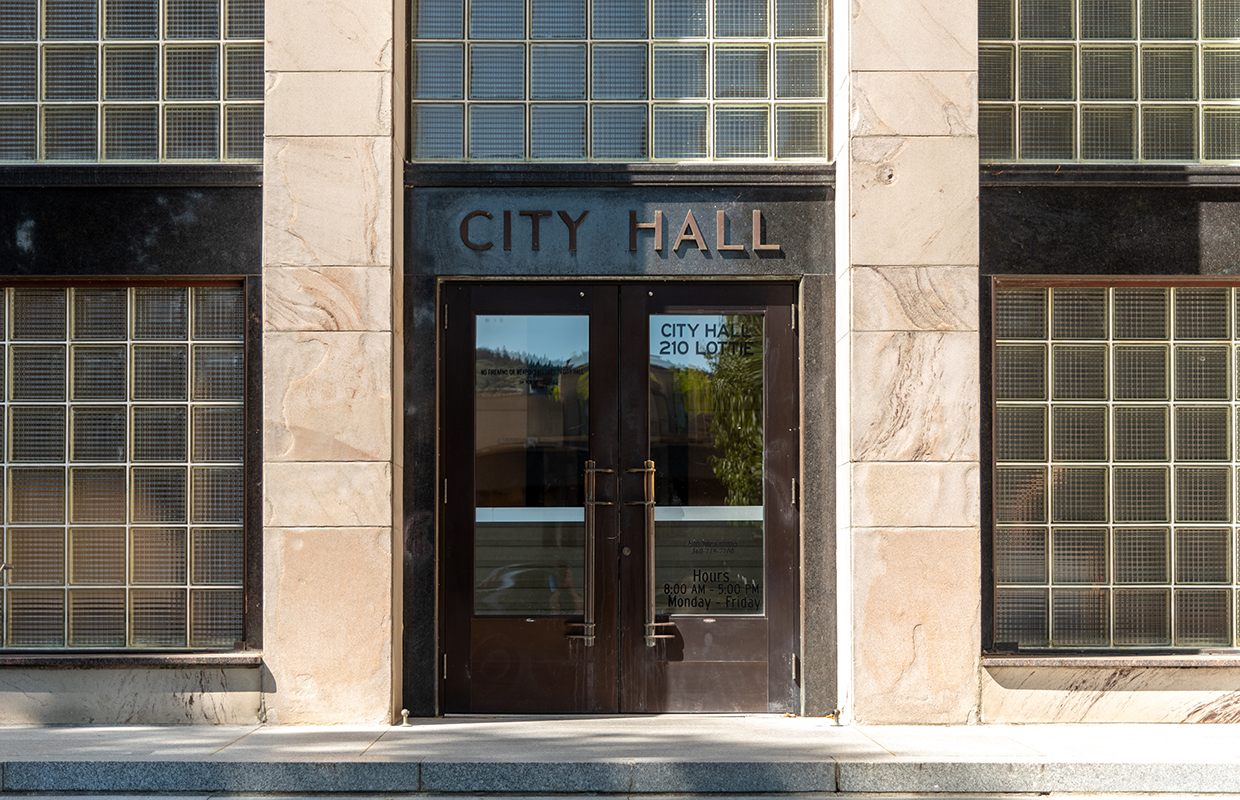
The City of Bellingham's planning and permitting office will administer the new fee schedule starting October 1. Applicants who have already submitted permit applications or who submit before October 1 should confirm with the city whether the old or new fee schedule applies to their project. The city's planning counter at City Hall on Lottie Street handles permit inquiries and can clarify transition rules for projects in progress.
The Broader Context: Bellingham's Development Pipeline
Bellingham has been navigating significant development pressure over the past several years. Housing construction, commercial projects along major corridors, and ongoing redevelopment of the downtown and waterfront areas have kept the planning department's workload high. The city has also been working through a Comprehensive Plan update and various zoning amendments that affect what can be built where across the city.
The City of Bellingham has also been managing new rental inspection requirements and other housing policy changes that take effect September 7, alongside the permit fee changes taking effect October 1. Together, these represent a cluster of policy updates affecting how housing is built, rented, and regulated in the city going into fall 2026.
Applicants, contractors, and property owners who want to understand how the new fee schedule applies to their specific projects should contact the city's planning and permitting office directly, or review the updated fee schedule on the city's planning services page when it is published before October 1.