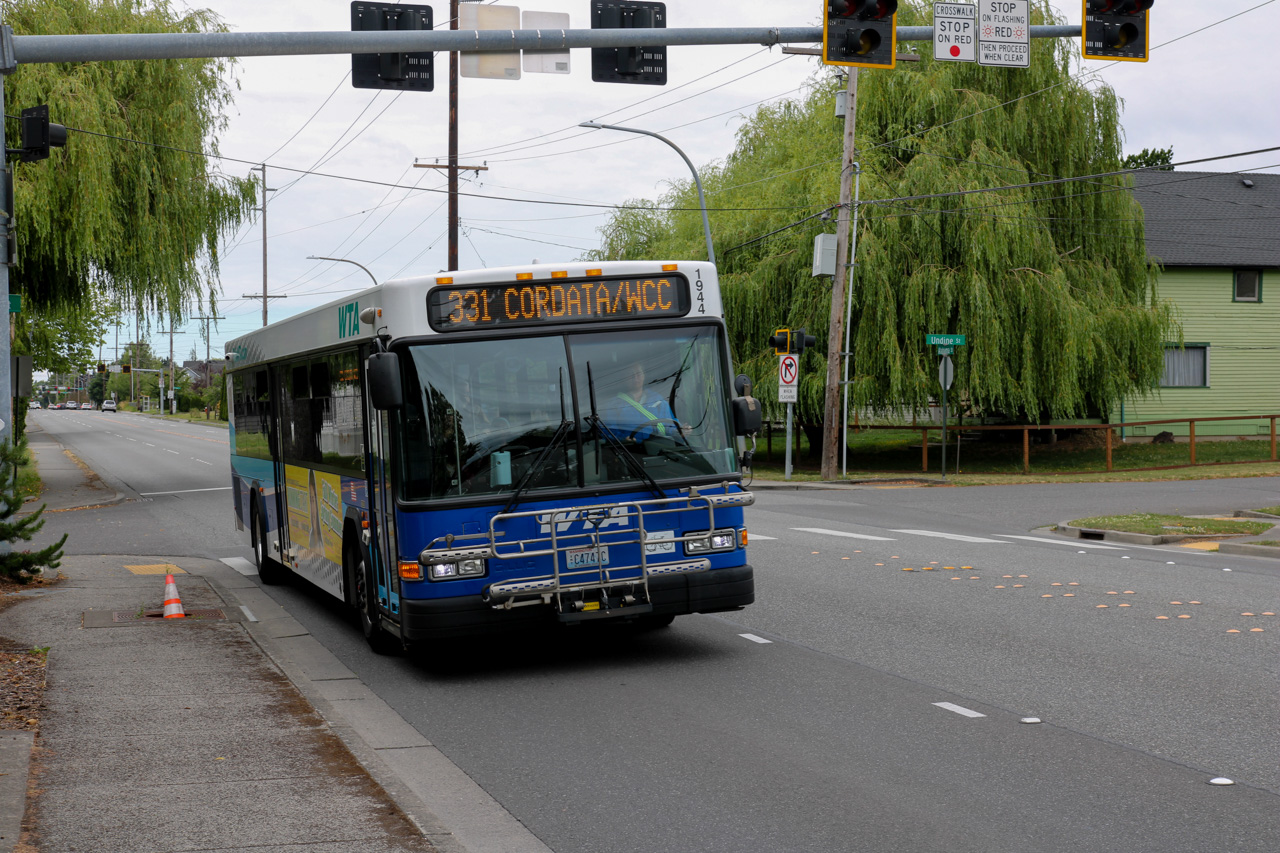
Riding the bus around Whatcom County is getting more expensive starting next week. Beginning September 1, the Whatcom Transportation Authority is raising its standard fixed route fare from $1 to $2, the first fare increase the agency has implemented since 2008. The monthly fare cap will also rise, from $30 to $60.
The change affects riders across WTA's network of fixed routes, which serve Bellingham, Ferndale, Lynden, Birch Bay, Blaine, and other Whatcom County communities. WTA routes also connect to Western Washington University and Bellingham Technical College, making the fare increase relevant to students across the county who rely on transit to get to class.
Who Still Rides for Free or Reduced Cost
Youth riders age 18 and under continue to ride WTA for free. That program is unchanged by the September 1 update, and families with school-age children can continue to take advantage of free youth transit as before.
However, the Gold Card program, which previously allowed adults age 75 and older to ride for free, is being discontinued. In its place, WTA is expanding eligibility for reduced-fare options to a broader group of riders. Those who now qualify for a reduced fare include adults age 65 and older, veterans, students, riders eligible for paratransit services, and individuals who meet disability or income-based eligibility criteria. The expanded eligibility pool is larger than the population previously served by the Gold Card, meaning some riders who did not qualify before may now be able to access reduced fares.
The shift from a free Gold Card specifically for adults 75 and older to a broader reduced-fare program represents a meaningful restructuring of how WTA supports its most cost-sensitive riders. Adults between 65 and 74 who previously paid full fare would now be eligible for a discount. Veterans who previously paid full fare now have a path to reduced rates. The trade-off is that the oldest riders, those 75 and above who were riding for free, will now pay a reduced rather than zero fare unless they qualify under another eligibility category such as income-based criteria.
Riders who fall into any of those categories are strongly encouraged to update their WTA card before September 1 to avoid paying the full $2 fare. Cards can be updated in person at the WTA Bellingham Station customer service desk at 205 E. Magnolia St. Riders need to bring a valid photo ID and supporting documentation based on their specific eligibility category, such as a Veterans Affairs ID, student ID, Social Security Income Eligibility Letter, or documentation of disability status.
Why Fares Are Going Up Now
WTA held its fare at $1 for 18 years, an unusually long period of price stability for a transit agency. During that time, the cost of operating bus service, including fuel, driver wages, vehicle maintenance, and administrative expenses, grew steadily. The gap between fare revenue and operating costs has widened over that period, with the agency relying increasingly on federal and state funding and local tax revenue to cover the difference.
Transit agencies across the country have faced similar pressures in recent years, particularly after the COVID-19 pandemic suppressed ridership while costs continued to climb. Many agencies that kept fares low or eliminated them entirely during the pandemic are now revisiting their fare structures as federal relief funding runs out and operating budgets tighten. WTA's situation is part of that broader national pattern, though 18 years without a fare increase is a longer stretch of stability than most comparable agencies maintained even before the pandemic.
WTA serves a growing county with increasing demand for reliable bus service, and the fare adjustment is intended to bring rider contributions more in line with the cost of providing that service while still maintaining free and reduced-fare access for those who need it most. The doubling of the monthly fare cap from $30 to $60 is a significant change for daily commuters who ride frequently throughout the month, effectively doubling their maximum monthly transit cost. For someone riding twice daily on weekdays, the monthly cap is the relevant figure, and that cap is now $60.
The WTA network connects communities across Whatcom County with downtown Bellingham, Bellingham Station, and park-and-ride facilities, providing an alternative to driving for commuters, students, seniors, and people who do not have access to a personal vehicle. For riders who depend on WTA for daily transportation, the $1 increase per trip, or $30 per month at the new cap, represents a real change to their household budgets.
What Riders Need to Do Before September 1
For most riders paying the standard fare, no action is required. The new $2 fare will apply automatically on September 1. Those who use a stored-value system should verify that their balance is sufficient to cover the new fare amount, since a balance that covered a $1 fare will run out twice as fast under the new structure.
For riders who believe they qualify for a reduced fare under the expanded eligibility criteria, visiting the WTA Bellingham Station service desk before the deadline is the most important step. Time is short, with only days remaining before the change takes effect. The desk is located at 205 E. Magnolia St. in Bellingham, near the downtown transit hub. Customer service hours can be confirmed through WTA's website, where the full details of the fare changes and eligibility documentation requirements are also posted. Riders who are uncertain whether they qualify under the new reduced-fare categories are encouraged to bring whatever documentation they have and ask a customer service representative directly.
For context on other transportation and civic changes affecting Whatcom County residents this fall, including new WTA route configurations serving Western Washington University, see earlier coverage of the WTA route changes here.