Blaine voters approved it. The Whatcom County Boundary Review Board is reviewing it. But the de-annexation of roughly 573 acres in the northeast corner of Blaine still is not official, stalled over a fundamental disagreement between the City of Blaine and Whatcom County over who would be responsible for maintaining H Street Road if the land is removed from city limits.
The dispute has become the central obstacle in what is already an unprecedented process. According to the Municipal Research and Services Center, the de-annexation, if completed, would likely be the largest city-initiated de-annexation in Washington State history. Nothing of its scale has been attempted before, which means there is no existing playbook for resolving the complications that have emerged.
Why Blaine Wanted to De-annex
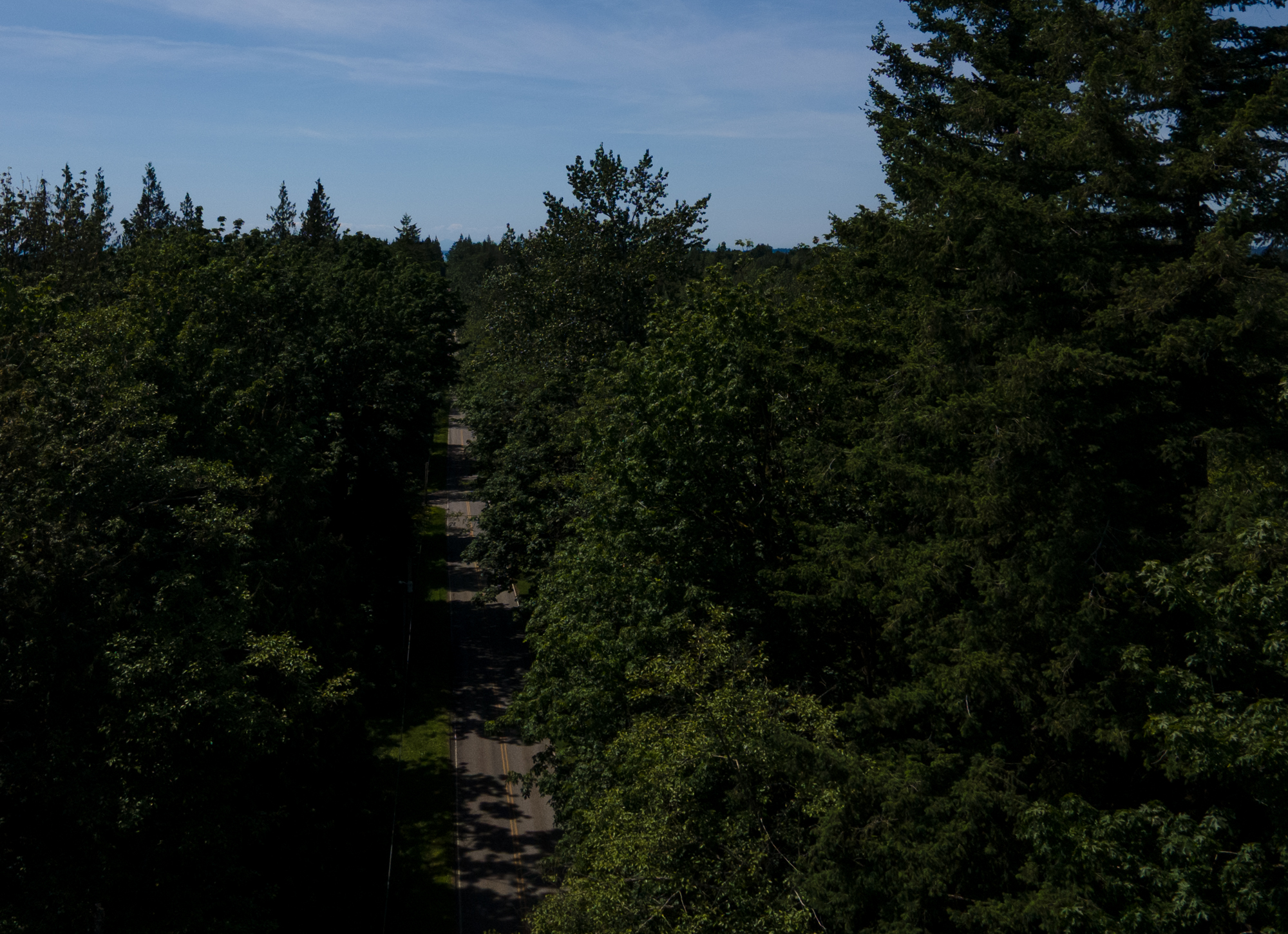
The area in question is sometimes described as the "handle" of Blaine's pan-shaped incorporated boundary: a long strip of forested land stretching northeast from downtown Blaine, wedged between the Canadian border and H Street Road. The city annexed the area in 1996, but never successfully extended utility infrastructure to it. Decades of planning and proposals produced little actual development.
The most significant development proposal for the area was Grandis Pond, a large housing project that was tied to the land for years. The Grandis Pond development rights expired in 2025, and the new property owners have indicated they have no intention of reviving the project. With no development on the horizon and the cost of extending city services to the area remaining prohibitively high, Blaine's city government concluded that the land would be better managed as unincorporated county land.
In November 2025, Blaine voters approved the de-annexation proposal by the required supermajority. That vote sent the matter to the Whatcom County Boundary Review Board, a five-member body overseen by the Whatcom Council of Governments. The board had not met since 2021 before this case brought it back into session, and one of its five seats is currently vacant.
The H Street Road Problem
The de-annexation would affect 36 parcels in the area, seven of which are developed with single-family homes. If the land leaves Blaine, the residents there would no longer pay into the city's taxing district. Instead, they would see the county road levy added to their property tax bills, reflecting the county's responsibility for services including road maintenance.
That is where the dispute surfaces. H Street Road runs through the forested properties in eastern Blaine. Currently, the city maintains it as part of its street network. If the land is de-annexed, the question becomes whether Whatcom County is obligated to take over that maintenance responsibility.
Whatcom County has said the answer is no. County officials have indicated that they are not automatically obligated to assume maintenance of H Street Road simply because the land around it is removed from city limits. That position leaves a significant gap: if the city is no longer responsible for the road because the land is not city land, and the county declines to take it on, the road's maintenance future is unclear.
The City of Blaine has not indicated it is willing to continue maintaining a road in territory it no longer governs. Resolving that impasse is the primary task facing negotiators from both sides and the Boundary Review Board before the de-annexation can be finalized.
What the Process Looks Like From Here
The Whatcom County Boundary Review Board has the authority to approve, modify, or reject the de-annexation proposal. However, before it issues a final decision, the outstanding issues including road maintenance responsibility need to be worked through between the city and county.
Property owners in the 36-parcel area are directly affected by the delay. The seven households that currently live in the eastern Blaine handle face uncertainty about what their future tax obligations and service levels will look like, and they cannot plan around a resolution until the negotiations conclude. Owners of the undeveloped parcels face similar limbo regarding land use and jurisdiction.
The broader civic significance of the case goes beyond Blaine. Washington cities and counties could be watching to see how the state handles a de-annexation of this scale and complexity. The legal and procedural framework that emerges from this case may shape how similar requests are handled in the future.
The Whatcom County Boundary Review Board is the official body with jurisdiction over the de-annexation decision. The Whatcom Council of Governments oversees the board. For residents with questions about the de-annexation timeline or the road maintenance dispute, both the City of Blaine and Whatcom County's planning and community development offices are points of contact. Earlier coverage of Whatcom County governance and boundary issues is available in this report on county land use and facility decisions.