The City of Bellingham announced on July 20 that it is partnering with local nonprofit HomesNOW! to open a new tiny house village in the Irongate neighborhood in early 2027, expanding the city's transitional housing network with 35 to 40 additional homes for people experiencing homelessness.
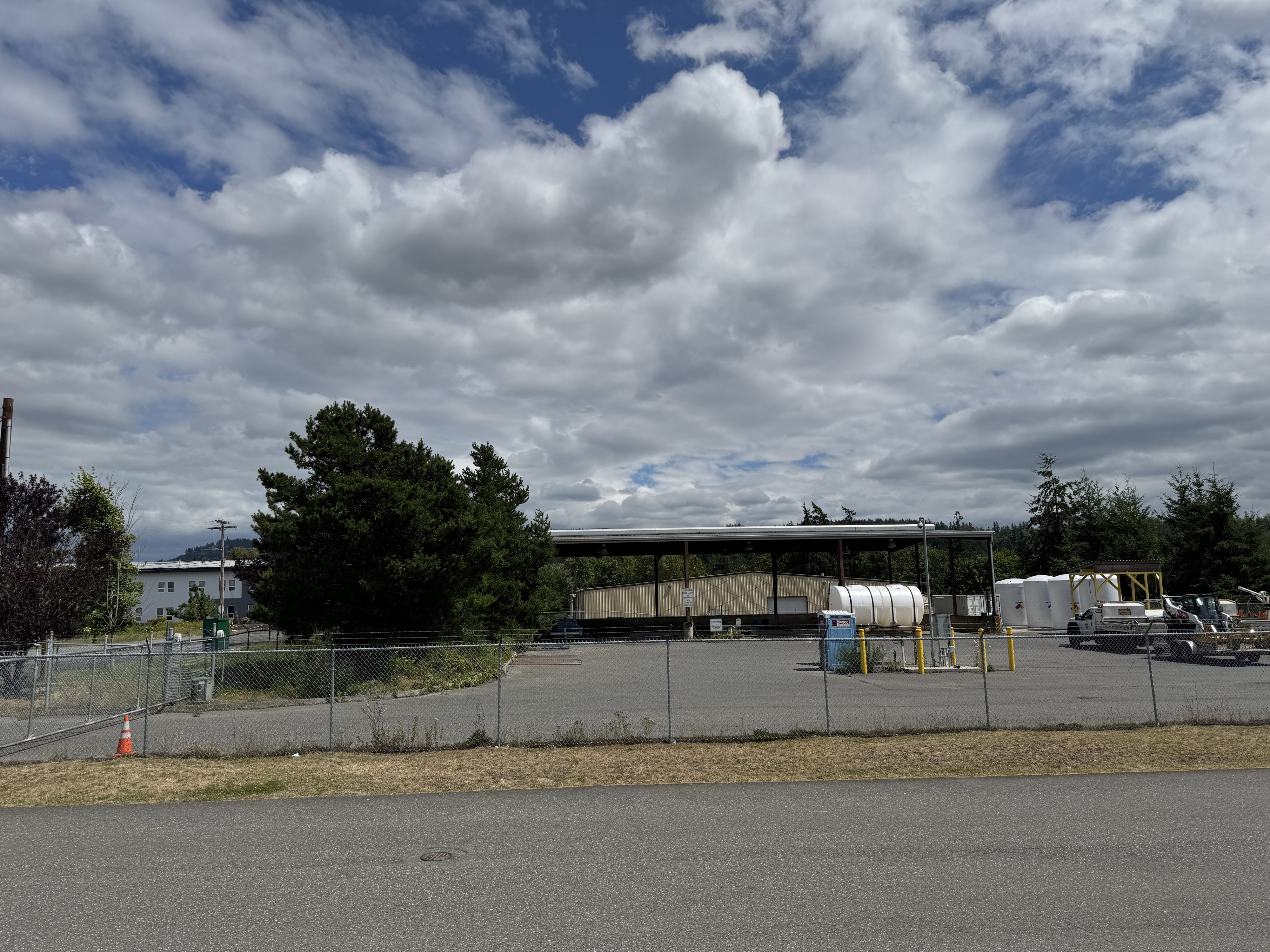
The village will be built on city-owned property at 2140 Division Street, a site currently used for storage that sits adjacent to the Whatcom County Jail Work Center and triage facility. The location is in the industrial Irongate corridor, roughly parallel to the Highway 20 connection to Interstate 5 near the east side of the city. Using city-owned land is a deliberate financial strategy: it eliminates the land acquisition costs that drove up the budgets of earlier village projects and allows available dollars to go directly toward construction and resident services.
HomesNOW!, the Bellingham-based nonprofit that already operates North Haven Tiny Home Village, will manage day-to-day operations. The City of Bellingham and community partners are funding construction and initial setup, with HomesNOW! handling ongoing site management once the village opens.
Building on Two Existing Villages
This project is the third in a series of tiny house villages the city has developed as a transitional housing strategy. The first, Gardenview Tiny House Village on Woburn Street, has 35 units and has been operating for several years. The second, North Haven Tiny Home Village on Northwest Avenue, opened in August 2025 with 47 units. North Haven consolidated two earlier smaller villages that had been operating in the Puget neighborhood and in Fairhaven, bringing more capacity under a single, well-managed site.
Both existing villages operate under a resident-driven model with strict admissions criteria and a code of conduct. Residents are allowed to stay for an unlimited period as long as they are actively working toward permanent housing. The model aims to provide stability without arbitrary time limits while maintaining community standards that make the villages function well for both residents and neighbors. That combination of stability and accountability has been central to HomesNOW!'s pitch to skeptical neighbors and elected officials, and the track record at Gardenview and North Haven has given the city enough confidence to move forward with a third site.
The resident-driven structure distinguishes these villages from more traditional emergency shelter models. Rather than treating shelter as a passive service delivered to people experiencing homelessness, the HomesNOW! approach involves residents in governance, maintenance, and community standards. That participation is intended to build the habits and social connections that support a transition to permanent housing, not simply provide a temporary place to sleep.
Doug Gustafson, chair of HomesNOW!, said the organization is ready to extend that model to the Division Street site. "HomesNOW! has proven what happens when people are given a safe place and the opportunity to directly take part in the housing and shelter solution," he said in a statement. "We're thrilled to partner with the City of Bellingham to open that door for more people, and to let them hold it open for the next person."
Funding and Cost
The project carries a total budget of approximately $1.2 million. That figure is lower than the cost of North Haven because the city already owns the Division Street property, eliminating land acquisition costs that added significantly to prior village budgets. The efficiency of building on city-owned land is one reason Mayor Kim Lund and city staff have prioritized identifying municipally owned sites for future transitional housing projects.
Funding sources include the city's affordable housing levy, the Justice Project sales tax, and contributions from community partners. The Justice Project sales tax, approved by Whatcom County voters, is intended to fund a range of public safety and human services projects, including shelter and transitional housing that reduces reliance on the criminal justice system for people experiencing homelessness. The logic behind using justice-system funds for housing is well-established in public health and criminal justice research: stable shelter reduces cycling through jails, emergency rooms, and crisis services at a cost that typically far exceeds what transitional housing programs require.
The affordable housing levy is a separate dedicated funding stream that Bellingham voters have approved to support the full spectrum of housing needs in the city, from emergency shelter through permanent affordable units. Combining levy dollars with Justice Project funds and community partner contributions spreads the financial risk and avoids dependence on any single funding source that could be cut or delayed.
Mayor Kim Lund has described the push to identify a third village site as a "sprint," acknowledging that demand for transitional housing in Bellingham continues to outpace available supply. In her July 20 announcement, she framed the new village as a continuation of the city's commitment to building a full continuum of housing options, from emergency shelter through transitional housing to permanent affordable units. "Opening this new tiny house village is an important step in expanding housing opportunities of all kinds in Bellingham," she said.
Timeline and What Comes Next
Construction is scheduled to begin this winter, with the village targeting an opening in early 2027. The timeline depends on permitting, construction sequencing, and the availability of funding disbursements from the city's housing levy and Justice Project accounts. Winter construction in Bellingham carries weather-related risks, but city officials have indicated they want to move quickly to address the gap between current transitional housing capacity and the number of people who need it.
Once open, the Division Street village will bring the city's tiny home capacity to roughly 120 units across three sites, a significant expansion of the transitional housing stock that Bellingham has built over the past several years. City officials and HomesNOW! have both pointed to the track record of the existing villages as evidence that the model works, with residents moving into permanent housing at a higher rate than many traditional shelter programs achieve. The cumulative data from Gardenview and North Haven will be important not only for sustaining local political support but also for making the case to state and federal funders that investment in this approach delivers measurable results.
Bellingham's approach has attracted attention from other municipalities in Whatcom County and across Washington State looking for scalable, relatively low-cost ways to address homelessness while maintaining community support. The resident-operated structure, community standards, and active partnership with a local nonprofit appear to be key factors in the program's sustainability. The Division Street site, adjacent to the county jail's work center and triage facility, also places transitional housing within close geographic reach of people who are cycling through the justice system and may be in need of exactly this kind of stable landing point when they are released.
For more information on the city's housing programs and the HomesNOW! partnership, visit the City of Bellingham website. Background on Bellingham's broader housing and infrastructure efforts is available in this earlier report on county facility and community development planning.