Three decades after Bellingham Bay's most ambitious environmental remediation effort began, only two of the twelve high-priority cleanup sites have been fully completed. The remaining ten are in various stages of active cleanup or scheduled remediation, with all work expected to wrap up within the next decade, according to the Port of Bellingham.
The Bellingham Bay Action Team, known as BBAT, was formed in 1996 when the Port of Bellingham and the Washington State Department of Ecology joined forces with city, tribal, and other governmental entities. The coalition identified twelve sites along Bellingham's industrial waterfront where more than a century of lumber milling, shipping, and chemical manufacturing had left behind heavy contamination, including mercury, lead, and other toxic compounds.
What Has Been Cleaned Up So Far
The two completed sites are the Holly Street Landfill and the Eldridge Municipal Landfill. Both have been fully remediated and will continue to be monitored in the years ahead, as is standard practice for former landfill sites to ensure no ongoing leaching occurs. Those completions represent real milestones given the complexity of contaminated site cleanup in a marine environment, but they also underscore how much work remains.
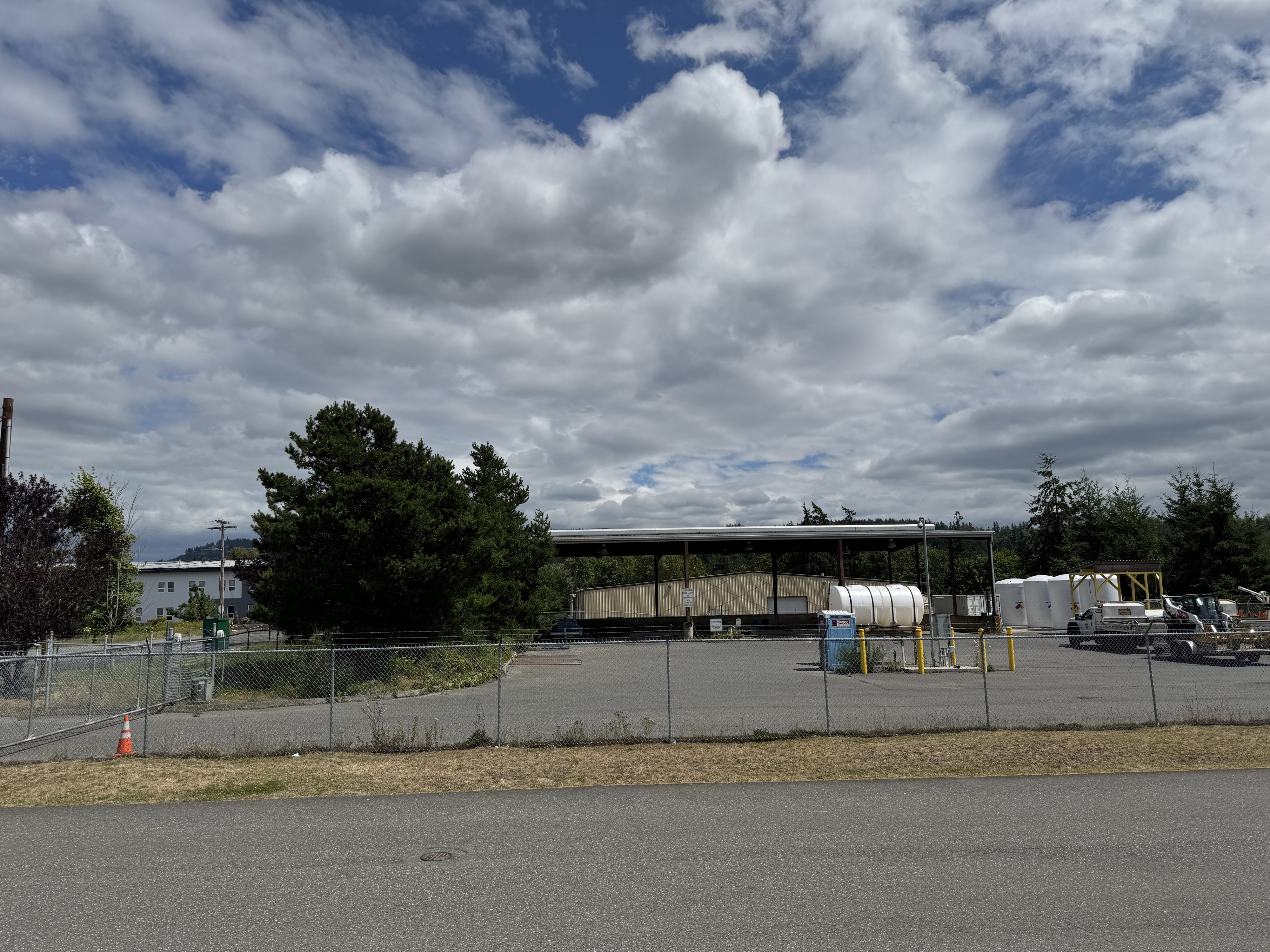
The one site that has not yet reached even the cleanup phase is Marine Services NW, which overlaps with Squalicum Harbor. Because any cleanup there must be coordinated with routine harbor dredging operations, the Port plans to combine the remediation work with scheduled maintenance dredging of the harbor, which is anticipated in the next couple of years.
The remaining nine sites are in active cleanup or in permitting and contracting phases ahead of cleanup. Getting to the actual remediation phase at any site is itself a lengthy process. Agencies must complete environmental assessments, devise cleanup plans, secure funding, go through permitting, and complete contracting before a shovel goes in the ground or contaminated sediments are removed. At waterfront industrial sites, that process routinely takes years.
The Scale of the Problem
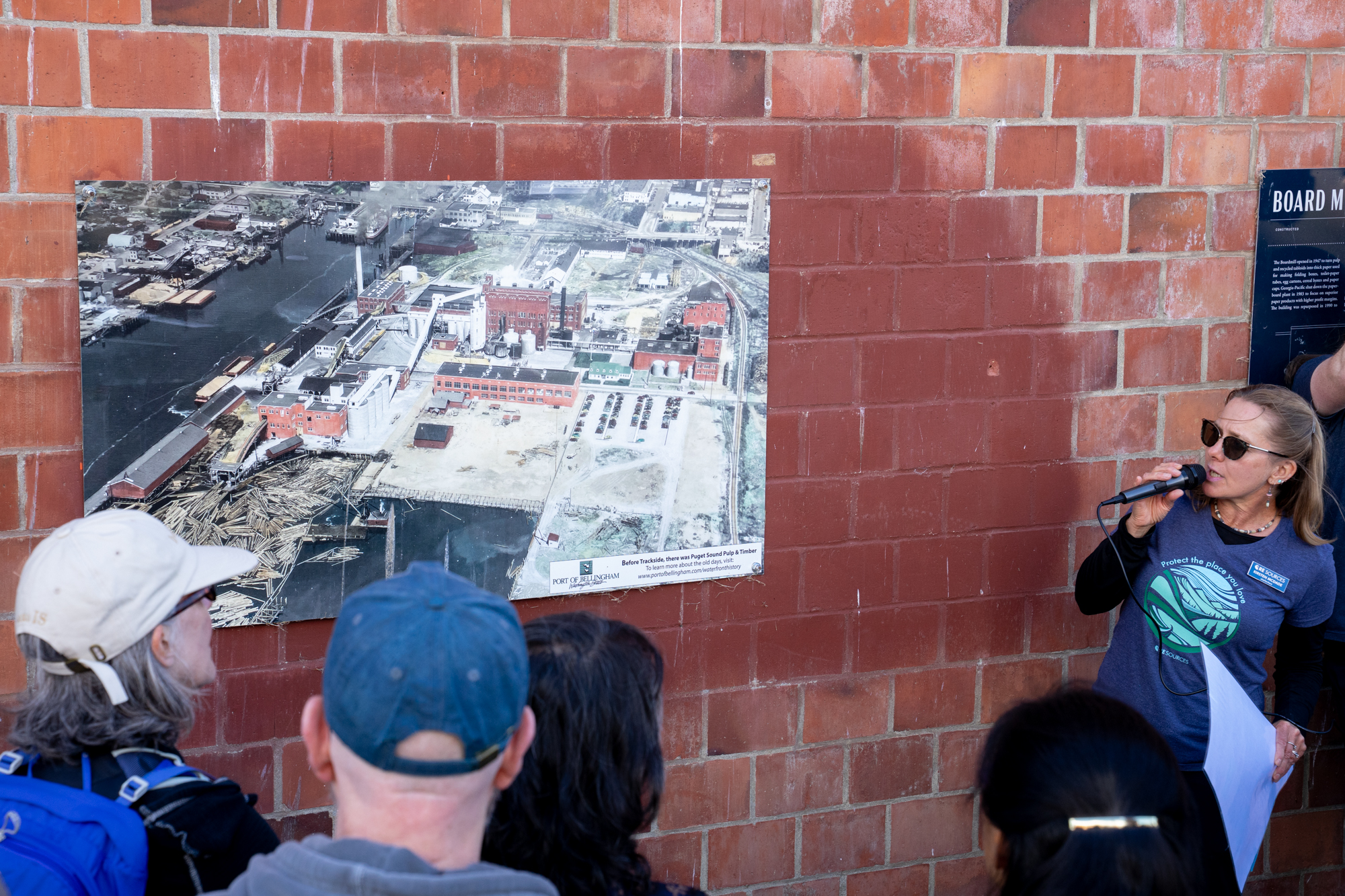
Bellingham's waterfront contamination is a legacy of intense industrial activity that stretched from the late 1800s through much of the twentieth century. The Georgia-Pacific West site, one of the most prominent in the BBAT inventory, operated a large pulp and paper mill complex along the waterfront for decades. Walking tours of that site, led by environmental nonprofit RE Sources, have given community members a firsthand look at what contaminated industrial waterfront property looks like, including digester tanks and former mill buildings still standing while pollutants contained by an asphalt cap lie beneath the surface.
Kirstin McDade, who serves as North Sound Waterkeeper for RE Sources, has been among the advocates keeping public attention on the cleanup's slow pace and the importance of seeing it through. Organizations like RE Sources provide independent environmental monitoring and community education alongside the official agency processes.
Port of Bellingham public affairs administrator Mike Hogan expressed optimism about the trajectory despite the slow pace. "After decades of historical industrial contamination, we're really excited to be getting close to the finish line," he said. That framing points to a meaningful shift: for most of the past thirty years, the finish line felt distant. Now, with ten sites projected for completion within ten years, the timeline is finally measurable.
What the Next Decade Looks Like
Completing ten cleanup sites in the next decade is an ambitious goal given that two sites took thirty years. However, the work that has been done in recent years has built institutional momentum and funding pipelines that did not exist at the start. The Port, the state Department of Ecology, and tribal partners have all deepened their coordination, and federal funding streams have become more reliable for contaminated waterfront remediation.
The cleanups matter beyond environmental symbolism. Bellingham Bay supports commercial and recreational fishing, tribal subsistence harvesting by the Lummi Nation and Nooksack Tribe, boating, kayaking, and swimming. Contaminated sediments in the bay affect the health of fish and shellfish that people eat and the recreational water quality that draws residents and visitors to the shoreline year-round. The waterfront redevelopment that has brought new parks, event spaces, and pedestrian infrastructure to former industrial land is also tied to the cleanup's progress.
For current information on the status of individual BBAT cleanup sites and ongoing monitoring results, the Port of Bellingham publishes updates on its website. The Washington State Department of Ecology also maintains a contaminated sites database with public-facing information on each location's cleanup status. Earlier coverage of the Port of Bellingham's waterfront environmental work is available in this report on the Harris Avenue Shipyard toxic metals cleanup.