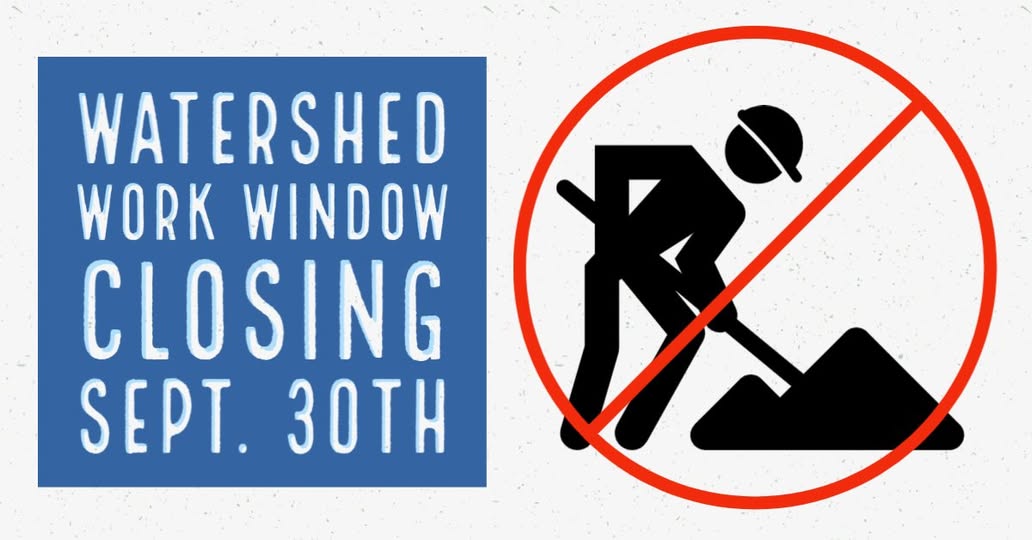
If you live near Lake Whatcom, Lake Samish, or Lake Padden, a regulatory deadline is approaching that affects what you can do in your own yard. Starting October 1, Whatcom County limits ground disturbance activities in those three sensitive watersheds to protect water quality during the rainy season.
The restrictions apply to any activity that moves or exposes soil, including clearing vegetation, adding topsoil, grading, or similar work. The rules are in place specifically because fall and winter rains can wash exposed sediment into lake tributaries and directly into the lakes themselves, carrying pollutants and nutrients that degrade drinking water quality and harm aquatic ecosystems.
Why These Three Watersheds Are Protected
Lake Whatcom is Bellingham's primary drinking water supply, providing water to roughly 100,000 residents and businesses in the City of Bellingham and the Lake Whatcom Water and Sewer District. Protecting water quality there is not optional; it is a public health priority that has driven land-use policy in the county for decades. Phosphorus and sediment loading from developed properties in the watershed have been persistent concerns, and county regulations over the years have increasingly restricted activities that accelerate that loading.
Lake Samish and Lake Padden are also ecologically sensitive. Lake Padden in southeast Bellingham is a beloved city park and recreational destination, while Lake Samish straddles the Whatcom-Skagit county line south of Bellingham and supports a popular public swimming and boating area. Both lakes have experienced water quality challenges tied to nutrient runoff from surrounding development.
The rainy-season restrictions exist precisely because bare soil plus heavy rain plus steep slopes equals a rapid pipeline for sediment and pollutants into the water. What residents do between October and the following spring can have an outsized impact on water quality compared to drier months when soil tends to stay in place.
What Activities Are Affected
The county's watershed regulations cover a broad range of common homeowner and landscaping activities. If you live within one of the three regulated watersheds and were planning to:
Clear trees, shrubs, or brush; till or grade your yard; bring in topsoil, gravel, or fill material; or disturb the soil surface in any significant way, you will need to complete that work before October 1 or wait until the restrictions lift in the spring. The specific boundaries of each watershed and the full text of the rules are available through Whatcom County Planning and Development Services.
Residents who are unsure whether their property falls within a regulated watershed can check the county's online mapping tools or call county staff directly. Proceeding with restricted work without proper authorization can result in enforcement action, stop-work orders, and requirements to restore disturbed areas at the property owner's expense.
How to Stay on the Right Side of the Rules
Whatcom County Public Works recommends that property owners in these watersheds plan seasonal projects carefully. Fall is still a good time to plant native vegetation, install erosion control measures like straw wattles or silt fencing, or complete work that stabilizes rather than exposes soil.
If a project absolutely must occur during the restricted season, county staff can advise on what permits or exceptions may apply. Projects that disturb more than a threshold amount of soil typically require a grading or building permit regardless of season, and those permits often come with erosion control requirements that must be in place before any ground is broken.
For more information on the specific regulations that apply to each watershed, visit the Whatcom County Watershed Regulations page. You can also reach the Public Works department at Whatcom County directly to ask whether your address falls inside a protected watershed boundary and what rules apply to your planned project.
With October 1 arriving this Thursday, the deadline to complete ground-disturbing work without restriction is just days away. If you have been putting off a landscaping project, now is the time to finish it or wait until spring to start.