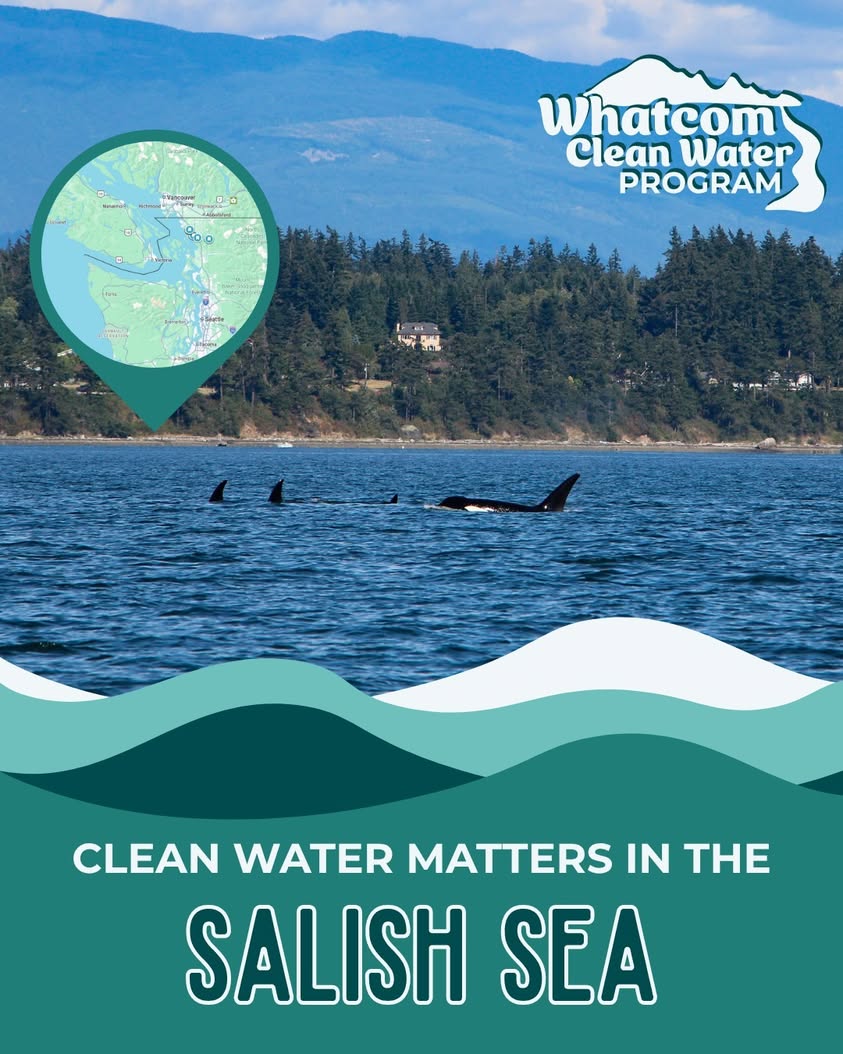
The Salish Sea ranks among the most ecologically rich bodies of water in the world, supporting orca whales, five species of Pacific salmon, harbor and elephant seals, more than 170 bird species, and over 260 types of fish. This weekend, Whatcom County residents can learn how their everyday choices on land directly affect the health of those waters by visiting the Whatcom Conservation District booth at SeaFeast.
The Whatcom Conservation District posted a timely reminder this week as the annual Bellingham SeaFeast festival approaches: clean water is not just an environmental cause, it is the economic backbone of the entire region. Fishing, tourism, maritime shipping, and coastal communities all depend on water quality that many residents take for granted.
Why the Salish Sea Matters to Whatcom County
The Salish Sea is the interconnected marine system stretching from Puget Sound north through the Strait of Georgia into Canadian waters, with Bellingham Bay sitting at its northern gateway. The sea is home to resident orca pods whose survival depends on healthy chinook salmon runs in the Nooksack River watershed and surrounding waterways. It supports grey, minke, and humpback whales, California and Steller sea lions, and a diversity of marine life that draws researchers, wildlife watchers, and commercial harvesters alike.
Beyond ecology, the Salish Sea underpins much of Whatcom County's economy. The Port of Bellingham handles significant cargo and fishing vessel traffic. Local charter operators run whale watching tours that attract visitors from across the Pacific Northwest. Commercial crabbers and salmon fishers depend on the sea's productivity, and the tourism sector built around water access brings millions of dollars into the county annually.
The Whatcom Conservation District works with farmers, homeowners, and local governments to reduce the runoff and land-use practices that degrade water quality before it ever reaches the sea. Their message this week is direct: what you do on land matters in the water.
SeaFeast: Where to Learn More
SeaFeast is Bellingham's annual celebration of its maritime heritage, bringing together seafood vendors, environmental educators, fishing industry representatives, and community organizations at the waterfront. The festival is one of the more popular late-summer events on the local calendar, drawing families, seafood enthusiasts, and anyone interested in the intersection of food, culture, and conservation.
This year, visitors to the Whatcom CD booth at SeaFeast can talk directly with conservation staff about what residents can do to keep Whatcom County waterways healthy. Topics typically include stormwater management, agricultural buffer practices, proper disposal of yard and household chemicals, and the basics of how water moves from neighborhood streets and farm fields into local creeks and eventually into the bay.
The district's staff can explain programs available to Whatcom County property owners, including technical assistance for small farms and landowners seeking to reduce their environmental footprint near sensitive waterways.
What You Can Do Right Now
Even residents who cannot attend SeaFeast can take steps to protect the Salish Sea's water quality. The Whatcom Conservation District recommends basics like never disposing of household chemicals, motor oil, or paint products down storm drains, which flow directly to waterways without treatment in most of Whatcom County. Maintaining septic systems on schedule, minimizing impervious surfaces on residential lots, and planting native vegetation along stream banks are among the practices that make a measurable difference at scale.
For those living near Lake Whatcom, Lake Samish, or Lake Padden, there are additional county regulations governing soil disturbance in those sensitive watersheds, particularly as the rainy season begins in October. Those rules are described in detail on the Whatcom County Planning and Development Services website.
The push to protect local water quality is part of a broader regional effort that includes state agencies, tribal nations, and municipalities working to improve conditions for salmon and the orcas that depend on them. SeaFeast is one of the most accessible entry points for residents who want to understand how they fit into that larger picture. Stop by the Whatcom CD booth, ask questions, and leave with a clearer sense of how Bellingham's backyard connects to one of North America's most remarkable marine ecosystems.