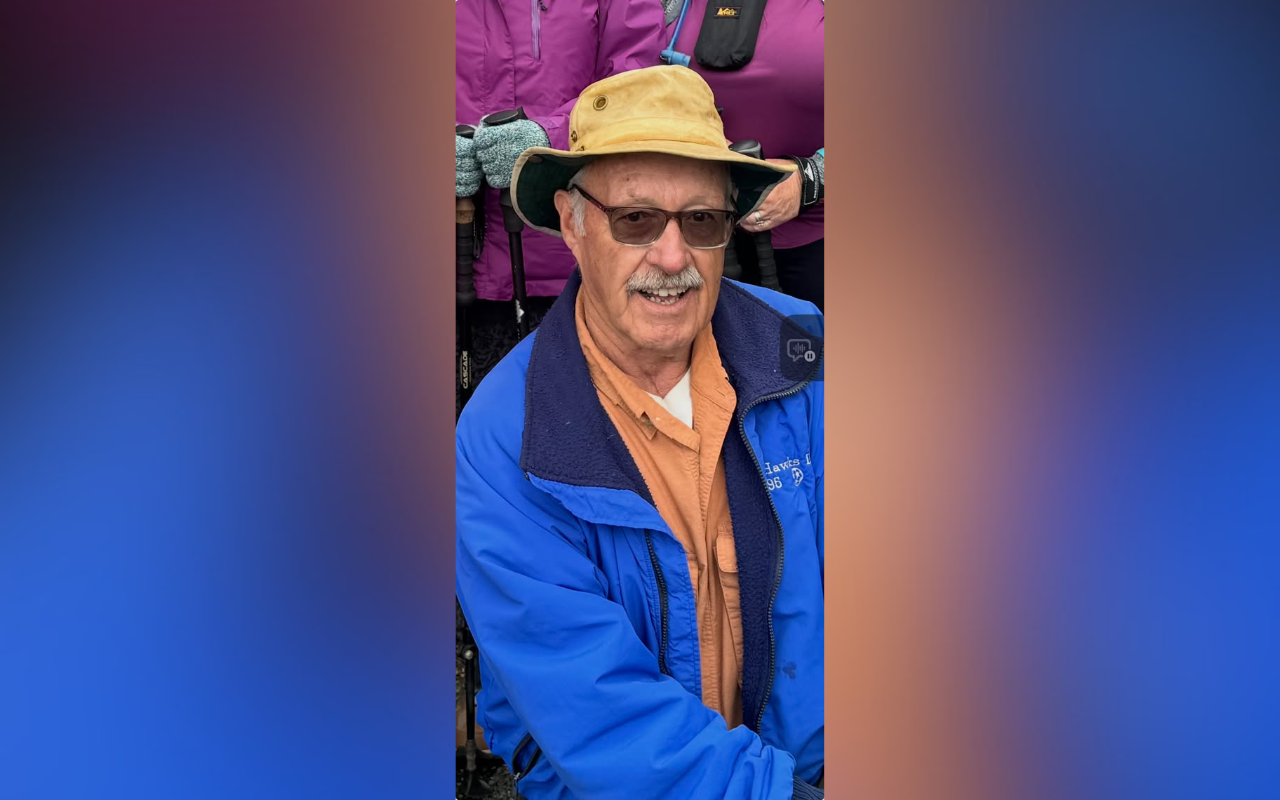
A search and rescue operation is underway in Skagit County for a 78-year-old man who went missing Thursday while hiking the Sauk Mountain Trail. Peter Kalapaca was reported overdue Thursday, September 17, after setting out on his own for a hike in the area. As of Friday, the Skagit County Sheriff's Office had shut down the trail and was continuing active search efforts with multiple agency partners. The case has drawn assistance from both federal land management and federal law enforcement agencies, underscoring the seriousness with which authorities are treating the situation given Kalapaca's age, limited supplies, and the amount of time that had passed since anyone confirmed his location.
What Is Known About the Missing Hiker
Peter Kalapaca is described as a white male, 5 feet 9 inches tall, with gray hair. He was last seen near the top of the Sauk Mountain Trail wearing a yellow shirt and hat. The Skagit County Sheriff's Office released a contributed photo of Kalapaca showing the hat he was wearing, giving searchers and the public a visual reference for identifying him in the field or on trail camera footage from the area.
Authorities note that Kalapaca had limited food and water with him and was not prepared for overnight conditions, making the extended time since his last sighting a significant concern. When a hiker of any age goes into mountainous terrain with minimal supplies and no overnight gear, the margin for error is narrow. For a 78-year-old, the physical demands of steep, exposed terrain at elevation create additional risk if he became fatigued, disoriented, or injured at any point during his hike. Hypothermia becomes a real factor overnight even in September at elevations above 4,000 feet in the North Cascades, where temperatures can drop into the low 40s or colder after dark as marine air pushes inland from Puget Sound.
The Skagit County Sheriff's Office received the missing persons report Thursday and began coordinating a search response. By Friday morning, the U.S. Forest Service had granted permission to close the Sauk Mountain Trail to the public to allow search and rescue teams to operate more effectively across the terrain without additional hikers moving through the area. Keeping the trail closed reduces the risk of members of the public accidentally contaminating search areas, complicating dog tracking work, or requiring rescuers to divide their attention between the primary search and monitoring for additional visitors in distress.
U.S. Border Patrol and the National Park Service are both assisting the Skagit County Sheriff's Office in the search and rescue operation, reflecting the multi-agency coordination that is typical for backcountry searches in this part of Washington state. The Sauk Mountain area sits in the Mount Baker-Snoqualmie National Forest, placing it under federal land management jurisdiction even though search and rescue coordination falls to the county sheriff. Federal partners bring additional personnel, specialized equipment, and in the case of Border Patrol, aircraft and ground assets that can cover terrain quickly.
About Sauk Mountain Trail
Sauk Mountain Trail is a well-known hiking destination in Skagit County, located off State Route 20 near Concrete, roughly an hour southeast of Bellingham. The trail climbs steeply from a trailhead at about 4,300 feet elevation to the summit at approximately 5,534 feet, offering panoramic views of the Skagit Valley, Puget Sound, and surrounding Cascades on clear days. The relatively short distance from trailhead to summit, combined with the dramatic elevation gain and the views available on a clear day, makes it a popular destination for hikers who want a rewarding experience without committing to a full-day alpine route.
The trail is popular with day hikers from across the region, including many from Bellingham and Whatcom County who make the drive along Highway 20 for a challenging half-day hike. State Route 20, also known as the North Cascades Highway, passes through some of the most dramatic scenery in Washington, and the Sauk Mountain turnoff gives hikers access to summit views that are difficult to match elsewhere in the region without a much longer approach.
The terrain is exposed near the top, with loose rock, steep drop-offs, and weather that can change rapidly. Even in September, temperatures at the summit can drop sharply in the afternoon and evening as marine air pushes inland. Early September in particular can feel like summer at the trailhead while conditions at the summit are considerably colder and windier. A hiker who starts out in comfortable afternoon temperatures can find themselves in a very different environment by the time they reach the upper switchbacks, especially if clouds move in and obscure the visibility that makes the route straightforward to navigate.
For an elderly hiker with limited supplies, becoming disoriented or injured on terrain at that elevation creates a serious situation quickly. Search teams in these scenarios balance speed with thoroughness, working outward from the last known location while considering the direction of travel a fatigued or disoriented person is most likely to have taken. Standard search theory accounts for the tendency of lost hikers to move downhill, seek shelter from wind, and follow drainages or defined terrain features, all of which shape how search grids are prioritized and assigned to teams in the field.
What to Do If You Have Information
The Skagit County Sheriff's Office is the lead agency for this search and rescue effort. Anyone with information about Kalapaca's whereabouts or anyone who saw him on or near the Sauk Mountain Trail on Thursday should contact the sheriff's office immediately. In a search involving an elderly hiker with limited supplies and no overnight preparation, every piece of information about timing and location can help searchers narrow the area where he is most likely to be found. A witness who remembers seeing a man matching his description at a particular point on the trail at a specific time of day can meaningfully shift where search resources are focused, potentially saving hours of coverage in the wrong area.
If you were hiking Sauk Mountain on Thursday, September 17, and saw anyone matching Kalapaca's description, whether near the top of the trail, on the descent, or at the trailhead parking area, that information is potentially valuable to searchers even if the sighting seemed unremarkable at the time. Details like the direction he was walking, whether he appeared tired or confused, and roughly what time of day the encounter occurred are all worth reporting.
The Sauk Mountain Trail closure will remain in effect until the search operation concludes. Hikers planning to visit the area should check for updates before heading out. The trail is accessible from the Sauk Mountain Road turnoff on State Route 20, and the area is a popular autumn hiking destination as the larches begin to change color in the higher elevations nearby. Visitors who arrive to find the closure in place should respect the perimeter and not attempt to access the trail, both to protect the integrity of the search operation and because additional foot traffic in an active search area creates real complications for dog teams and grid search crews.
Search and rescue operations in the North Cascades draw on the same network of county sheriffs, federal land managers, and volunteer teams that respond to incidents across both Skagit and Whatcom counties. The two counties share many of the same backcountry recreation areas and face similar challenges managing hiker safety in terrain that rewards experience and preparation but punishes those who underestimate it. Incidents like this one serve as a reminder of the importance of carrying the ten essentials, telling someone your planned route and expected return time, and carrying enough food, water, and insulating layers to manage an unplanned overnight if something goes wrong. For background on emergency response capacity in the region, earlier coverage has tracked emergency preparedness exercises and search and rescue coordination across Whatcom County this fall.