Fresh-pressed apple cider is one of the defining tastes of fall in Whatcom County, where backyard orchards, community pressing events, and small-batch local producers make this a beloved seasonal tradition. But unpasteurized cider carries real health risks, and Whatcom County Health and Community Services is out this week with a detailed set of safety guidelines for anyone planning to press cider at home or participate in a community event this fall.
The Risk in Unpasteurized Cider
Apple cider that has not been pasteurized can harbor harmful bacteria, including E. coli and Salmonella, that cause serious gastrointestinal illness. The risk is highest for infants and young children, pregnant people, adults aged 65 and older, and anyone with a weakened immune system. For these groups, a contaminated batch of cider can result in hospitalizations and, in rare cases, life-threatening complications.
The bacteria can enter the cider through several routes. Apples that have fallen to the ground and made contact with animal feces are the most common culprit. Birds, deer, rodents, and farm animals all leave droppings in orchards, and fallen fruit can pick up pathogens that survive on the skin through washing. Equipment that is not properly cleaned between batches can also harbor and transfer bacteria from one pressing to the next.
Whatcom County Health has seen cases linked to local and small-batch cider in past years, and the agency notes that pressing events where multiple families share equipment are particularly high-risk if proper sanitation is not followed.
Step-by-Step Safety Guidance
The county's guidance covers equipment, apple selection, and handling practices in detail. On the equipment side, all parts of the apple grinder and press should be thoroughly cleaned and sanitized before processing each new batch. This is especially important at community events where the equipment moves between different groups of users. Organizers should provide a portable handwashing station for all volunteers and participants.
A portable handwashing station is easier to set up than it sounds. You need an insulated gravity-flow container with a continuous-flow spigot, warm water at around 100 degrees Fahrenheit, hand soap, paper towels, and a bucket to catch wastewater. The county recommends screening volunteers for recent illness before they begin working. Anyone who has had diarrhea, vomiting, fever with sore throat, or jaundice in recent days should stay home.
All volunteers handling apples or equipment should wash their hands thoroughly before starting, and workers should wear single-use gloves if the cider will not be pasteurized before consumption or sale.
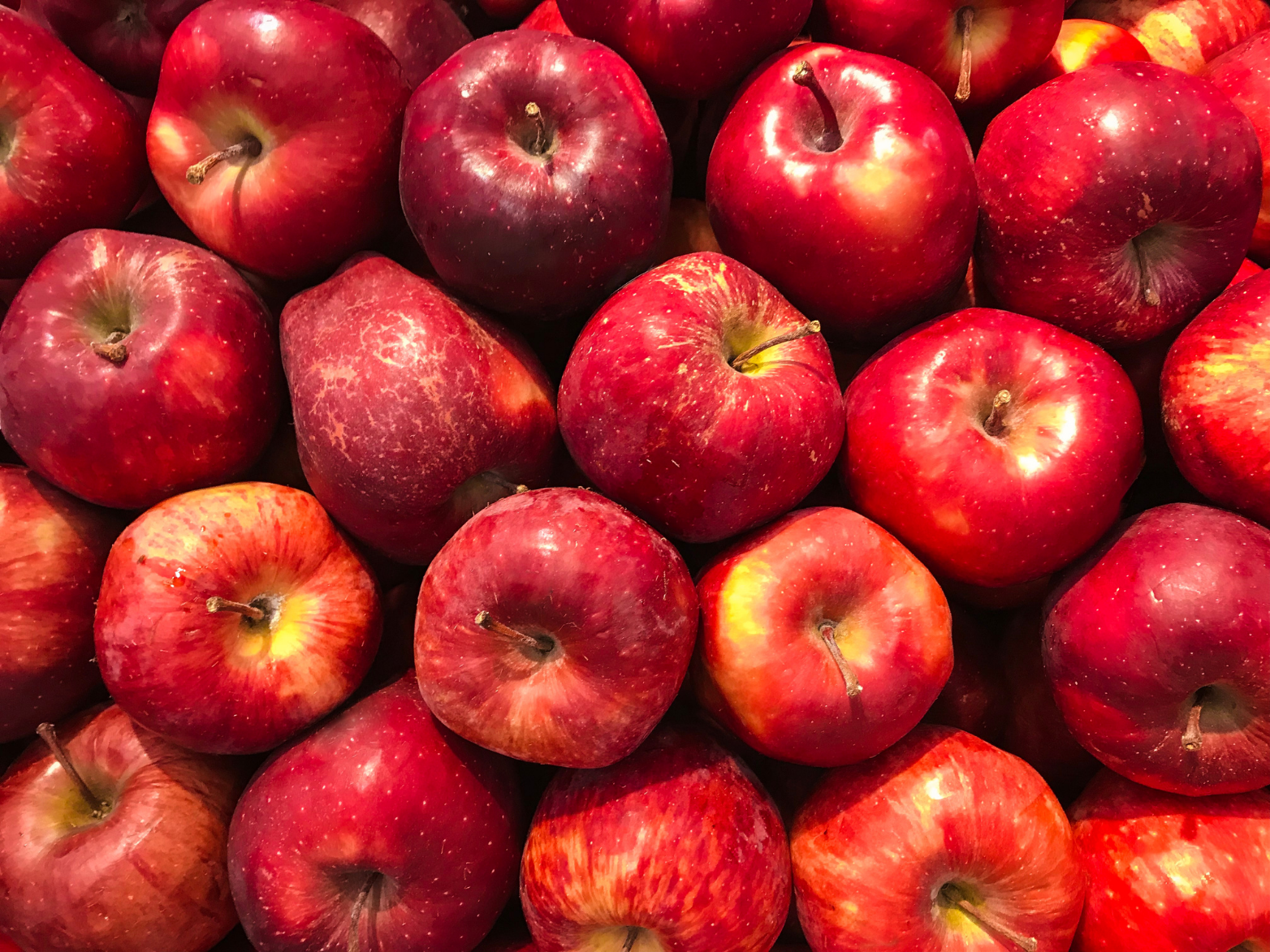
For apple selection, the rule is simple: only use apples picked directly from the tree. Apples gathered from the ground should be discarded, even if they look undamaged. After picking, rinse apples in clean running water to remove dust and dirt. For extra protection, soak apples for one minute in a solution of one tablespoon of bleach per gallon of water, then rinse thoroughly to remove bleach residue before pressing. The rinse solution should be changed hourly or whenever it becomes cloudy.
For storage, use only cleaned and sanitized jugs. And for the highest level of safety, pasteurize the finished cider by heating it to 158 degrees Fahrenheit before bottling or consumption. That temperature is sufficient to destroy pathogens including E. coli.
Rules for Selling Cider at Events or Markets
Anyone planning to sell cider at a farmers market, roadside stand, or community event needs a permit from Whatcom County Health and Community Services. The county requires permit applications to be submitted at least two weeks before the event, so producers who want to sell at October markets should begin that process now.
The Whatcom County Health and Community Services office can be reached at 360-778-6000 or by email for permit questions and guidance. Unpermitted sale of unpasteurized cider is a violation of state food safety law and carries liability exposure if customers become ill.
The county's guidance also notes that if you are buying local or small-batch cider from someone else, checking the label for pasteurization information is the simplest way to protect vulnerable members of your household. Pasteurized cider is safe for all consumers; unpasteurized cider should not be given to infants, young children, elderly family members, or anyone who is pregnant or immunocompromised.
Where to Get More Help
The Whatcom County Health and Community Services office at 360-778-6000 is the primary resource for questions about cider pressing permits, food safety at community events, and illness reporting if you believe contaminated cider may have caused sickness. The agency also handles food safety education for farm-based operations and community organizations throughout the county.
For residents interested in the broader picture of food safety and agricultural practices in Whatcom County, this guidance connects to ongoing county work on farm water quality and safe food handling that runs through everything from berry harvest season to winter root vegetable storage. For background on related community health and environmental topics in Whatcom County, earlier coverage has tracked water quality alerts at Lake Padden and other local waterways this summer.