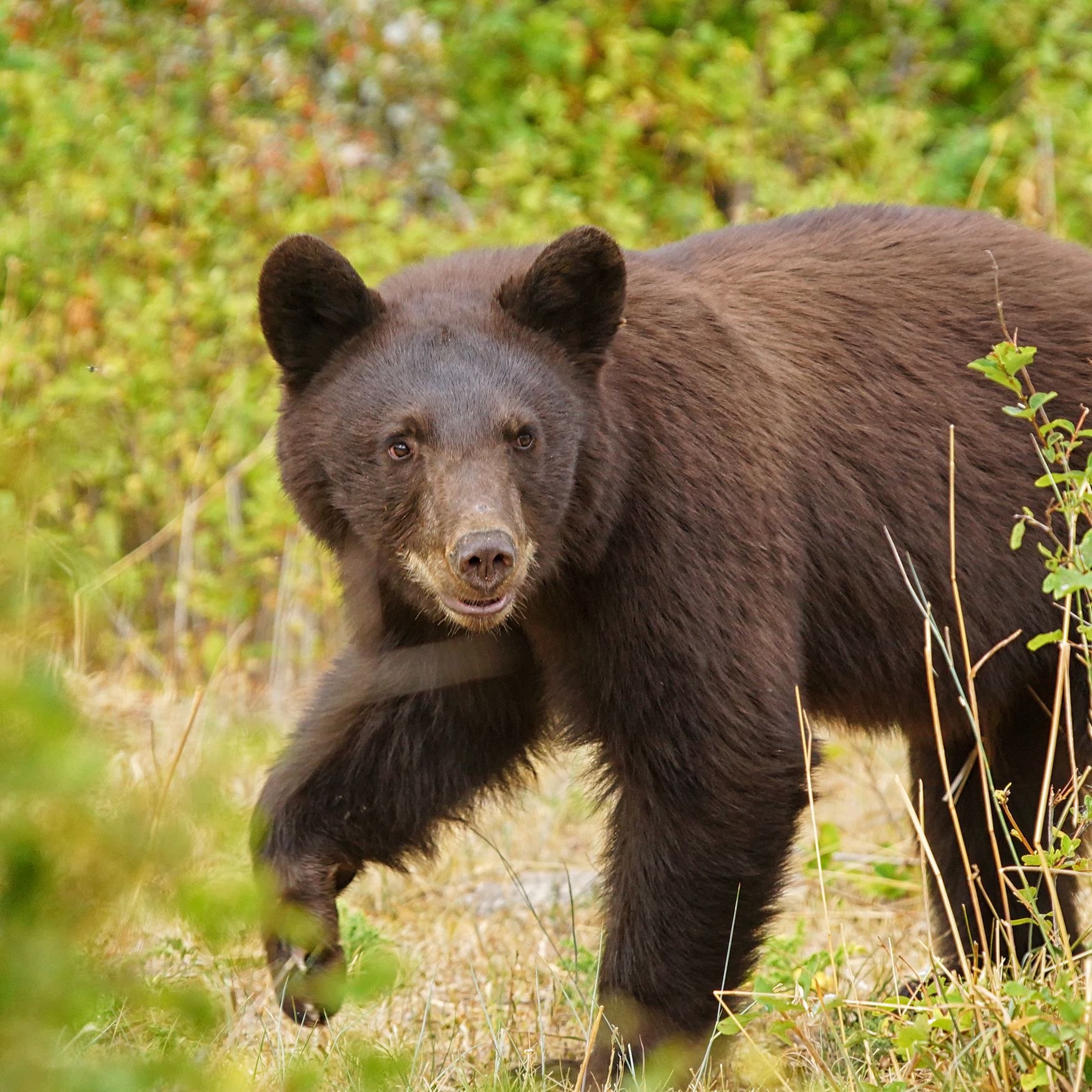
Two people, including a child, were injured after encountering a black bear at a private residence north of Lake Whatcom in Whatcom County, according to the Washington State Department of Fish and Wildlife. The incident occurred Sunday night, September 13, outside Bellingham city limits.
WDFW spokesperson Chase Gunnell confirmed the encounter but said the victims have requested privacy, including regarding which hospital provided treatment. Spokesperson Becky Elder with WDFW's Fish and Wildlife Police confirmed that both victims were transported to a local hospital, though the extent of their injuries has not been disclosed publicly. The agency has not released the specific address of the incident out of respect for the victims' privacy.
Search for the Bear Is Underway
Wildlife officials are actively working to locate and trap the black bear involved in the incident. The area north of Lake Whatcom is a mix of residential and semi-rural properties, with homes and acreage parcels that back up against forested terrain providing habitat for black bears and a range of other wildlife common to the western Washington foothills. The combination of residential development and intact forest patches in that zone creates frequent overlap between human activity and bear movement corridors, particularly during the late summer and fall months when bears are actively foraging to build fat reserves before winter.
The Washington Department of Fish and Wildlife manages black bear populations statewide and handles human-wildlife conflict response. When a bear injures a person, WDFW protocols typically involve deploying traps in the area of the incident with the goal of identifying and removing the specific animal responsible. Trap placement is informed by tracking information, trail camera data, and reports from residents in the area. Once an animal is captured, wildlife officers assess the situation and make decisions about relocation or lethal removal based on the severity of the incident, the animal's behavior, and the public safety risk of releasing the bear back into a residential area. Bears that have injured people are generally not relocated, as relocation does not reliably change the behaviors that led to the conflict.
Black bears in western Washington are active in the late summer and fall as they enter hyperphagia, an intensive feeding period before winter dormancy during which individual bears may consume thousands of calories per day. During this time, bears can range widely and unpredictably in search of food and are significantly more likely to enter residential areas, particularly where fruit trees, unsecured garbage, bird feeders, compost bins, or pet food stored outdoors provide easy calorie sources. A single apple tree dropping ripe fruit in a backyard can draw bears repeatedly to the same property, and once a bear associates a specific address with reliable food, it will return until the attractant is removed or the animal is physically removed.
The Second Encounter Near Bellingham in a Month
This is the second reported black bear encounter involving injuries in Whatcom County within the span of a month. A woman sustained minor injuries in a separate incident last month after she was approached by a bear near Lake Whatcom. That event triggered a similar WDFW response, and wildlife managers have been monitoring bear activity in the Lake Whatcom corridor since that earlier incident. The proximity and timing of the two events raises the question of whether the same animal may be involved in both, though WDFW has not publicly made that determination.
The clustering of incidents near Lake Whatcom and the area immediately north of it suggests elevated bear activity in that particular zone this fall season. Residents living in neighborhoods that border forested areas near the lake, including parts of Geneva, Sudden Valley, and the unincorporated hillside communities east and north of Bellingham, are advised to take precautions and to be particularly alert when outdoors at dawn, dusk, and after dark, when bear activity tends to peak.
WDFW recommends that residents in bear country secure garbage in bear-resistant containers or bring bins inside overnight, remove bird feeders during the active bear season rather than simply raising them higher, bring pet food indoors rather than leaving it on porches or decks, and clear fallen fruit from beneath fruit trees as promptly as possible. Compost bins should be managed carefully, with meat and cooked food kept out of open bins. Motion-activated lights and noise deterrents can reduce the likelihood of bears approaching a home at night, though they are not a substitute for removing food attractants.
What to Do If You Encounter a Bear
If you see a black bear near your home, do not approach it or attempt to chase it away physically. Make loud noise from a distance, such as banging pots together or using an air horn, to encourage the animal to leave on its own. Most black bears that encounter humans will move away if given space and a clear exit route. If a bear does not leave, or if it enters your home, charges, or poses an immediate threat to people or livestock, call 911 immediately. For non-emergency sightings or to report a bear causing property damage or returning repeatedly to a specific location, contact WDFW's regional office or file a report through the agency's online wildlife reporting system at wdfw.wa.gov.
WDFW asks that residents in areas with recent bear activity remain vigilant and report any additional sightings, even routine ones, to help officials understand how widely the animal or animals in question are ranging through the area. Detailed sighting reports, including the time, location, and direction of travel, help wildlife managers build a picture of the animal's home range and improve the effectiveness of trapping efforts. Early and accurate reports from the public significantly increase the likelihood of a successful response before additional people are injured.
Anyone with questions about living in bear country, managing attractants on their property, or the status of the current WDFW response can find detailed guidance from Washington Department of Fish and Wildlife or contact their Bellingham regional office directly. The Whatcom County Sheriff's Office may also be involved in coordinating public safety communications for the area near the incident site and can be a useful point of contact for residents in the immediate vicinity who have specific concerns about their safety.
For more on recent public safety news around Whatcom County, read about recent investments in emergency medical response capabilities in Bellingham.