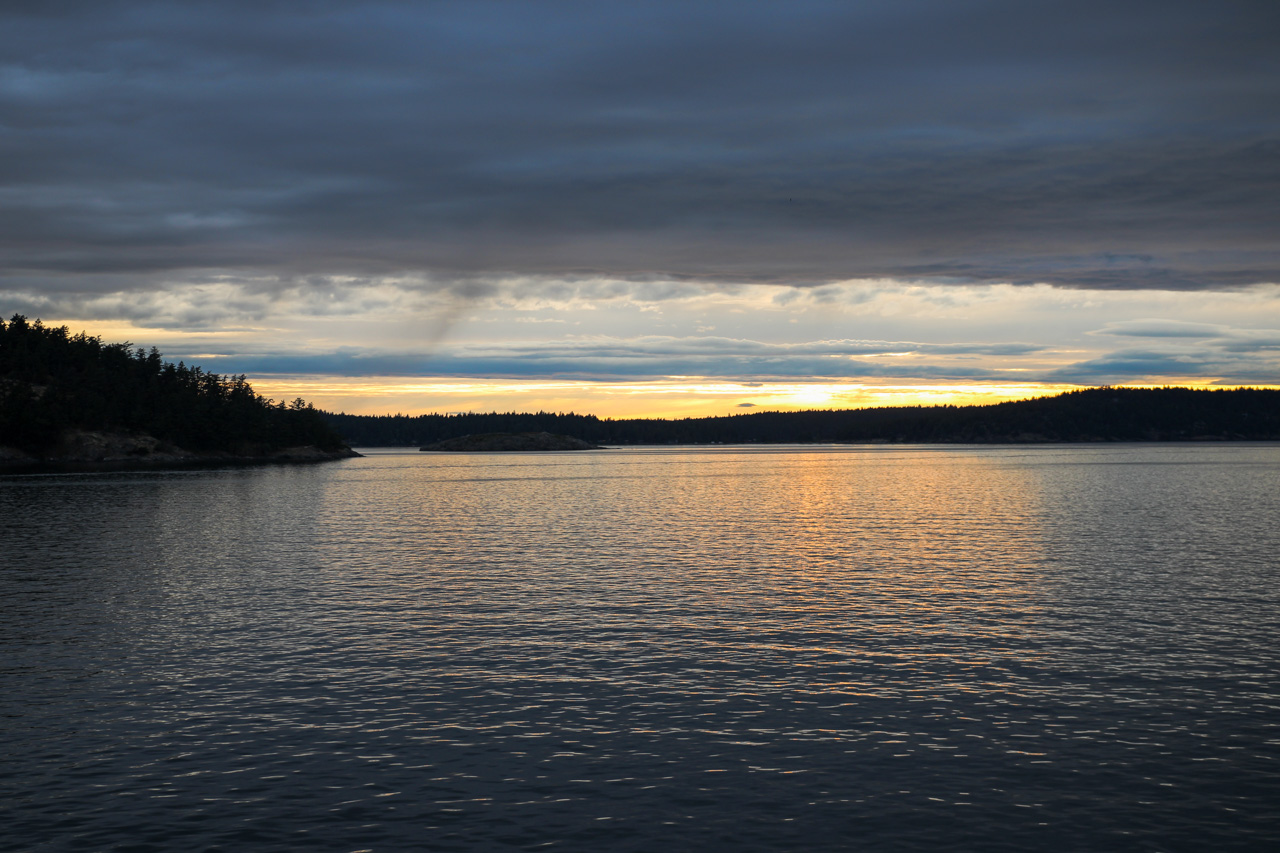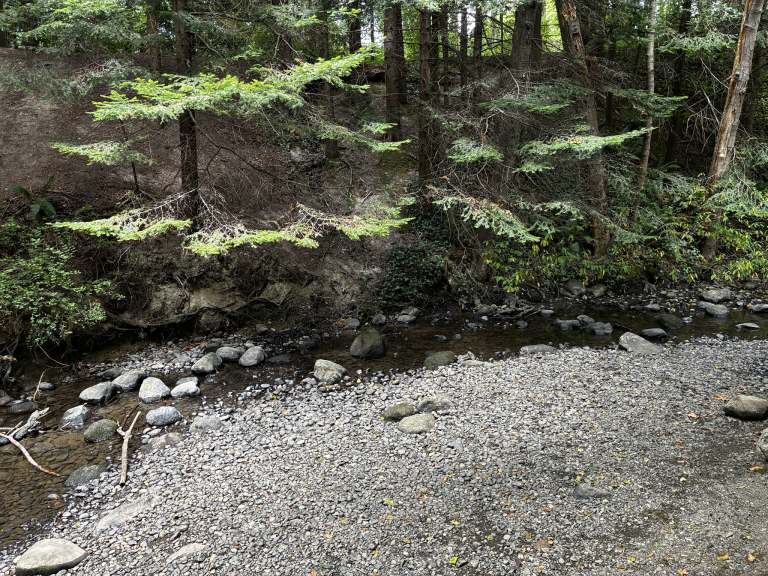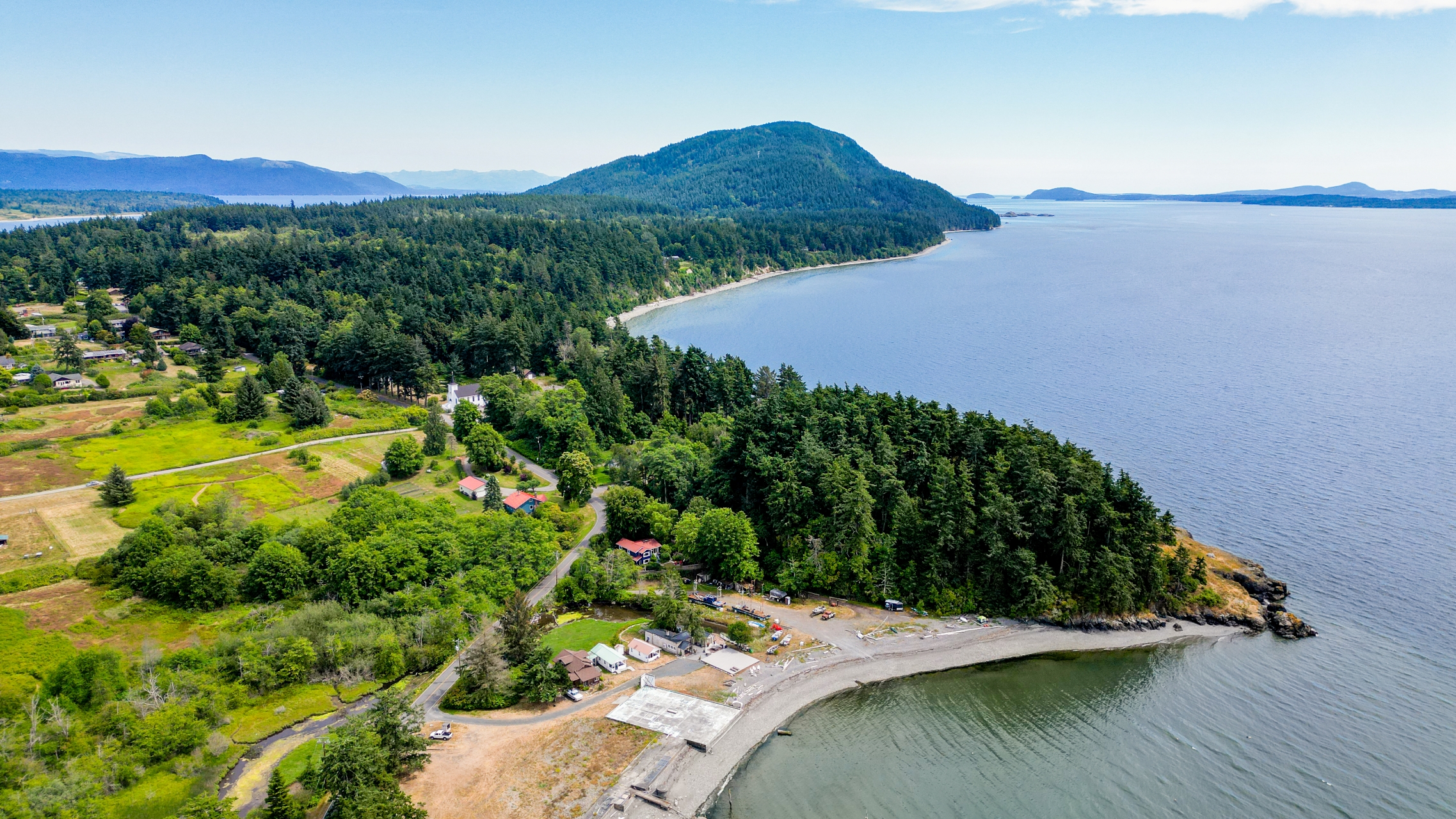
Northwest Indian College has purchased a waterfront property on Lummi Island that will become the Legoe Bay Educational Center, a permanent facility for teaching, community gatherings, retreats, and cultural events. The acquisition marks what college leaders describe as a historic full-circle moment: the new center sits adjacent to the original site of the Lummi Indian School of Aquaculture, the very program from which Northwest Indian College grew more than 50 years ago.
NWIC President Dr. Lexie Tom connected the purchase directly to the college's founding story. "The acquisition of this property in Legoe Bay, Lummi Island, is one way for Northwest Indian College to honor our past. Our past leaders dared to dream of economic prosperity at a time when many of our people didn't have hope for the future. That dream resulted in the Lummi Aquaculture project and Lummi Indian School of Aquaculture," Tom said in a statement.
A Site With Deep Historical Significance
The Lummi Indian School of Aquaculture was founded in 1973 to train Tribal members to operate fish and shellfish hatcheries. It was a practical, economically focused institution that reflected the Lummi Nation's long relationship with the waters of Puget Sound and the Salish Sea. That school eventually grew and evolved into what is now Northwest Indian College, a fully accredited tribal college serving students from dozens of federally recognized tribes across the Pacific Northwest.
NWIC's main campus is located on the Lummi Reservation, just northwest of Bellingham. The college also operates satellite sites and extended learning programs, but the Legoe Bay property represents something different: a return to the geographic and institutional roots of the college's origin. The site sits next to where the Lummi Indian School of Aquaculture once trained community members in skills that were economically and culturally vital to the Lummi Nation.
For tribal colleges, which were established across the country beginning in the 1970s to provide higher education that respected and incorporated Indigenous knowledge and governance, these kinds of connections to founding stories carry particular weight. NWIC is one of 37 tribal colleges in the United States that belong to the American Indian Higher Education Consortium.
What the Legoe Bay Educational Center Will Offer
The newly purchased property is ADA-accessible and includes multiple meeting spaces, two kitchens, two bathrooms, classrooms, and outdoor gathering areas with gardens overlooking the water. The mix of indoor and outdoor space makes it well suited for the range of uses NWIC envisions: academic classes, leadership retreats, community gatherings, and cultural events tied to Lummi Island's natural setting.
NWIC spokesperson Denver Pratt told My Bellingham Now that the college anticipates the property will be ready to host classes and educational activities around the start of winter quarter, roughly the beginning of 2027. That timeline gives the college several months to prepare the facility, which may include any necessary upgrades or outfitting for academic use.
The outdoor gathering areas and gardens overlooking the water give the center a character distinct from a traditional campus building. Lummi Island itself, accessible by ferry from Gooseberry Point on the mainland, is a small island community with a strong identity and close ties to the Lummi Nation. The educational center will be woven into that community in a way that a mainland campus facility could not replicate.
What This Means for the Lummi Island Community and NWIC Students
Lummi Island has roughly 1,000 residents and is one of the few permanently inhabited islands in Whatcom County. The island's community has historically had complex relationships with institutional development, and the presence of an educational center connected to the Lummi Nation carries cultural resonance that goes beyond the building itself.
For NWIC students, particularly those from Lummi Nation and other tribes with connections to the Salish Sea, having an educational facility on Lummi Island offers a setting for learning that connects academic content to place in a direct way. Courses on aquaculture, marine ecology, Tribal governance, or Indigenous history taught at Legoe Bay carry a different weight when they are conducted at a site adjacent to where Tribal leaders first dared to imagine an institution like NWIC.
The Northwest Indian College website provides information about enrollment, programs, and extended sites for prospective students across the region. For those interested in the history of tribal colleges in Washington state, the American Indian Higher Education Consortium maintains resources on the tribal college movement nationally. More on recent education milestones in Whatcom County, including the Lummi Island community's earlier effort to preserve its elementary school, can be found in earlier coverage of Beach Elementary School.