Ferndale residents could soon see a small but significant change to their sales tax bill. The Ferndale City Council is expected to vote Monday, September 7 on whether to adopt a 0.1% criminal justice sales tax that would add a dime to every $100 purchase made within city limits.
If approved, Ferndale would join Bellingham, Lynden, and Whatcom County, all of which have already adopted the same tax. The council voted earlier this month to postpone its final decision until the September 7 meeting, giving members and the public additional time to weigh in on what has become a contentious local issue.
What the Money Would Fund and How Much It Would Raise
Revenue from the 0.1% tax would flow to a range of public safety services, including public defense, police staffing, domestic violence advocates, and alternative response programs that connect people in crisis with mental health and social services rather than simply with law enforcement. The City of Ferndale estimates the tax would generate approximately $430,000 in its first year, with collection beginning January 1, 2027 if the council approves it.
That $430,000 matters in a city that is already anticipating significant public safety cost pressures. Ferndale estimates it will need to add at least four more police officers by 2028 to keep pace with the city's population growth. Adding officers is among the most expensive investments a municipality can make, given the combination of salary, benefits, training, equipment, and ongoing costs involved. The tax revenue would contribute to those costs without requiring deeper cuts elsewhere in the city budget.
The Washington State Legislature created the authority for eligible cities to adopt this tax without a public vote in 2025. That provision has generated controversy in some communities, including Ferndale, where some residents and at least one council member have expressed discomfort with adopting a tax increase without putting it directly to voters.
Where the Council Stands
Councilmember Ryan O'Larey has been the most vocal skeptic on the council. At the August 17 meeting, he said he had heard from an "overwhelming" number of residents who oppose the tax and that he would at most support putting the question to voters in an advisory vote.
"We all agree at this point that we have major financial budget problems and I think we owe it to the community to make sure that we've had those really, really tough discussions first before increasing the taxes on the community," O'Larey said at the meeting.
State law, however, does not allow the tax to go to voters until June 2028. That timing constraint has sharpened the debate: council members who want the revenue sooner must adopt it now through a council vote, while those who want voter input must either wait or forgo the tax entirely until 2028.
Councilmember Herb Porter made a straightforward argument for adopting the tax promptly. He pointed out that Ferndale residents are already paying the tax when they shop within city limits, because Whatcom County has already adopted it. But the county collects that revenue, not the city. "Whether you realize it or not, every time you go to Haggen or the Dollar Store or Walgreens, every time you make a purchase within Ferndale, you're already paying it," Porter said. "But like the mayor well said, we're not benefitting from it."
The Broader Context Across Whatcom County
Ferndale is the last major Whatcom County municipality still deliberating on the tax. The City of Bellingham adopted it, as did Lynden and Whatcom County itself. Skagit County has also adopted the tax. The staggered adoption across jurisdictions means that in many cases, residents are already effectively paying the tax on purchases in their county without their specific city government seeing any of the benefit.
The public safety funding pressures driving interest in this tax are real and widespread. Whatcom County communities are growing, demands on police and courts are increasing, and the costs of operating public safety systems have risen significantly faster than general municipal revenues in recent years. The 0.1% tax is a modest but direct response to those pressures, structured to avoid appearing on a ballot where it might face rejection from voters who are skeptical of any tax increase regardless of its purpose.
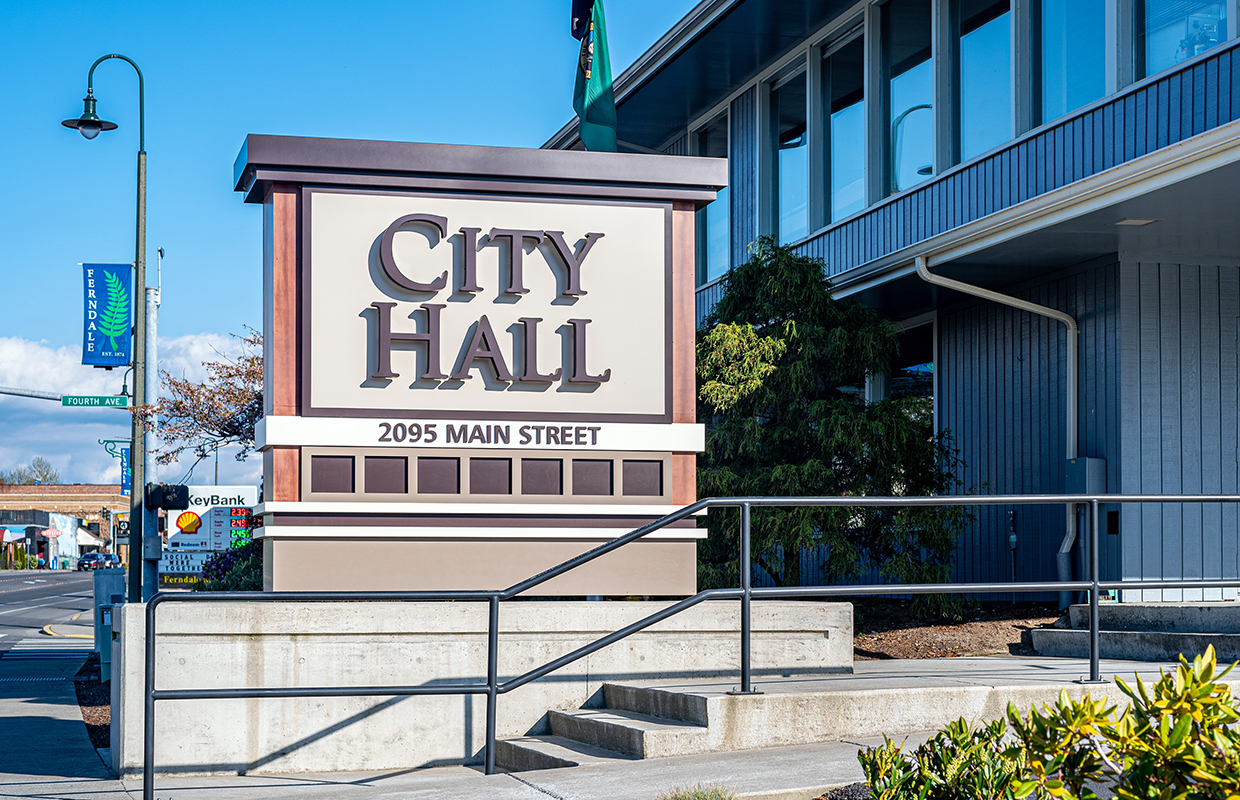
Ferndale residents who want to weigh in before the September 7 vote can attend the council meeting in person at Ferndale City Hall at 2095 Main Street, or contact council members through the city's website. Public comment is typically accepted at the start of council meetings. The meeting agenda and any supporting materials will be posted on the city's website before the meeting. For more on civic decisions affecting Whatcom County residents this fall, see coverage of how Whatcom County is planning its new jail facility on Hannegan Road.