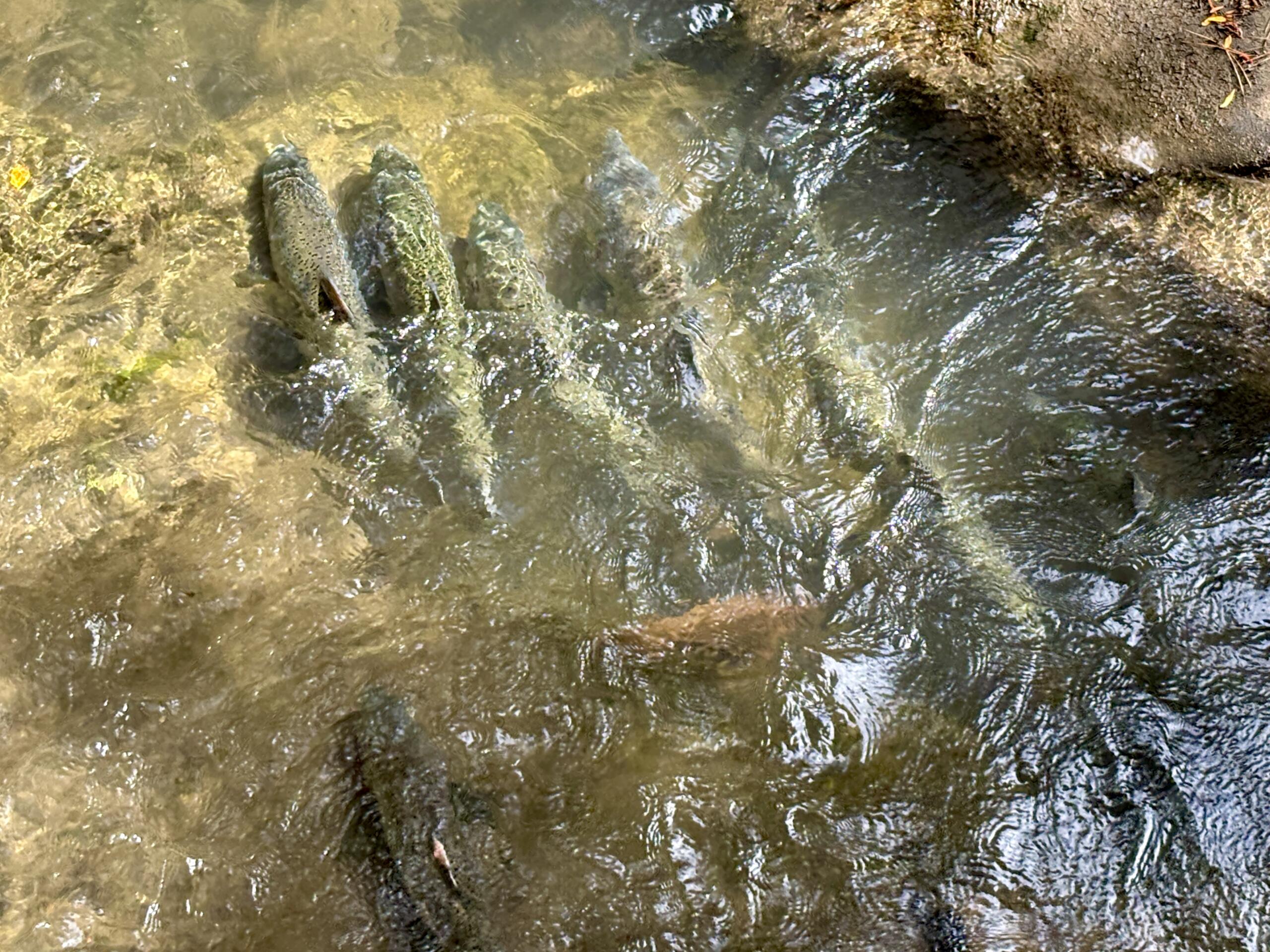
Hatchery chinook salmon are returning to Bellingham Bay and lower Whatcom Creek, with fishery managers forecasting a run of more than 7,000 fish this year. The annual fall return brings one of the most visible and ecologically significant wildlife events in the Bellingham area directly to the city's backyard.
The chinook typically begin arriving in late August and early September, after the first fall rains raise creek water levels enough to signal to returning fish that it is time to move. This year's run is now underway, and Maritime Heritage Park in downtown Bellingham offers some of the best public viewing opportunities in the county.
A Partnership That Has Kept the Run Going
The hatchery chinook program that brings salmon back to Whatcom Creek is the product of a long-running multi-agency partnership. The City of Bellingham works alongside Bellingham Technical College, the Washington Department of Fish and Wildlife, the Northwest Indian Fisheries Commission, the Lummi Nation, and the Nooksack Indian Tribe to maintain the program that raises and releases hatchery fish.
Bellingham Technical College plays a distinctive role in this partnership, operating the hatchery as part of its aquaculture and environmental science programs. Students at BTC gain hands-on experience raising chinook smolts, which are released into Whatcom Creek to imprint on the local water chemistry before migrating to the ocean. When those fish return as adults two to four years later, they follow that chemical memory back to Whatcom Creek, completing a cycle that supports both the educational mission of the college and the ecological and cultural goals of the tribal and conservation partners involved.
The Washington Department of Fish and Wildlife provides hatchery expertise and regulatory oversight for the program, while the Northwest Indian Fisheries Commission, the Lummi Nation, and the Nooksack Indian Tribe bring treaty fishing rights and deep knowledge of local fisheries to the partnership. These tribal nations have treaty rights to harvest salmon in Whatcom County waters, and the hatchery program supports those rights by maintaining fish populations that would otherwise be too low to sustain meaningful harvest.
Why These Salmon Matter Beyond the Numbers
The 7,000-plus chinook forecast for this year's Bellingham Bay return are not just interesting to watch from a bridge. They serve multiple interconnected ecological and social functions that make the run one of the most important recurring events in Whatcom County's natural calendar.
Hatchery chinook from programs like this one are a critical food source for the Southern Resident killer whales, the iconic population of orca that ranges along the Pacific Coast from Northern California to British Columbia. The Southern Residents are listed as endangered under the Endangered Species Act, and inadequate chinook salmon availability has been identified as one of the primary threats to their survival. Every returning chinook that enters Puget Sound and Bellingham Bay adds to the food supply that these whales depend on, making the Whatcom Creek run a small but meaningful contribution to the broader effort to prevent the loss of this population.
Returning salmon also carry marine-derived nutrients from the ocean into freshwater ecosystems. Salmon carcasses that decompose in and along streams fertilize riparian vegetation and feed everything from bears and eagles to insects and the aquatic invertebrates that young salmon rely on. In an urban creek like Whatcom Creek, which flows through Bellingham before entering the bay, the annual return is a reminder that wild ecological processes can function even in heavily developed settings when communities invest in maintaining them.
Where to Watch and What to Expect
Maritime Heritage Park, located in downtown Bellingham along Whatcom Creek, is the best public viewing spot for the salmon run. The park is designed with fish observation in mind, with bridges and paths that bring visitors close to the creek without disturbing the fish. In years with good returns, visitors can stand at the bridges and watch large chinook holding in pools or working their way upstream.
The fish are typically most active in the mornings and evenings, and viewing is best when the water is clear rather than turbid from rain. As fall rains arrive and creek levels rise, water clarity can decrease, making the first weeks of the return, typically September, the best window for clear-water viewing.
Eagles and herons are often visible in the park during the salmon run, drawn by the abundance of food. The park also connects to the broader Whatcom Creek trail corridor, which allows visitors to follow the creek upstream from the bay and experience the transition from saltwater to freshwater habitat.
The City of Bellingham's parks department manages Maritime Heritage Park, and the City of Bellingham website has information about park access and hours. No tickets or reservations are required to visit. For those interested in the aquaculture and conservation work behind the run, Bellingham Technical College occasionally hosts public events related to its hatchery program, and the college's website is the place to look for announcements. For more on local environmental and conservation stories, see coverage of bumblebee research happening right now along the Nooksack.