When the Bellingham waterfront redevelopment was first introduced to the public, it carried a vision that was hard to resist: a once-industrial shoreline reimagined as a walkable, locally rooted district where small businesses, residents, and visitors could thrive together along Bellingham Bay. Years later, some of the businesses that bet on that vision say the pace of delivery is straining their patience and their finances.
Elizabeth Azzara, owner of Honey Salon and a tenant in the historic Granary Building at the gateway to the Waterfront District, published a guest commentary this week laying out the frustrations shared by many of her fellow tenants. Her account offers a street-level view of what it actually costs to invest in a long-term civic project when the timeline keeps shifting.
What Businesses Were Promised
Azzara has run Honey Salon in Bellingham for 18 years. During that time, she says, the business has trained and graduated 15 apprentices through Washington's state-certified apprenticeship program, with four more currently working toward their licenses. The salon is not just a business; by her account, it is a workforce development operation embedded in the local economy.
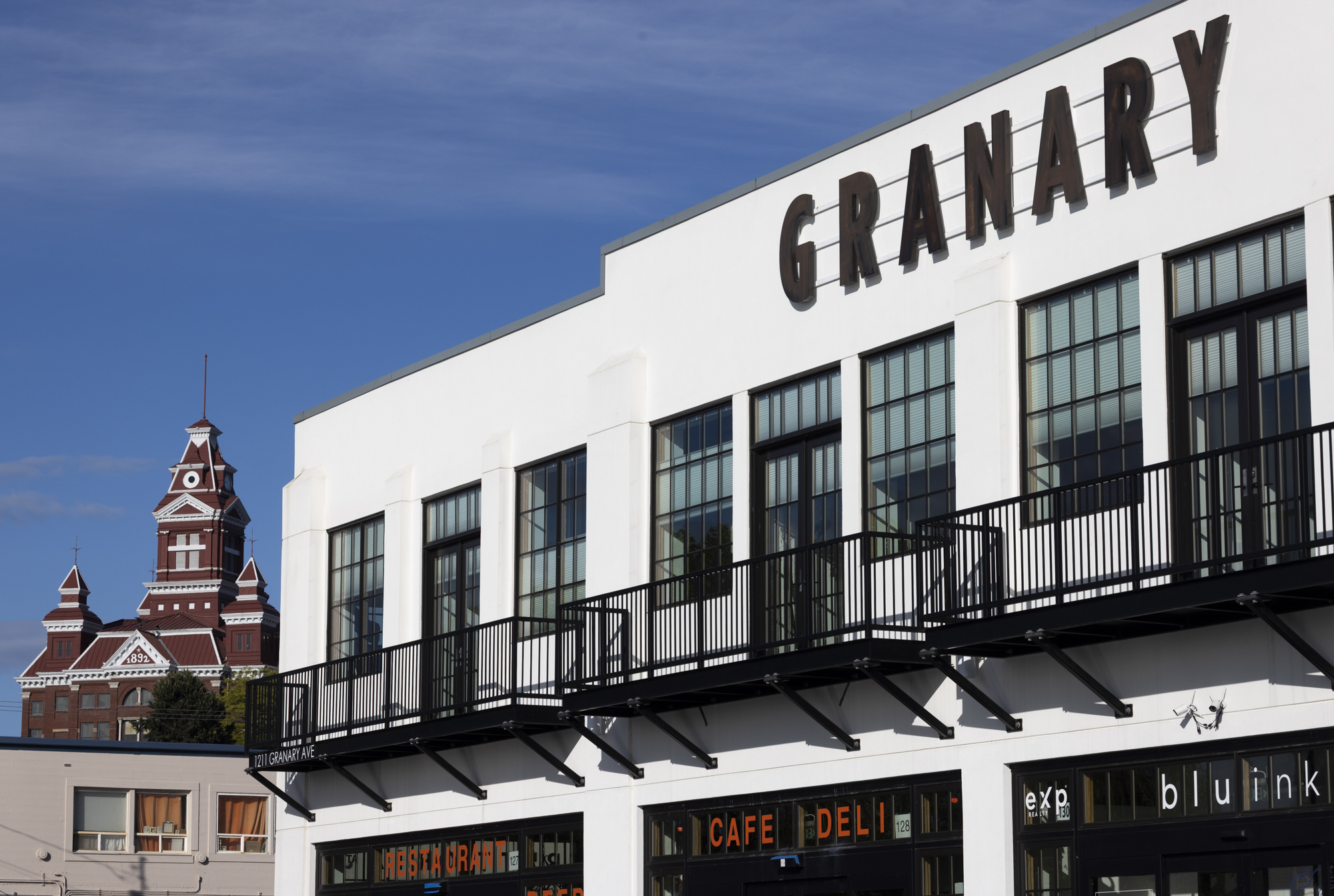
In 2020, Azzara chose to relocate Honey Salon to the Granary Building because she believed in the waterfront's future. She and other tenants invested significant resources in their spaces, hired local employees, and helped transform what had been an empty six-story industrial building into a functioning destination. Restaurants, retailers, artists, wellness providers, and professional offices all made similar moves, drawn by the promise of the district taking shape around them.
"We were not alone," Azzara writes. "Together, we helped create the vibrant atmosphere that the redevelopment promised."
That investment, she argues, was made in good faith on the basis of a city-endorsed vision. The businesses did their part. Now, they are waiting for the surrounding infrastructure, amenities, and public investment to catch up.
The Reality on the Ground
The Bellingham Waterfront District has been in planning and development phases for well over a decade. The former Georgia-Pacific pulp mill site, one of the largest waterfront redevelopment projects in the Pacific Northwest, spans roughly 237 acres along Bellingham Bay. The remediation of industrial contamination alone took years and involved state and federal environmental oversight.
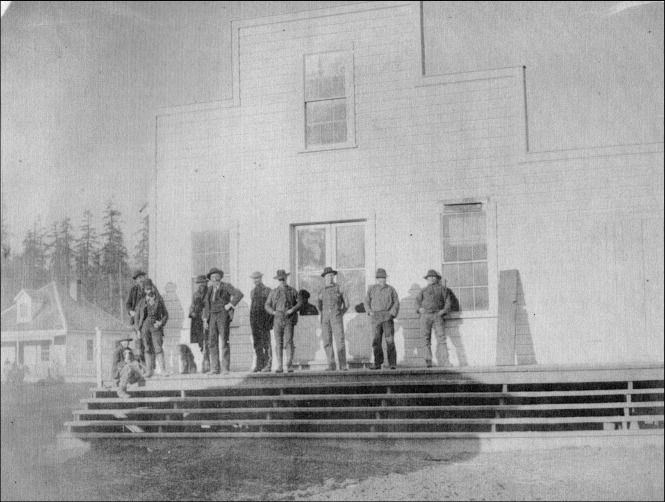
The Granary Building itself, a six-story structure dating to the early industrial era of the waterfront, was repurposed into commercial and creative space as one of the early visible signs that the district was becoming something. Its tenants moved in expecting to be pioneers in a rapidly maturing neighborhood.
What Azzara and others describe is a gap between that pioneer energy and the pace of the broader development around them. Foot traffic, infrastructure, and the public amenities that were supposed to draw visitors to the district have materialized more slowly than the original vision suggested. For businesses that made long-term lease commitments and renovation investments based on projected timelines, every month of slower-than-expected progress has a real cost.
The frustration is not unique to Bellingham. Waterfront redevelopment projects of this scale are notoriously complex, involving environmental cleanup requirements, competing ownership interests, financing gaps, and the sheer difficulty of building out public spaces and private development simultaneously. Cities from Seattle to Cleveland have seen similar projects stretch timelines and test the patience of early investors.
What Tenants Are Asking For
Azzara's commentary is not a call to abandon the waterfront vision. It is an appeal for the city to reaffirm its commitment to that vision with concrete action and clear communication. Businesses like Honey Salon did not move to the Granary Building expecting certainty; they moved there expecting a partner in the city that would keep the project moving and keep tenants informed about what to expect.
What she and fellow tenants are asking for, at minimum, is transparency. When will specific phases of the development be complete? What is the current timeline for the public spaces, trails, and amenities that were supposed to surround the Granary Building? What mechanisms exist for tenants to raise concerns directly with the Port of Bellingham and the city?
The Port of Bellingham is the primary master developer for the Waterfront District, working in coordination with the city on zoning, infrastructure, and phasing. The Granary Building is one of its flagship adaptive reuse projects. How the Port responds to the concerns raised by tenants this week will say a great deal about how seriously it takes the relationship between the project's institutional ambitions and the businesses that showed up early to help make it real.
Why This Matters for the Broader Waterfront Future
The stakes here go beyond Honey Salon and its neighbors. The Bellingham Waterfront District is one of the most consequential development projects in the city's recent history. Done well, it adds housing, jobs, public access to the bay, and a genuine mixed-use neighborhood to a city that badly needs all of those things. Done poorly, or allowed to drag on without clear accountability, it risks losing exactly the kind of locally owned, community-embedded businesses that make a district worth visiting in the first place.
Azzara's commentary lands at a moment when the city is also weighing other major decisions about housing incentives and development frameworks, including a recent public hearing on affordable housing zoning proposals that will shape how density grows in neighborhoods across Bellingham. The waterfront is one piece of a larger puzzle.
For residents who want to see the Granary Building and the surrounding district succeed, the most useful thing right now may be to show up: as customers, as voices at public meetings, and as people who hold the city and the Port accountable for the commitments they made when they invited businesses like Honey Salon to plant their flags on a former industrial shoreline and wait for the rest of the city to catch up.
More information about the Waterfront District's current phasing and development schedule is available through the Port of Bellingham's website.