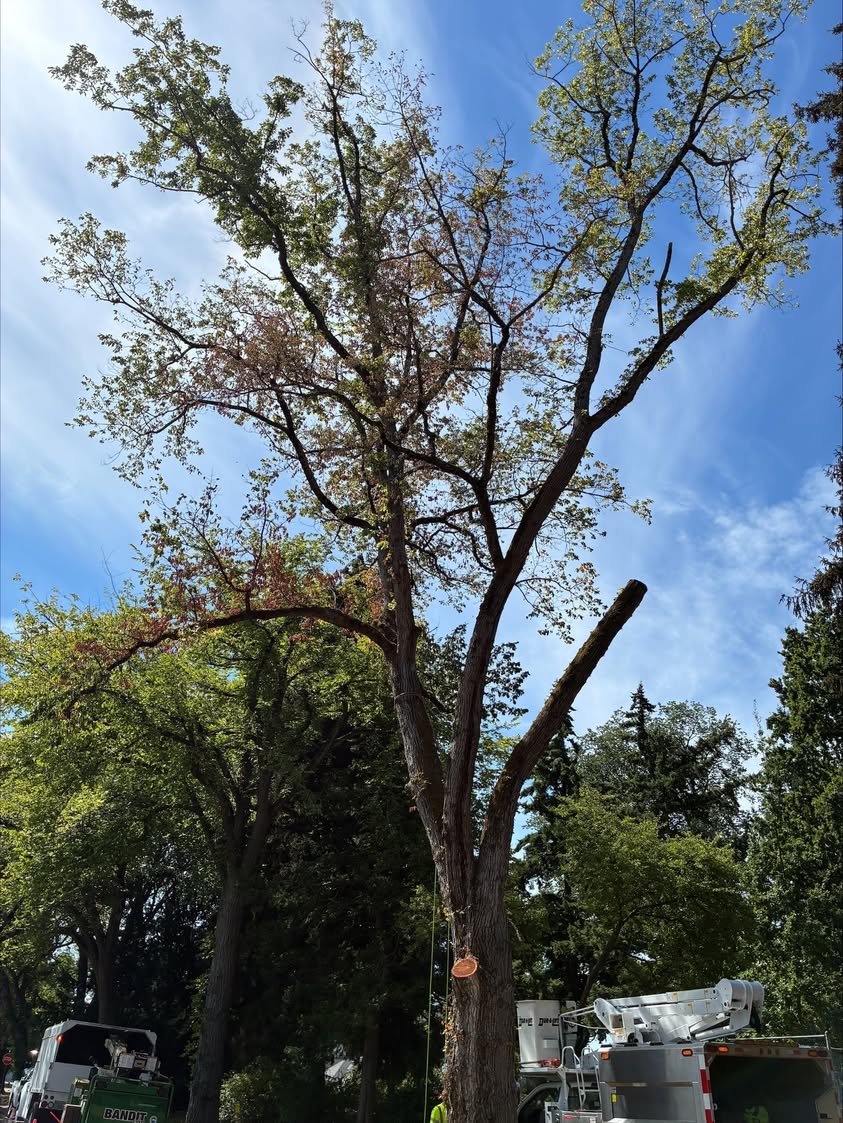
The City of Bellingham began emergency tree removals at Elizabeth Park on Monday, August 11, cutting down three elm trees along Elizabeth Street after inspectors discovered they were infested with European elm bark beetles. Crews expected to finish the work by Tuesday. The move is aimed at preventing the beetles from spreading to the rest of the park's elm canopy before treatment options are exhausted.
Why the Trees Had to Come Down
European elm bark beetles are a destructive invasive pest known for transmitting Dutch elm disease, a fungal infection that moves rapidly through an elm tree's vascular system, cutting off water and nutrients and causing branches to wilt and die within weeks. Once a tree is infested, there is no recovery pathway. Immediate removal of affected trees is the only reliable method of preventing the fungus from jumping to neighboring elms, according to both the City of Bellingham and standard arboricultural practice.
Dutch elm disease devastated elm populations across North America throughout the 20th century, wiping out tens of millions of trees in the United States and Canada after the beetles and the fungus arrived from Europe in the 1930s. Many American cities that once had grand elm-lined boulevards lost them entirely. Bellingham's urban forestry program has worked for years to monitor its elm population and catch infestations early, making the swift response at Elizabeth Park consistent with that approach.
The three trees removed were located along Elizabeth Street, one of the park's primary pedestrian corridors. City crews and Bellingham Parks and Recreation staff both confirmed the removal work was underway, with both departments posting notices to keep neighbors informed about what was happening and why.
About Elizabeth Park
Elizabeth Park is one of Bellingham's older neighborhood parks, located in the Sehome neighborhood on the city's south side. The park features mature trees that form a significant portion of its character, providing shade, wildlife habitat, and visual appeal for the surrounding residential streets. Elm trees are a notable part of the park's canopy, and the city has been proactive about monitoring them given the ongoing risk of bark beetle spread across the Pacific Northwest.
The park borders Elizabeth Street between South State Street and Forest Street, a residential area with a mix of single-family homes and apartment buildings. Neighbors reported noticing city crews and equipment in the park Monday morning before the official announcement was made.
Preventative Measures and What Comes Next
City officials noted that beyond the emergency removals, preventative measures are also being taken to protect the remaining elm trees in the park. Those measures were not detailed in the initial announcement, but preventive treatments for Dutch elm disease typically include fungicide trunk injections, which can suppress the spread of the pathogen in healthy trees, as well as careful pruning to remove any branches showing early signs of wilt.
The U.S. Forest Service recommends that communities with elm populations conduct annual monitoring and remove infected material promptly during the beetle's active season, which runs primarily from spring through late summer. The timing of the Elizabeth Park discovery, in mid-August, falls within that active window, making speed especially important.
The city's urban forestry program also follows guidelines from the International Society of Arboriculture on managing pests and diseases in public trees. Residents who notice wilting or yellowing branches on elm trees elsewhere in Bellingham, a symptom known as flagging, are encouraged to report it to the Parks and Recreation department so crews can assess the situation before any potential infestation progresses.
The removals at Elizabeth Park are a reminder that Bellingham's urban tree canopy, one of the qualities that makes the city's neighborhoods distinctive, requires constant attention and sometimes difficult decisions to preserve. Losing three trees now to save dozens more is the calculus the city made this week, and it is one that urban foresters say is essential once bark beetles are confirmed in a location.