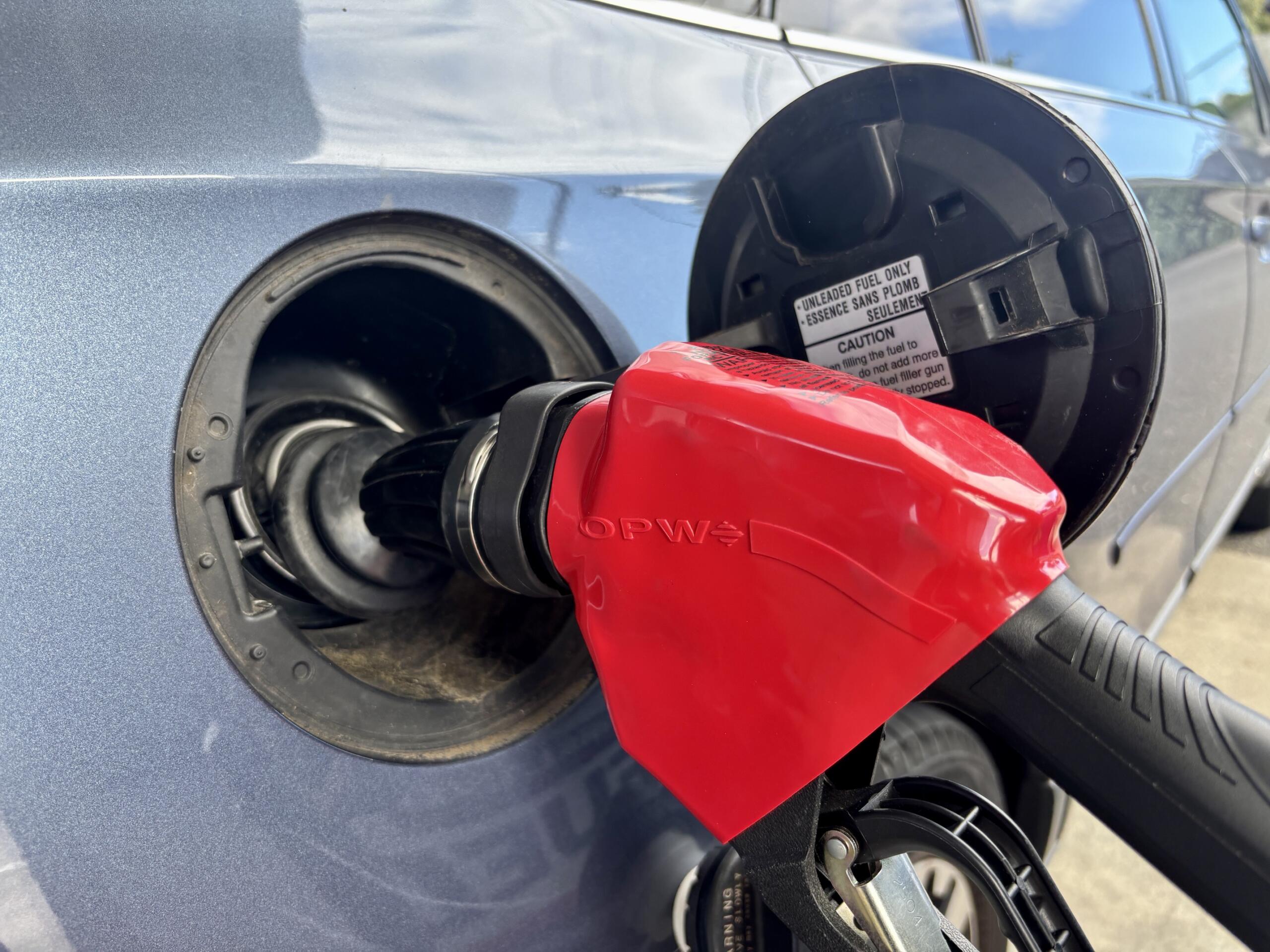
Drivers in Bellingham and across Washington state are paying noticeably more at the pump this week, with prices climbing sharply due to a combination of geopolitical tensions affecting global oil markets. The increase comes after a brief period of relative stability, and analysts say further increases are possible in the days ahead depending on how international tensions develop.
What Drivers Are Paying Right Now
In Bellingham, AAA data show the average price for a gallon of regular gasoline has risen to $4.93, an increase of more than 13 cents from the previous week. That puts Bellingham slightly below the statewide average but well above the national figure. Across Washington state, GasBuddy reports the average price of regular gasoline climbed 10.5 cents over the past week to $5.06 per gallon. Prices remain about nine cents lower than they were a month ago, but are more than 72 cents higher than the same time last year.
Nationally, the average price for regular gasoline rose nearly 11 cents to $4.06 per gallon, meaning Washington drivers are paying roughly a dollar more per gallon than the typical American motorist. That gap reflects a combination of Washington's carbon pricing policies, higher state fuel taxes, and the cost of transporting refined fuel to the Pacific Northwest. The state has no major oil refining hub of its own at the scale of Gulf Coast operations, and finished gasoline must travel significant distances from refineries in the Puget Sound area or be imported, adding logistical cost that is ultimately passed to the consumer.
For context, a year-over-year increase of more than 72 cents per gallon is substantial. A driver filling a 15-gallon tank every week will pay roughly $560 more over the course of a year compared to this time in 2025, an amount that adds up quietly but consistently across a household budget. For commuters, delivery workers, and anyone whose livelihood depends on driving, these are not abstract numbers.
Why Prices Are Climbing
GasBuddy petroleum analyst Patrick De Haan attributed the recent increases to a cluster of international events putting simultaneous pressure on oil markets. "Average gasoline and diesel prices rose in nearly every state over the last week, as continued escalations between the U.S. and Iran, renewed Houthi attacks in the Red Sea and fresh Ukrainian strikes on Russian oil refineries combined to keep upward pressure on both crude and refined product markets," De Haan said.
The Red Sea disruptions have added shipping costs and uncertainty to global fuel supply chains since late 2023, and any escalation of those attacks tends to push crude oil prices higher almost immediately. Houthi attacks on commercial shipping in the Red Sea have forced many tankers to reroute around the Cape of Good Hope, adding weeks and thousands of miles to voyages that previously transited the Suez Canal. That rerouting raises the cost of moving oil from Middle Eastern producers to European and Asian refiners, rippling through global prices in ways that eventually reach the pump in Bellingham.
Russian refinery disruptions affect the global supply of refined products like diesel and gasoline, adding another layer of upward pressure independent of crude prices. Even if crude oil prices hold steady, damage to refining capacity in major producing countries can tighten the supply of finished products and push pump prices higher. The combination of crude price pressure from geopolitical tension and refined product pressure from refinery disruptions is a particularly unfavorable mix for consumers.
De Haan offered a cautious note of relief for the short term: a pullback in hostilities over the weekend caused oil prices to open sharply lower on Sunday, suggesting the pace of increases at the pump may slow. "For now, motorists should expect prices to remain elevated, but the intensity of further gains will depend heavily on how the geopolitical situation develops in the coming week," he said.
What This Means for Whatcom County Commuters
For Whatcom County residents who commute within the county or across the border into British Columbia, the price increase arrives at an inconvenient time. Summer is peak travel season, with more road trips, recreational driving, and cross-border shopping trips than any other time of year. A full tank of gas in an average sedan in Bellingham now costs around $74 to $80 depending on tank size, compared to roughly $67 to $72 a year ago.
Washington's gasoline prices tend to be among the highest in the continental United States, consistently ranking in the top five states alongside California, Oregon, Nevada, and Hawaii. The state's combination of a high gas tax, cap-and-trade carbon pricing under the Climate Commitment Act, and geographic isolation from major refining centers on the Gulf Coast all contribute to the premium Washingtonians pay compared to most Americans. The Climate Commitment Act, which requires large emitters to purchase allowances for their greenhouse gas emissions, adds a cost that refiners and fuel distributors pass along to retail customers, an amount that has been a recurring point of political debate in Olympia.
Cross-border shoppers in Whatcom County who drive to Bellingham from points north may find that the gap between American and Canadian gas prices shifts depending on the exchange rate and provincial taxes in British Columbia, but both sides of the border are feeling the effects of the same global crude market this week.
For the most current prices at stations across Bellingham and Whatcom County, GasBuddy's Bellingham price tracker is updated in real time by users. AAA's Washington state gas price page also provides daily averages and trend data. Both tools can help drivers identify the lowest-priced stations in their area and decide when to fill up. Prices at Bellingham's busier stations along Meridian Street and Guide Meridian tend to move in sync with regional trends, typically adjusting within a day or two of broader market shifts.
If the geopolitical situation stabilizes and oil prices hold at lower weekend levels, analysts expect pump prices to begin reflecting that relief within five to seven business days, given typical refinery-to-pump lag times. Whether that happens will depend on how tensions in the Middle East and Ukraine develop in the coming week. For more on local transportation and road conditions around Whatcom County this week, see the latest road update for current project and closure information.