A ballot measure that would ban landlords in Bellingham from using algorithmic rent-pricing software has qualified for the November ballot, and the Bellingham City Council faces a decision by July 27 on whether to adopt it directly, send it to voters, or reject it and propose an alternative. If the council takes no action by that deadline, the initiative goes on the ballot automatically.
The measure, Initiative 26-01, was brought forward by Community First Whatcom. The group submitted roughly 5,700 signatures, which the Whatcom County Auditor's Office certified on July 2. The initiative would prohibit landlords from using software systems that analyze vacancy rates, seasonal trends, and local demand to generate rent recommendations.
Now a former Washington State legislator is publicly arguing that the measure, while well-intentioned, will not lower a single rent check, and may actually distract from the policy changes that would.
What Algorithmic Pricing Software Actually Does
The software targeted by Initiative 26-01 works by aggregating real-time data on local rental market conditions and providing landlords with recommended rents based on what comparable units in the area are currently commanding. Critics have argued that when multiple landlords in the same market use the same software, the result can function like informal price coordination, pushing rents higher across the board even without explicit collusion.
That concern animated a Department of Justice investigation into RealPage, a major provider of such software, and generated national media attention over the past several years. Bellingham's initiative follows similar measures considered in Seattle and other cities.
However, Kevin Van De Wege, who served in the Washington State Legislature for 18 years, including in the Senate from 2017 to 2024 and in the House from 2007 to 2017, argued in a commentary published by Salish Current that the case against the software is weaker than its opponents suggest. He cited a study finding that landlords who adopted this type of pricing software during the 2009-2010 recession actually lowered rents and filled more units than comparable landlords who did not use it.
Van De Wege's argument is that banning the software does not remove the underlying market forces driving rents higher. Landlords motivated to maximize revenue will simply do so with less data and less transparency, using leasing agents and gut instinct rather than automated recommendations.
What Washington Has Already Done on Housing
Van De Wege pointed to two recent pieces of state legislation as examples of the kind of action that actually moves the needle on housing costs.
House Bill 1217, passed last year, caps annual rent increases statewide and gives tenants new protections against junk fees and short notice. House Bill 1110, passed in 2023, legalized duplexes, triplexes, and fourplexes in neighborhoods that previously allowed only single-family homes, a direct supply-side intervention in a supply-constrained market. The Washington State Legislature's bill tracker allows anyone to read the full text of both measures and track their implementation.
Washington's affordability crisis is documented and serious. Rents in the state run well above the national average, and the legislature itself has acknowledged the state needs more than one million new homes by 2044 just to keep pace with projected demand. Bellingham has felt that pressure acutely, with vacancy rates that have historically run below five percent and rents that have increased significantly over the past decade.
The Council's Choices and What Comes Next
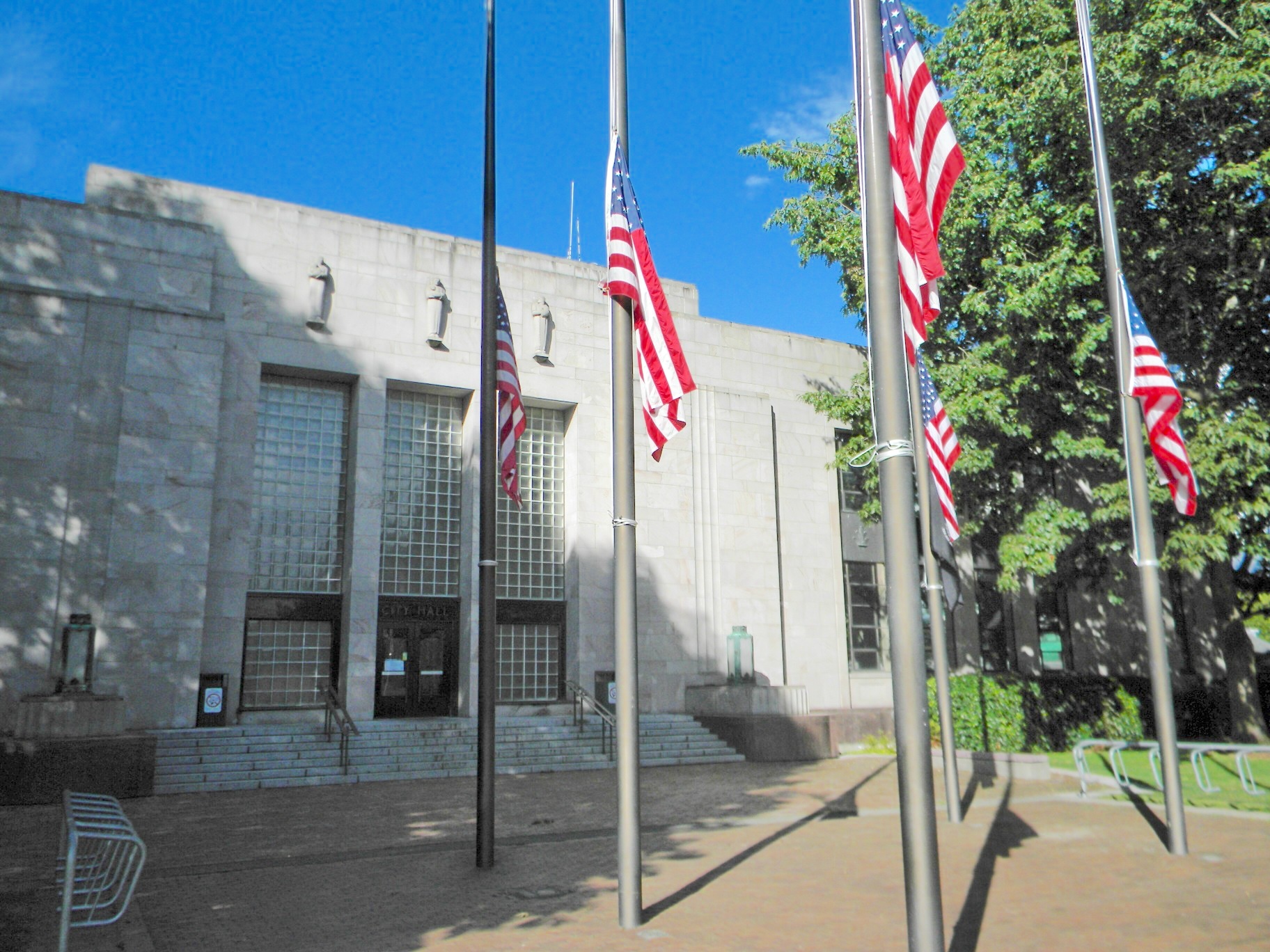
The Bellingham City Council's July 27 deadline puts the decision at the center of a broader civic conversation about what local government can and should do to address housing affordability. The council has several options: adopt Initiative 26-01 as written, which would enact the ban without a public vote; send it to voters in November; or reject it and propose an alternative measure, which would also go to voters.
If the council takes no action, the initiative goes to the November ballot automatically. Either way, Bellingham voters are likely to weigh in on the question before the end of 2026.
Community First Whatcom, the group behind the measure, has argued that corporate landlords have accumulated too much power over renters and that the software enables a form of coordination that drives rents above what a competitive market would otherwise produce. Van De Wege acknowledged that concern as legitimate while arguing the proposed remedy falls short.
The debate reflects a larger tension in housing policy between measures that are politically achievable at the local level and those that would have the most direct impact on housing supply and cost. Zoning reform and construction cost reduction are slower and harder to communicate to voters than a ban on a specific piece of technology, but they address the fundamental constraint: Bellingham does not have enough homes for the people who want to live here.
For residents who want to follow the council's deliberations, meeting agendas and public comment information are available through the City of Bellingham's official website. Public comment periods at council meetings allow residents to weigh in directly before any formal vote. For additional context on the broader statewide housing picture, the Washington State Department of Commerce publishes regular housing needs assessments at commerce.wa.gov.