A Kenmore Air seaplane carrying 10 passengers and a pilot went down in Shallow Bay near Sucia Island in the San Juan Islands on the evening of Thursday, July 23, 2026, triggering a major multi-agency rescue response and leaving multiple people hospitalized, including at PeaceHealth St. Joseph Medical Center in Bellingham. All 11 people aboard survived the crash and resulting fire, and by Friday afternoon the pilot had been released from the hospital, though three passengers remained in care.
Kenmore Air canceled all of its scheduled flights on Friday, July 24, in the immediate aftermath of the accident as the airline cooperated with investigators and assessed its fleet. The National Transportation Safety Board is leading the investigation into what caused the de Havilland DHC-3 Otter to go down.
What Happened
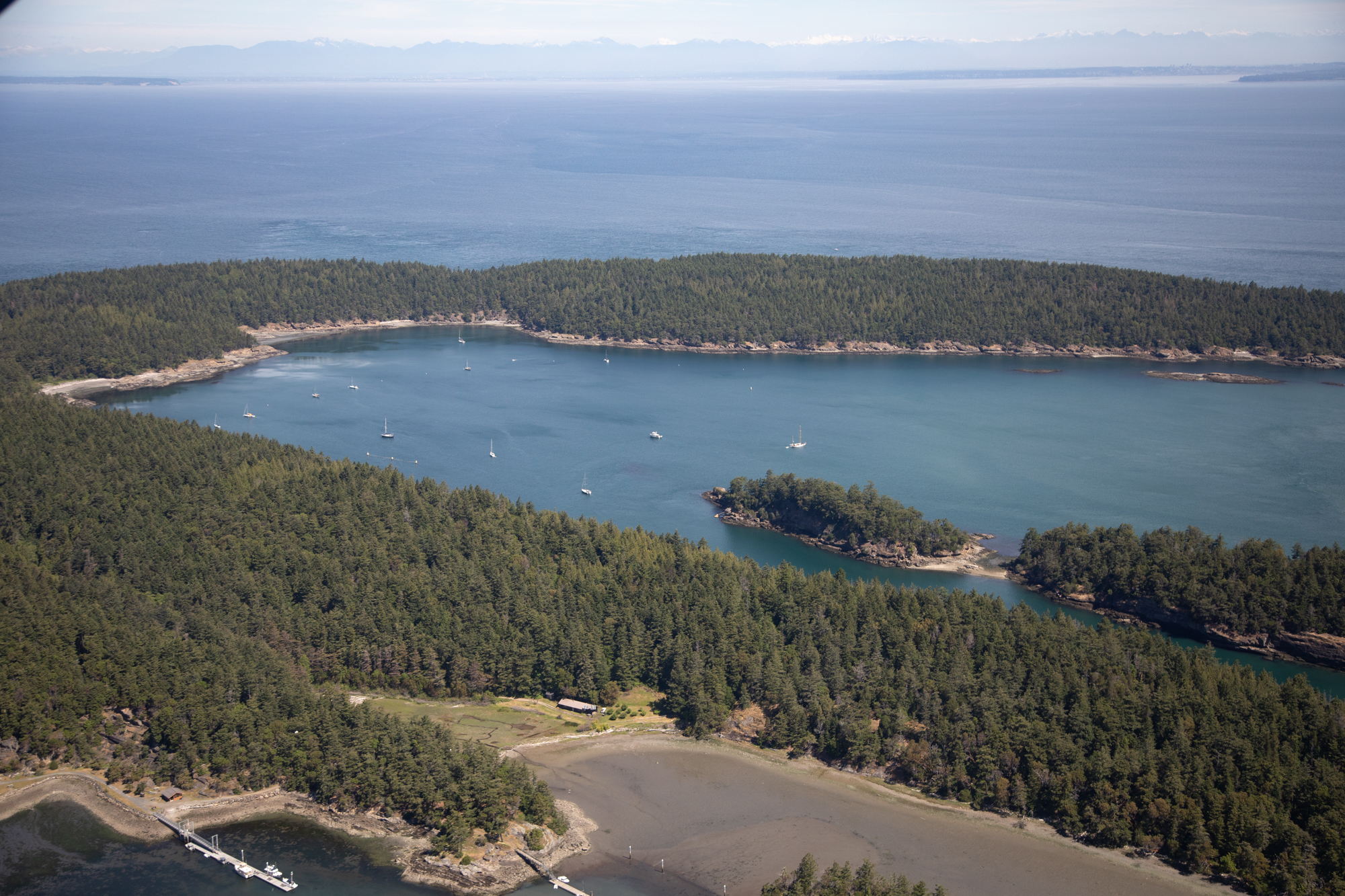
The Kenmore Air aircraft, registered as N709KA, took off from Lake Union in Seattle around 4:30 p.m. Thursday and was bound for Roche Harbor on San Juan Island. At approximately 5:15 p.m., the plane made an emergency landing in Shallow Bay near the entrance to Sucia Island, a popular state marine park in the northern San Juans. The aircraft caught fire after hitting the water and came to rest against rocks on Sucia Island's shoreline.
A weather system was in the area at the time of the flight, and Kenmore Air said in a statement that the pilot adjusted the flight path in response to that weather. The airline was careful to note that any determination about whether weather contributed to the crash will come from the NTSB investigation rather than from the company's own assessment. The Federal Aviation Administration has also been notified.
The aircraft's maintenance records show it was current on all required inspections. Its last 100-hour inspection was completed June 25, 2026, and its last annual inspection was completed January 26, 2026. Kenmore Air provided those details proactively in its public statement, likely to address questions about whether mechanical failure was a factor. The NTSB's investigation will examine maintenance records, weather data, air traffic communications, and physical evidence from the wreckage.
The Rescue Response
The response to the crash involved a significant cross-border effort. Among the agencies that responded were U.S. Coast Guard Station Bellingham, U.S. Coast Guard Air Station Port Angeles, U.S. Coast Guard Cutter Osprey, U.S. Coast Guard Sector Puget Sound, U.S. Naval Air Station Whidbey Island, Canadian Coast Guard Ship Siyay, Washington Department of Fish and Wildlife, San Juan County Sheriff's Office, San Juan County Office of Emergency Management, Orcas Island Fire and Rescue, Airlift Northwest, and British Columbia Air Ambulance. Private boaters in the area also assisted, with the U.S. Coast Guard crediting "numerous good Samaritan vessels" with helping in the initial rescue.
Six of the rescued passengers were transported to PeaceHealth St. Joseph Medical Center in Bellingham, the region's primary trauma hospital. Four others went to PeaceHealth Peace Island Medical Center in Friday Harbor. The pilot was taken to Skagit Valley Hospital. One person was in critical condition as of Thursday evening, and multiple passengers suffered head injuries, broken bones, and lacerations, according to the San Juan County Sheriff's Office.
By Friday morning, five patients had been discharged from the Bellingham and Friday Harbor hospitals. By Friday afternoon, only three passengers remained hospitalized: two at Harborview Medical Center in Seattle, where they had been transferred for higher-level care, and one continuing treatment at PeaceHealth St. Joseph in Bellingham. The pilot was released.
What Comes Next
The NTSB investigation will take months to complete. Investigators typically examine the wreckage, flight data, weather patterns, pilot experience and training records, and the aircraft's maintenance history before issuing a probable cause finding. The agency does not speculate on cause during the active investigation period.
Kenmore Air, based on Lake Union in Seattle, is one of the oldest seaplane operators in the Pacific Northwest and has operated the Bellingham-area and San Juan Islands routes for decades. The DHC-3 Otter is a workhorse floatplane well suited to the region's island-hopping routes, though the type is also older technology and subject to the mechanical scrutiny that comes with age. The airline said it is cooperating fully with NTSB investigators and is not releasing personal information about the pilot or passengers out of respect for those involved and their families.
U.S. Coast Guard environmental response personnel have been notified about the wreck on Sucia Island's rocks and are coordinating with partner agencies to assess whether the aircraft poses any fuel or environmental risk to the marine park's waters. Sucia Island is a destination for boaters and kayakers throughout the summer season, and any environmental advisory affecting access would be posted through Washington State Parks.
Residents in Bellingham and Whatcom County with connections to anyone who was aboard the flight should note that PeaceHealth St. Joseph Medical Center is the primary local facility handling the crash-related cases. The hospital's main line is 360-734-5400.