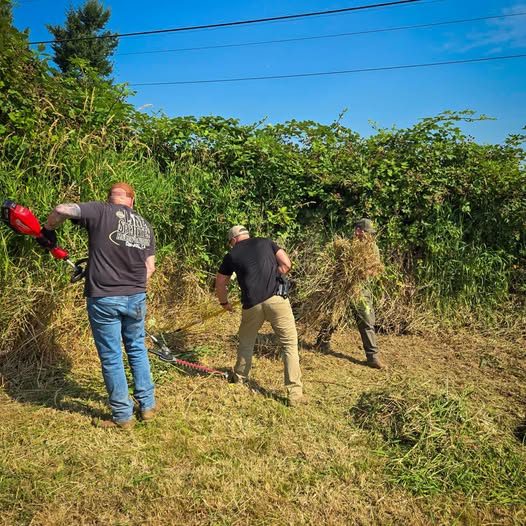
Sections of Bellingham's Cornwall Memorial Park will be fenced off and closed to the public for the next three to five years as the city undertakes a significant forest restoration project aimed at reversing decades of ecological decline. The effort is already underway: Parks and Recreation staff, volunteers, and members of the Washington Conservation Corps have installed 162 native trees and shrubs in the park's southernmost zone since work began in February 2026.
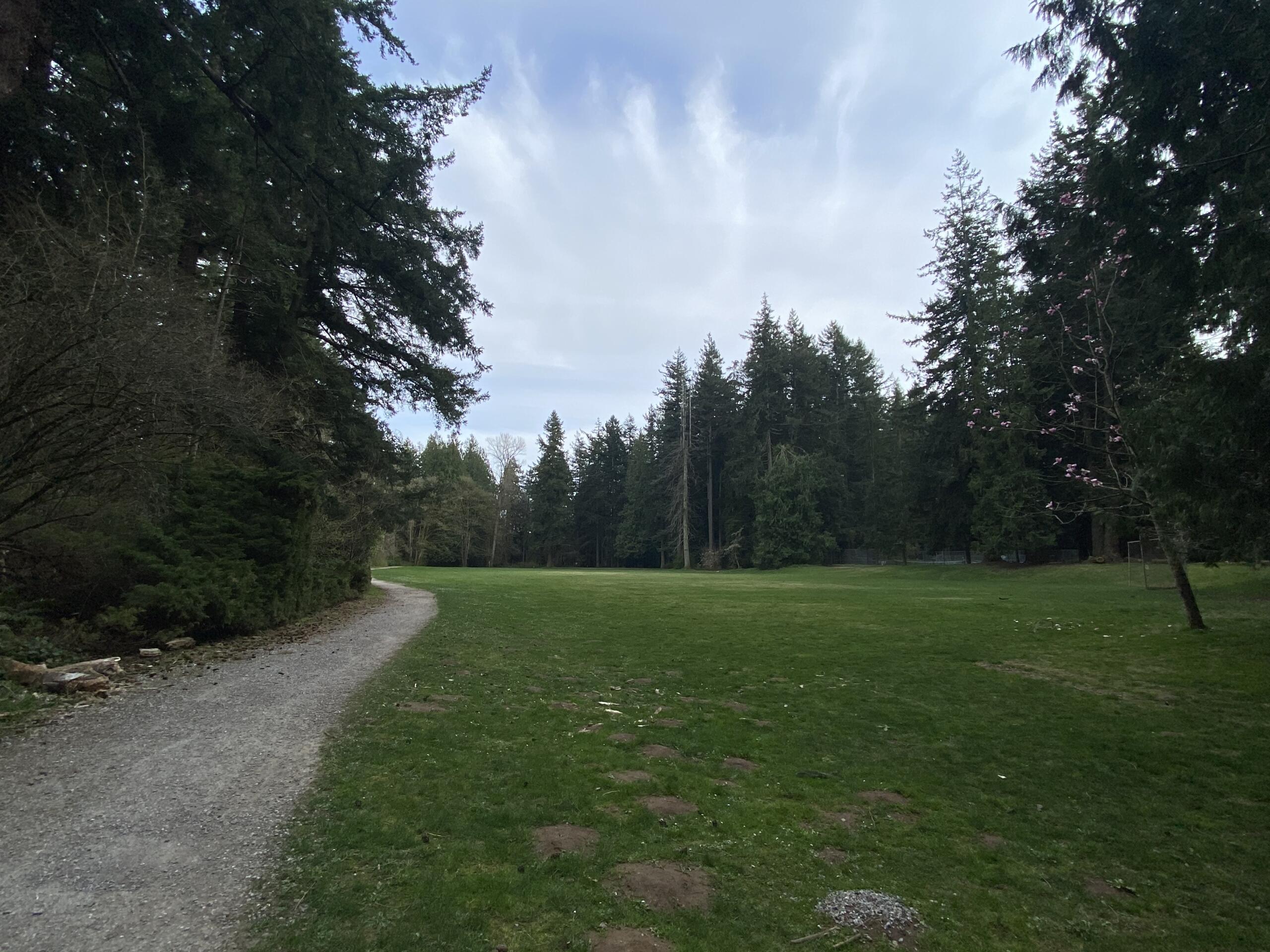
Cornwall Memorial Park sits in northwest Bellingham near Squalicum Creek and is one of the city's most-used green spaces. The park covers more than 100 acres and includes mature trees, open lawns, disc golf, walking paths, and creek habitat. It draws year-round use from families, dog walkers, disc golfers, and wildlife observers, which is precisely what created the problem the city is now trying to fix.
What Went Wrong and Why It Matters
Years of heavy foot traffic, off-trail use, and general wear have compacted the park's soil and stripped away native understory plants and young trees. Compacted soil cannot absorb water at the rate healthy forest soil can, which reduces the park's ability to filter stormwater and support the root systems of larger trees. The loss of native plants has also opened the park to invasive species that outcompete the vegetation that would naturally regenerate over time.
The consequences extend beyond the park itself. Squalicum Creek runs through Cornwall, and salmon use that waterway during spawning runs. Healthy riparian forest along creeks provides shade that keeps water temperatures low enough for salmon, root structures that stabilize banks and prevent sedimentation, and leaf litter that feeds the invertebrate food web that supports juvenile fish. When forest health declines along a creek corridor, salmon habitat declines with it. The Bellingham Parks and Recreation Department cited improved salmon habitat as one of the core incentives for the project.
Other benefits the department expects from successful reforestation include improved temperature regulation in and around the park, reduced flooding and erosion from restored soil capacity, and a more resilient tree canopy that can weather future weather extremes and disease pressures.
What the Closure Means for Park Users
Priority forest restoration areas will be fenced off to give newly planted trees and shrubs time to establish root systems without human foot traffic. Newly planted native species are particularly vulnerable in their first two to three years, when root systems are not yet deep enough to handle soil disturbance or competition from people and pets moving through the planting zones.
The closure will be phased, with plantings continuing in fall and winter seasons over the next three to five years. Not all of the park will be off-limits at once, and the city says trails and park infrastructure will remain open throughout the restoration period. Disc golf players who lose a disc into a fenced restoration area will be allowed limited access to retrieve it, a practical accommodation for one of the park's most active user groups.
The Washington Conservation Corps, a state program that employs young adults and veterans in conservation work, has been a key partner in the physical labor of the project. Corps members have professional training in native plant installation and erosion control work, making them well suited for restoration planting that needs to be done correctly to take hold in compacted urban park soil.
The Bigger Picture for Bellingham Parks
Cornwall Memorial Park's restoration is part of a broader pattern of investment in Bellingham's urban forest and natural areas. The city has been working to improve conditions at several parks affected by heavy use, invasive plants, and climate stress. Projects like this one tend to take longer and cost more than typical park improvements, but they address the underlying ecological health of the land rather than just its recreational surface.
Residents who want to support the effort or learn more about volunteer planting days at Cornwall and other Bellingham parks can check in with the Bellingham Parks and Recreation Department or with the Washington Conservation Corps for scheduled work parties. The fall and winter planting seasons, roughly October through March, are when most native plant installation happens, because cooler, wetter weather gives new plants the best chance of establishing before summer stress arrives.
For visitors planning to use Cornwall Memorial Park in the coming months, the practical advice is to stay on marked trails, respect any fencing that goes up around restoration areas, and keep pets on leash in areas adjacent to new plantings. The park will remain a functioning public space throughout the multi-year project. For updates on which specific areas are fenced and when, the Parks and Recreation department posts notices through the city's online channels. Earlier coverage of Bellingham parks planning and outdoor recreation initiatives provides additional context in related community reporting.