Whatcom County public health officials are warning residents and visitors to watch for harmful algae blooms at local lakes and beaches this summer, as warm temperatures and elevated nutrient levels in the water create prime conditions for blue-green algae to multiply rapidly. The county's Health and Community Services department issued a public advisory on July 24, 2026, urging a simple rule: when in doubt, stay out.
The advisory comes during a period of sustained warmth and drought across the county. The Washington Department of Ecology declared a statewide drought in April 2026 that includes Whatcom County, and the combination of low water levels, high temperatures, and nutrient-rich runoff from residential and agricultural land creates exactly the conditions that allow algae populations to explode into visible blooms.
How to Recognize a Bloom
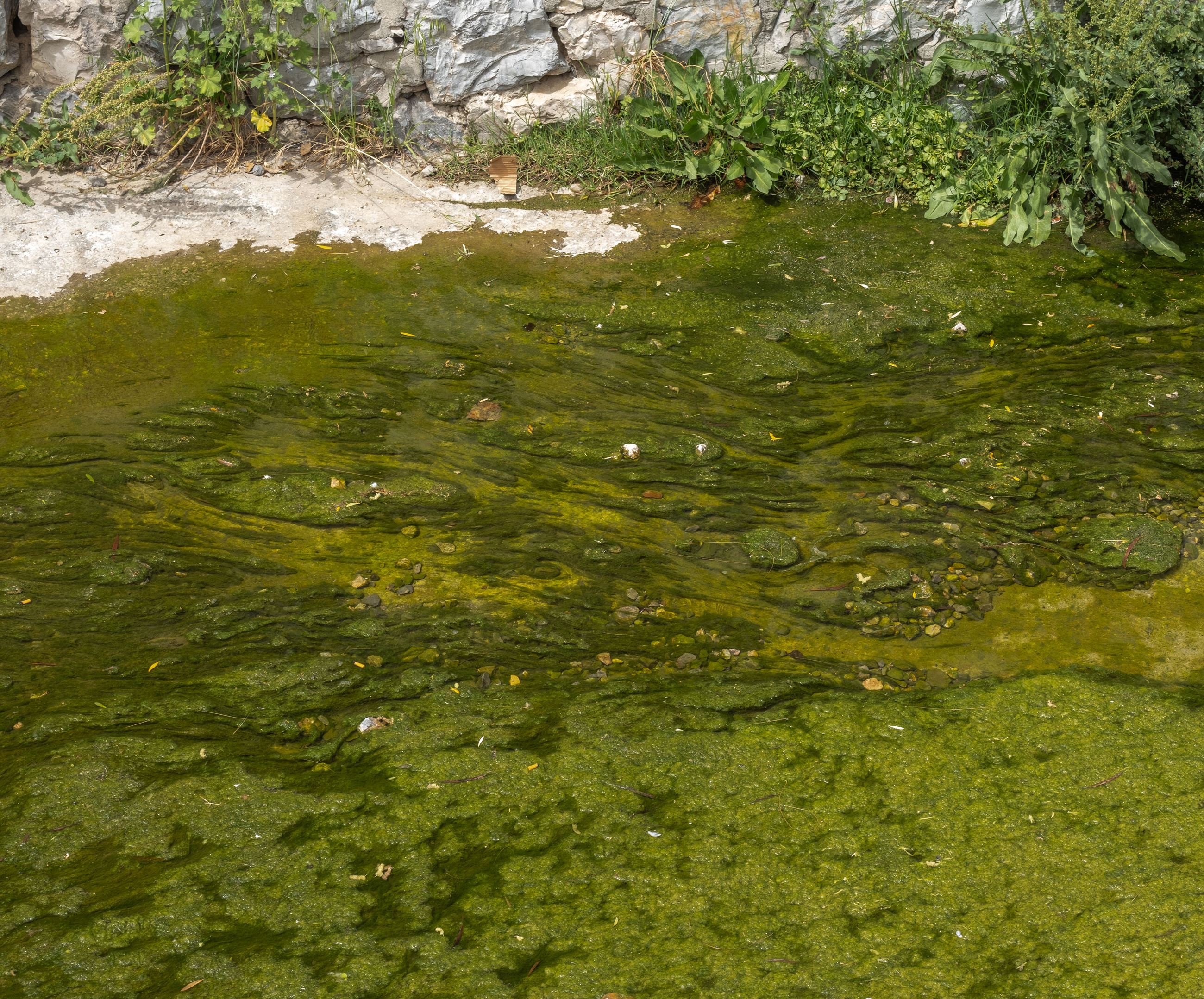
Algae blooms are often unmistakable once they form. They typically appear as thick, floating layers on the water surface that can look like spilled paint, foam, or a green, blue-green, brown, or reddish-green film. The discoloration can concentrate along shorelines or in coves where wind pushes surface water. Not every bloom produces toxins, but because there is no reliable visual way for the public to distinguish a toxic bloom from a non-toxic one, health officials recommend treating all visible blooms as potentially dangerous.
Residents should avoid wading, swimming, paddleboarding, boating, and water-skiing in any water where an active bloom is visible. Young children and pets face particular risk because they are more likely to swallow water while playing and are less likely to recognize or report symptoms of exposure. Livestock and wildlife that drink from affected water bodies are also vulnerable.
Health Risks and Symptoms
Algae toxins enter the body through swallowed water, skin contact, or inhaled mist and water droplets. Whatcom County Health identifies two main types of toxins produced by dangerous blooms. Nerve toxins cause numbness, tingling, and dizziness in people; in animals, they can trigger weakness, breathing difficulty, seizures, or death. Liver toxins cause severe stomach pain, vomiting, and diarrhea in people, and can lead to organ damage with prolonged exposure; in animals, liver toxins can be fatal.
Symptoms generally appear within hours of exposure and typically resolve within a few days for mild cases, though severe exposure can require hospitalization. Children are considered especially at risk because they spend more time in the water and are more likely to ingest it. Anyone showing symptoms after contact with water where algae is present should seek medical or veterinary care promptly. The county recommends not waiting to see if symptoms resolve on their own before calling a doctor.
Standard water filters and purifiers do not remove algae toxins, and boiling water does not neutralize them. Residents who obtain drinking water directly from Lake Whatcom through private intake systems face special risk during bloom periods and should switch to bottled water if a bloom is visible at or near their intake. The county issued a separate advisory on July 24 specifically for Lake Whatcom private system users.
What Residents Can Do to Help
Excess phosphorus is the primary nutrient driving algae overgrowth in local lakes. Residents can reduce their contribution to the problem by picking up pet waste immediately, using phosphorus-free lawn fertilizer, maintaining septic systems on a regular schedule, washing vehicles on the lawn or at a commercial car wash rather than letting soapy water run into storm drains, and planting native vegetation along shorelines rather than turf grass. Each of those actions reduces the amount of nutrient-laden runoff that reaches local waterways after rain events.
More information about algae blooms in Whatcom County waters, including current monitoring data for local lakes, is available through the Northwest Toxic Algae monitoring program. Before visiting a lake or beach, residents can check that site and look for posted advisories at the water access point.
To report a visible bloom at a public beach, call Whatcom County Health at 360-778-6000 or email environmental.health@whatcomcounty.us. Prompt reporting allows the county's environmental health team to test the water and post warnings before more people are exposed. Anyone who believes they became ill from swimming in local water can submit an online complaint form through the Whatcom County Health and Community Services website.
Good general beach hygiene also reduces risk during bloom season: shower soon after swimming, wash hands before eating, and avoid open water swimming if you have cuts or open abrasions. With a warm, dry summer expected to continue through late July and into August, bloom conditions are likely to persist at multiple sites across the county for weeks to come.