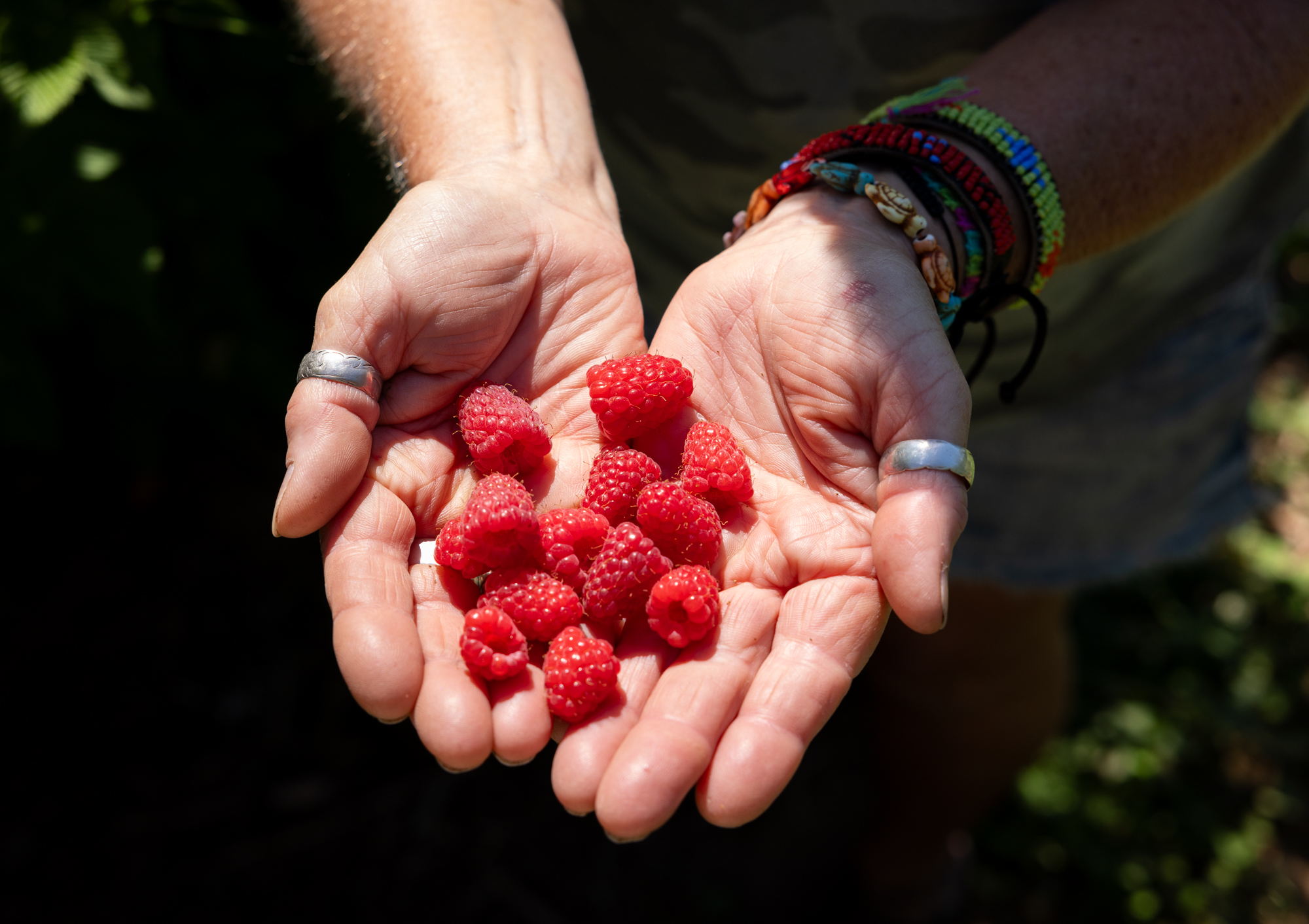
Whatcom County is berry country. Nearly 85 percent of the nation's commercial raspberries are grown right here, in the acidic soils and mild coastal climate between the Nooksack River lowlands and the Canadian border. Blueberries, blackberries, and strawberries also thrive at commercial scale locally, processed into health food products sold nationwide while the freshest fruit goes directly to farmers markets, U-pick farms, and backyard gardens across the county.
July marks the peak of that harvest. Strawberries began the season in June; blueberries and raspberries are now at full production. If you have ever thought about growing your own instead of buying, local agricultural writers and growers say the Pacific Northwest climate makes this one of the best places in the world to try.
Why Berries Thrive Here
The science behind Whatcom County's berry dominance is straightforward. Berries as a category prefer acidic soil and consistent moisture, two things the Pacific Northwest provides in abundance. Most berry plants drop their leaves and go dormant in winter, storing energy in their roots before pushing rapid new growth during the relatively cool, short summers of the Pacific Northwest. That growth pattern is a near-perfect match for regional conditions that would stress crops better suited to longer, hotter seasons.
The dark red, blue, and purple pigments that give local berries their intense color are anthocyanins, compounds associated with antioxidant, anti-inflammatory, and anti-microbial properties. Local varieties grown for commercial processing are specifically selected for flavor intensity strong enough to survive freezing and concentration, which means the berries available at local farm stores and farmers markets, chosen for fresh eating rather than processing, tend to be exceptionally flavorful. Native black cap raspberries, found growing wild in the foothills, are considered the most nutrient-dense fruit in the world by some measures.
Even Himalayan blackberries, the invasive thorny vines that colonize roadsides and vacant lots across the county, produce edible, antioxidant-rich fruit. Picking them is free and requires nothing more than sturdy gloves and a container.
Getting Started in Your Garden or Small Space
For home gardeners in Whatcom County, raspberries are arguably the easiest starting point. They are vigorous growers, tolerate partial shade, and produce heavily once established. Plant bare-root canes in early spring or container plants in spring through early summer. They prefer well-drained soil with a pH between 5.5 and 6.5, which is easy to achieve in most Whatcom County garden beds without amendment. Raspberries spread via underground runners, so plan to contain them with a simple trellis system or board barriers sunk into the soil.
Blueberries require more initial patience but reward it generously. Most varieties need two or more plants for adequate cross-pollination and take two to three years to reach meaningful production. They prefer even more acidic soil, around pH 4.5 to 5.5, so a soil test before planting is worthwhile. Sulfur amendments can lower pH if needed. Blueberries planted now can produce a modest harvest by 2028 and a full harvest annually for decades after that.
Strawberries work well even in small spaces, containers, or raised beds. June-bearing varieties produce a concentrated crop over two to three weeks, while ever-bearing types spread production across summer and fall. They need full sun and consistent watering and should be replanted every three to four years as production declines in aging plants.
Finding Local Berries Right Now
If growing your own is a longer-term goal, the local supply chain right now offers immediate options. The Bellingham Farmers Market runs Saturdays through the end of the season at Depot Market Square in downtown Bellingham, with multiple berry vendors typically present at peak season. U-pick farms across the county allow families to harvest directly from the field at prices well below retail, with some farms accepting walk-ins and others requiring advance reservations.
Sustainable Connections' Food and Farm Finder at eatlocalfirst.org lists local farms, summer CSA programs, and U-pick operations searchable by crop and location. It is the most comprehensive directory available for connecting Whatcom County residents with direct farm purchasing options during the growing season.
For gardeners seeking more detailed planting guidance specific to the Pacific Northwest, Washington State University Extension publishes free home garden resources through its Whatcom County extension office, including soil testing services and planting guides calibrated to regional conditions. The office is a particularly good resource for first-time berry growers trying to understand pH management and variety selection for local microclimates.
Whether you are picking from the fields this week, buying at the market on Saturday, or planning a garden bed for next spring, the berry season in Whatcom County is one of the most distinctive and edible expressions of what this corner of Washington state does best. The peak window for fresh raspberries and blueberries typically runs through late August before the season winds toward fall.