Every person aboard a Kenmore Air seaplane survived after the aircraft crashed into the water near Sucia Island on Thursday evening, July 23. The plane, a de Havilland DHC-3 Otter carrying 10 passengers and one pilot, went down in Shallow Bay at approximately 5:15 p.m. All 11 people were accounted for and receiving medical care within hours of the crash, with two injured passengers transported to Bellingham for treatment.
What Happened
Kenmore Air Flight 140 departed from Lake Union in Seattle at approximately 4:30 p.m. Thursday, bound for Roche Harbor on San Juan Island. According to flight tracking data from FlightAware, the aircraft had passed Sucia Island heading west when it executed a 180-degree turn and headed back toward the island before making an emergency landing in the water near the shore.
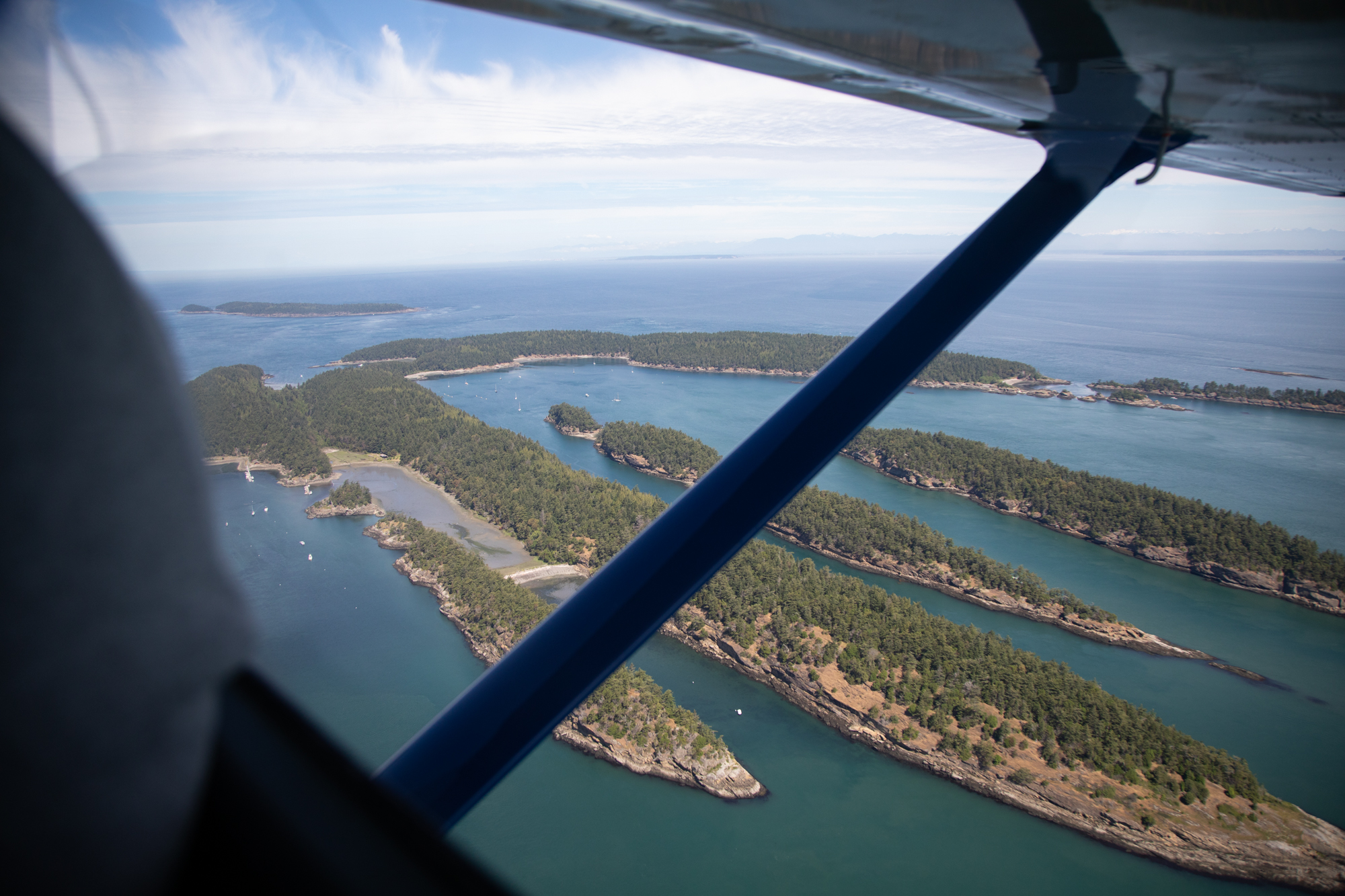
The plane came down in Shallow Bay, part of the San Juan Islands marine environment north of Orcas Island. Localized weather systems were reported moving through the area at the time, bringing lightning, rain, and gusty winds. The aircraft caught fire after making the emergency landing. Kenmore Air said it would not speculate on the cause of the accident while the investigation is underway.
A private vessel in the area assisted in helping survivors reach shore before emergency responders arrived. The U.S. Coast Guard Sector Puget Sound received the distress report at approximately 5:25 p.m. and coordinated the response.
Who Responded and Where Patients Were Taken
The rescue effort drew agencies from across the San Juan Islands. Orcas Island Fire and Rescue, San Juan Island Fire and Rescue, Lopez Island Fire and Rescue, San Juan County Parks, the U.S. Coast Guard, and the San Juan County Sheriff's Office all participated. The response reflected the logistical complexity of an incident in a remote island location where mutual aid across jurisdictions is essential.
Two of the most seriously injured passengers were transported to PeaceHealth St. Joseph Medical Center in Bellingham, which serves as the regional trauma center for northwest Washington. Two other injured passengers were taken to Orcas Island for evaluation and treatment. Seven additional passengers were transported to the Bellingham Coast Guard Station. Kenmore Air confirmed that all 11 people aboard had been accounted for as of Thursday evening.
Kenmore Air CEO David Gudgel issued a statement: "We are grateful that everyone aboard has been accounted for, and our immediate focus is ensuring our passengers and pilot receive the care and support they need. We extend our sincere thanks to the United States Coast Guard, local emergency responders, and everyone assisting in the response. Kenmore Air is fully cooperating with the investigating authorities, and we will continue providing verified information as it becomes available."
About Kenmore Air and the Route
Kenmore Air is a Seattle-based seaplane and float plane operator that has served the Pacific Northwest since 1946. The airline operates scheduled and charter flights connecting Seattle's Lake Union base with destinations across the San Juan Islands, Gulf Islands, and coastal British Columbia. The Roche Harbor route on San Juan Island is one of its most popular scheduled services, carrying tourists, residents, and island commuters throughout the summer season.
The de Havilland DHC-3 Otter is a single-engine turboprop aircraft widely used in bush flying, seaplane operations, and remote access routes across the Pacific Northwest and Alaska. It is a robust and well-regarded platform with a long operational history, capable of carrying up to 10 passengers plus a pilot on floats or wheels. The National Transportation Safety Board will investigate the accident, as is standard for all aviation incidents involving injuries or substantial aircraft damage.
Sucia Island itself is part of the San Juan Islands National Monument and is a popular destination for boaters and campers. Its position in Boundary Pass, north of Orcas Island, places it in one of the busiest marine traffic corridors in the Pacific Northwest. Shallow Bay, where the aircraft came down, is a protected anchorage on the island's south side that is frequently used by recreational boaters.
What Comes Next
The NTSB will lead the official investigation into the crash, which will include examination of the aircraft's maintenance records, pilot qualifications, weather conditions at the time of the incident, and the sequence of events captured on the FlightAware track. Preliminary findings are typically released within days, while a final report can take one to two years.
Kenmore Air said it has activated its emergency response procedures and will continue cooperating with investigating authorities. The airline has not disclosed whether the route will be suspended during the investigation or whether additional safety measures are being implemented on similar aircraft in its fleet. Anyone seeking information about passengers or the status of the investigation should contact Kenmore Air directly through its official channels.