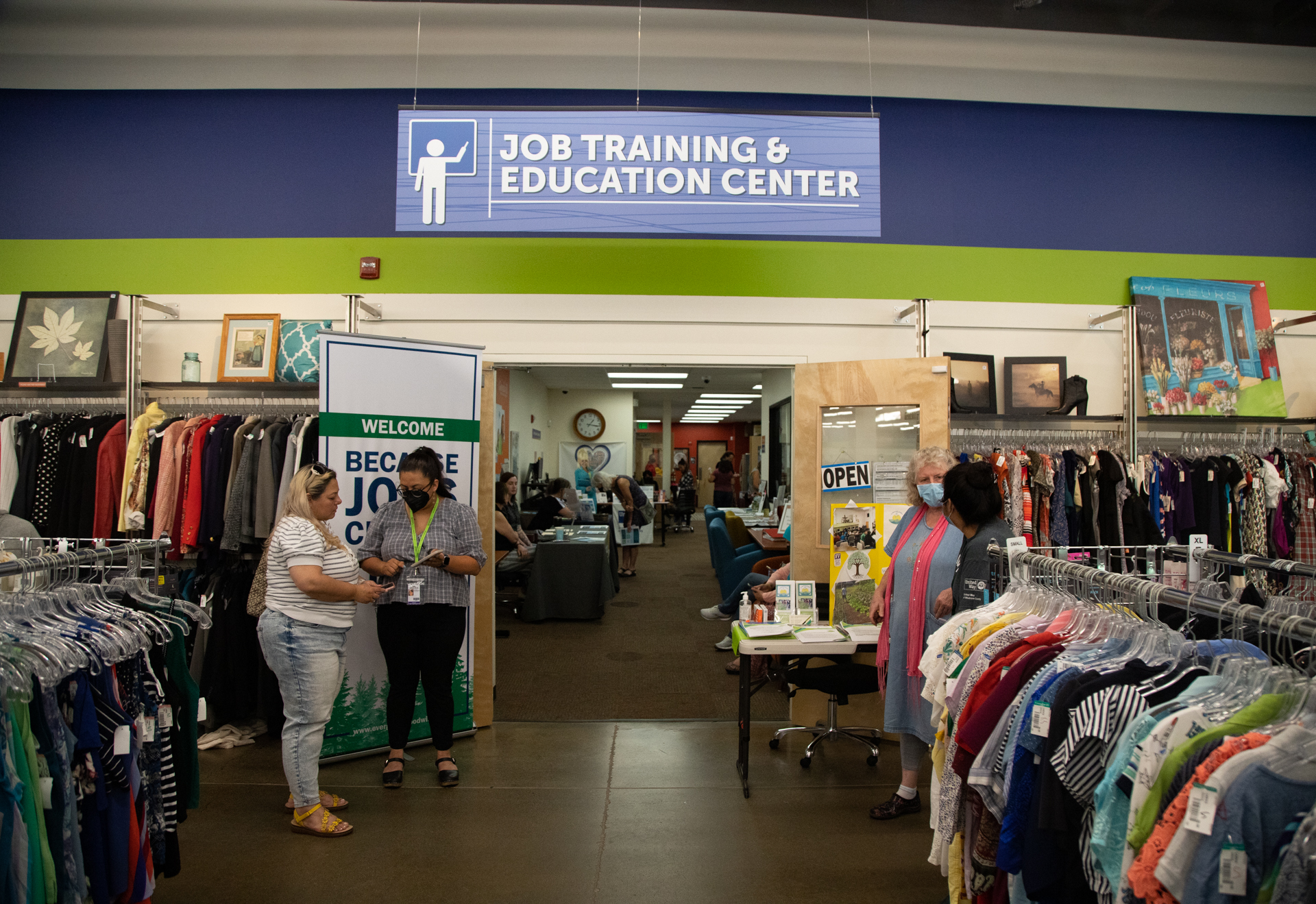
Evergreen Goodwill has temporarily closed its job training and adult education center in Bellingham, along with similar centers in Mount Vernon and Bremerton, as the nonprofit reworks its curriculum in response to shifting job market conditions and the growing influence of artificial intelligence on employment. The closures took effect Monday, and a spokesperson said the centers are expected to reopen at these locations in the future, though no timeline has been given. Current students are being contacted individually and referred to other resources while the redesign is underway.
Why the Centers Are Closing
Evergreen Goodwill spokesperson Alyssa Grigg said the closures are driven by leadership's assessment that the nonprofit's existing programming is no longer aligned with what employers are actually hiring for. "Our intention is not to abandon those communities," Grigg said. That statement acknowledges the disruption the closures will cause for students who were actively enrolled in Goodwill's programs and for the communities that have relied on the centers as stable, accessible resources for adult education and workforce development.
When the centers reopen, Grigg said the organization will concentrate its education efforts on high school completion and industry-recognized credentials, which leaders believe offer the clearest pathways to employment. That represents a shift away from a broader suite of adult basic education courses, including computer skills and English as a second language classes, which the Bellingham center has historically offered at no cost. For many students, those foundational courses were a starting point rather than an endpoint, the kind of skills-building that made it possible to pursue further credentials later. The elimination of that entry-level tier, even temporarily, removes an important first rung for people with the fewest existing advantages in the labor market.
Grigg pointed to changes in the workforce following the widespread introduction of artificial intelligence tools, and a trend toward employers requiring post-secondary credentials, as key factors driving the curriculum redesign. Those pressures have reshaped the demand for entry-level job training programs nationally, and Evergreen Goodwill is not alone in reassessing what it offers. The challenge for any workforce development organization is that the people most in need of support are often those furthest from the credential-bearing programs that the redesigned curriculum will prioritize, creating a potential gap between the organization's mission and its new program structure.
What Happens to Current Students
Staff at the affected centers are contacting students who were actively receiving Goodwill services to refer them to other resources. Classes will resume in October at Evergreen Goodwill's Seattle and Everett centers after a summer pause, and students outside those metro areas can participate remotely, Grigg said. The offer of remote participation is a genuine alternative for some students, but it carries real limitations for others.
For Bellingham and Whatcom County residents who depended on in-person services, the remote option may present real barriers. Not all adult learners have reliable internet access, and for those enrolled in English as a second language or basic computer skills courses, a remote format can be significantly less effective than in-person instruction. The interactive, relationship-based nature of language learning in particular benefits from physical presence, and students who were making progress in a classroom setting may find it difficult to sustain that progress through a screen-based alternative, especially if they are managing work, childcare, or transportation challenges alongside their studies.
Evergreen Goodwill's reach in northwest Washington has extended beyond the Bellingham storefront. The organization has operated a digital equity bus in east Whatcom County, serving as a mobile classroom for adult education in more rural parts of the county where in-person access to education programs is already limited. East Whatcom County includes communities like Everson, Sumas, Nooksack, and the agricultural corridor along the Nooksack River, areas with significant populations of agricultural workers and residents for whom access to any kind of adult education resource requires deliberate organizational effort. The status of that mobile program under the new structure was not addressed in the spokesperson's comments, leaving an open question about whether the digital equity bus will continue to operate.
Financial Pressures at the Nonprofit
The closures come amid documented financial stress at Evergreen Goodwill. The organization has reported net losses in tax filings since 2023, including a $9.3 million deficit in its most recent filing. Grigg acknowledged that the nonprofit has laid off staff in recent years but said the center closures are driven by the programmatic redesign rather than financial necessity alone. The distinction may be meaningful in terms of intent, but from the perspective of affected students and communities, the practical result is the same: a center that was open is now closed, and the support it provided is no longer available locally.
Evergreen Goodwill's operation spans King, Kitsap, Snohomish, Whatcom, and Skagit counties, making it one of the larger social service organizations in the western Washington region. Its retail stores, which fund much of the organization's mission work, have faced competition from online resale platforms and shifts in consumer donation patterns. The gap between retail revenue and program costs has widened across the Goodwill network nationally in recent years, as the resale market has fragmented and the cost of delivering human services has risen. The combination of declining retail margins and growing program expenses creates a structural financial challenge that the curriculum redesign alone is unlikely to resolve.
In 2022, the Bellingham location hosted a job and resource fair connecting local immigrants and refugees with employers and community organizations, a partnership event that drew attention to the center's role as a hub for workforce services for newcomers to the county. That kind of in-person community function, bringing together job seekers, employers, and service providers in a shared space, is difficult to replicate remotely and reflects the broader value that a physical community presence can provide beyond its formal programming.
What Residents Can Do Now
Whatcom County residents who relied on Goodwill's education programs and are looking for alternatives should contact Whatcom Community College, which offers adult basic education and English language programs through its Continuing Education division. Whatcom Community College serves students across the county at its Bellingham campus and through satellite sites. The college's programs are designed for working adults and can accommodate students at a range of skill levels, from foundational literacy to pre-college academic preparation. The WorkSource Whatcom center in Bellingham also provides job training referrals, resume help, and connections to workforce development funding for eligible residents. WorkSource is part of the statewide workforce development system and can connect individuals with funded training programs for specific industries, which aligns with the kind of credential-focused pathway that Goodwill's redesigned curriculum is also moving toward. Anyone with questions about available services can contact WorkSource Whatcom directly or call 211, the statewide social services referral line. For related coverage of workforce issues in the county, see earlier reporting on Allegiant Airlines closing its Bellingham crew base.