Voters in three Whatcom County fire districts will decide on August 4 whether to approve levy lid lifts that would restore property tax rates to levels needed to maintain emergency services. Fire Districts 1, 19 (Glacier Fire and Rescue), and 21 (North Whatcom Fire and Rescue) are each asking residents to approve adjustments to their existing regular levy rates, citing a growing gap between rising costs and limited revenue allowed under state law.
Why Fire Districts Are Facing a Funding Squeeze
The core problem each district faces is called levy compression. Washington State law caps annual growth in regular levy revenue at 1 percent, but property values in Whatcom County have risen far faster than that in recent years. The result is counterintuitive: even as property values go up, the actual dollar amount a fire district can collect per thousand dollars of assessed value shrinks over time. Districts that once had levy rates of $1.40 or $1.50 per thousand dollars of assessed value now find themselves collecting only $1.10 to $1.20 or less, even though the properties in their jurisdiction are worth significantly more.
At the same time, every major cost in fire service has gone up sharply. Personnel, the single largest expense in any fire district, now costs more due to wage increases needed to attract and retain certified firefighters and EMTs. Apparatus maintenance, fuel, insurance, utilities, and training have all risen faster than the 1 percent revenue cap allows the districts to keep pace.
A levy lid lift is not a new tax. It is a voter-approved adjustment to an existing levy that restores the rate to a level the community previously accepted. All three districts have had levy lid lifts approved by voters in the past, most recently in 2021. Since then, compression has gradually eroded those rates again.
What Each District Is Asking For
Fire District 1 serves approximately 106 square miles covering Everson, Nooksack, Deming, and the Nooksack Indian Tribe's territory in eastern Whatcom County. The district is seeking to establish its regular levy rate at $1.48 per thousand dollars of assessed value. Its last voter-approved rate in 2021 was $1.40 per thousand; that rate has since declined to approximately $1.12 per thousand through compression.
Glacier Fire and Rescue, or District 19, covers 109 square miles including the community of Glacier and the heavily forested terrain along State Route 542 approaching Mount Baker. The district is seeking to restore its levy to $1.10 per thousand dollars of assessed value, the same rate voters approved in 2021. The rugged terrain and limited road access in District 19 make emergency response particularly challenging, and adequate staffing and equipment are essential for structure fires, wildland fires, and medical calls in a corridor that sees substantial recreational traffic every year.
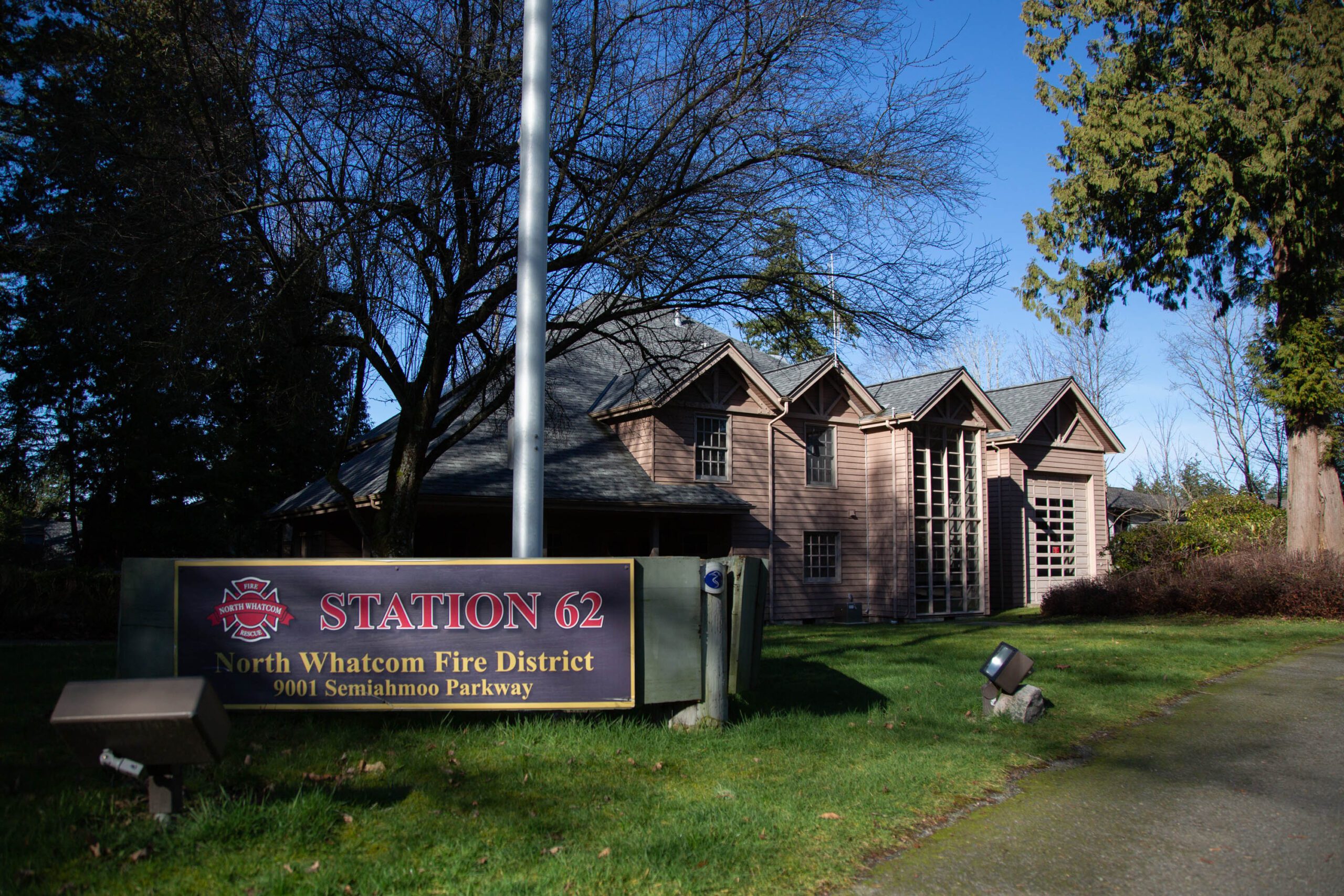
North Whatcom Fire and Rescue, District 21, is the largest of the three by geographic area at 156 square miles. The district covers the Semiahmoo peninsula, Birch Bay, and surrounding areas in northwest Whatcom County. District 21 has a specific and visible problem: Station 62 in Semiahmoo has been mostly inoperable since it opened in 1995 because the district has not had the revenue to staff it consistently. The levy lid lift would provide funding to staff that vacant station, among other needs. Whatcom County emergency services rely on adequately funded districts to ensure coverage across a county that stretches from the coast to the Cascades.
What Happens If the Levies Fail
All three districts have indicated that a failure at the ballot would force them to make difficult choices about staffing levels, apparatus replacement, and response capabilities. In a county where wildfire risk is elevated, where summer recreation brings additional medical and rescue calls, and where rural response times are already stretched, cuts to fire district capacity carry real consequences for residents.
Levy lid lifts require a simple majority of votes cast to pass in Washington State. They do not require a minimum voter turnout threshold, which means every ballot returned by August 4 counts equally toward the outcome. For a homeowner in any of these three districts, the dollar impact of approval is modest. In District 1, restoring the rate from $1.12 to $1.48 per thousand dollars of assessed value would cost roughly $36 more per year for the owner of a $100,000 home, or $360 more annually for a $1 million property.
Voters in all three districts should have already received their ballots by mail. The deadline to return ballots in a drop box is 8 p.m. on August 4. Ballots mailed back should be postmarked by August 4; the U.S. Postal Service recommends mailing no later than July 28 to ensure timely delivery. Voters with questions about their specific ballot or district can contact the Whatcom County Auditor's Office at 360-778-5102 or elections@co.whatcom.wa.us.