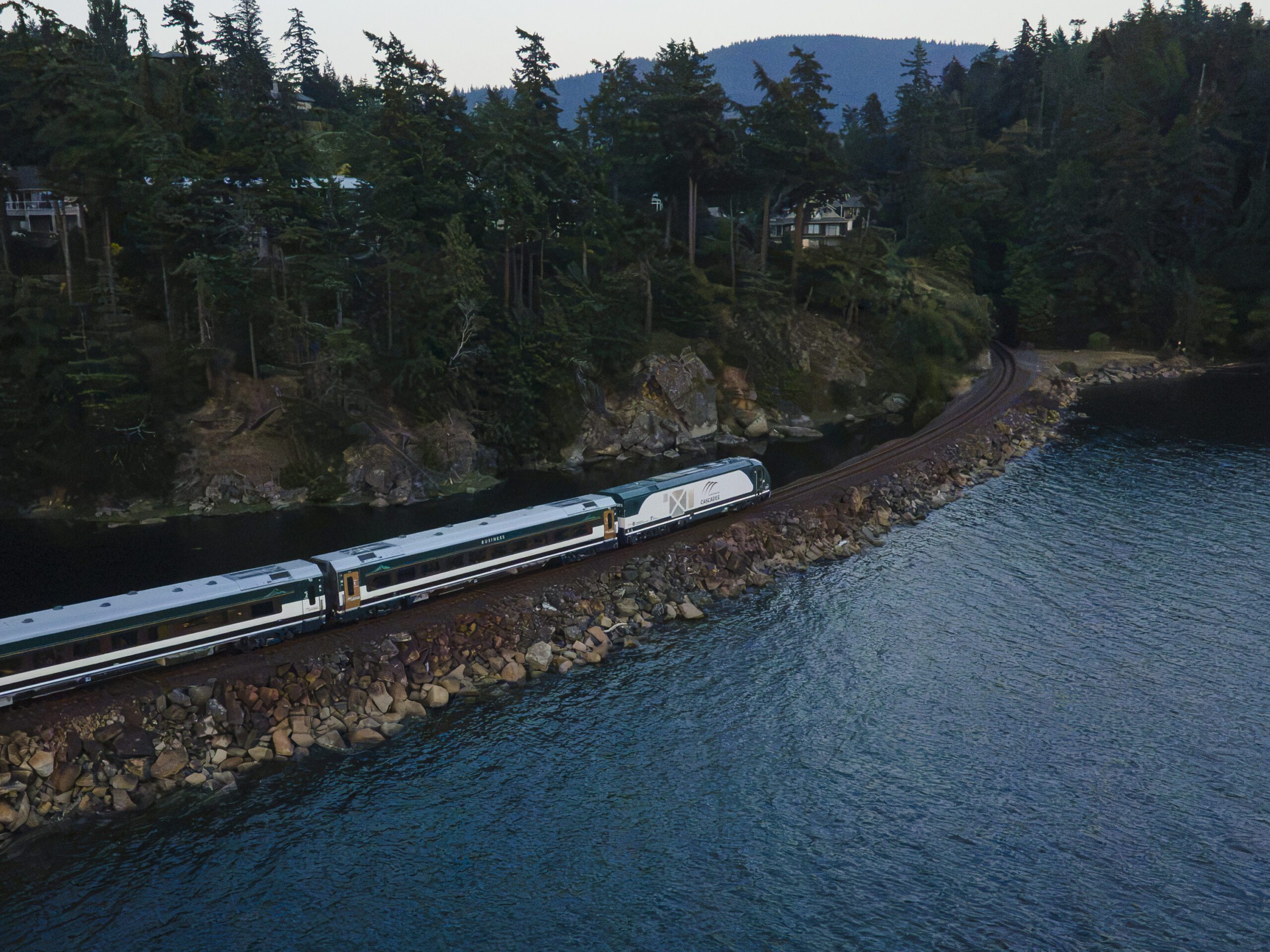
Rail fans and commuters along the I-5 corridor got a preview of what is coming to Amtrak Cascades service when a brand-new Siemens Airo locomotive and passenger car set made a test run through Bellingham on July 21, 2026, heading north to Vancouver, B.C. and back. The run marks one of the final steps before the new fleet enters regular passenger service later this year, a development that promises more seats, better amenities, and a long-awaited upgrade for one of the most-used intercity rail routes in the Pacific Northwest. For Bellingham residents who rely on the train to reach Seattle, Vancouver, or points south, the arrival of the Airo fleet is the most significant change to the Cascades service in well over a decade.
What Makes the Airo Fleet Different
The incoming Airo trainsets represent a significant generational leap over the equipment currently on the Cascades route. Amtrak placed the order with manufacturer Siemens in 2021, and the Pacific Northwest is the first region in the country to receive the next-generation fleet, a distinction that reflects the corridor's ridership strength and the long-term investment Washington State has made in intercity rail as an alternative to highway congestion. Eight new trainsets, two new locomotives, and a spare cab car are being delivered. Each new Airo train seats 300 passengers, compared to 250 on the Talgo Series 8 trainsets that currently serve the route, and as few as 150 on the interim Amfleet equipment that was pressed into service after capacity dropped sharply in early 2025.
The additional capacity is not a marginal improvement. Moving from 150 seats on the interim Amfleet equipment to 300 on the Airo trainsets doubles the number of passengers who can travel on any given run, which matters enormously on popular routes between Seattle and Vancouver that have been selling out quickly since the Horizon car withdrawal forced capacity reductions. On busy travel weekends, the difference between 150 and 300 available seats translates directly into whether families, students, and commuters can book the train or must resort to driving or flying instead.
The Airo cars offer a modernized interior with free onboard Wi-Fi, individual power outlets at every seat, and self-service options in the cafe cars. These amenities bring the Cascades route in line with what passengers expect from intercity rail in Europe and align with Washington State's long-term rail investment goals for the corridor between Eugene, Oregon, and Vancouver, B.C. Free Wi-Fi and reliable power outlets have become baseline expectations for business travelers and students making productive use of travel time, and their inclusion in the Airo design signals that the new fleet was conceived with the modern traveler's habits in mind rather than simply updating the mechanical components of older equipment.
Why Capacity Has Been Constrained Since 2025
The urgency behind the new fleet stems from a crisis that began in March 2025, when Amtrak suddenly withdrew 26 aging Horizon rail cars from service after inspectors discovered significant corrosion problems. The Horizon cars, built in the 1980s and operated for decades beyond their original design expectations, had been an important part of the Cascades consist, and their abrupt removal forced the route to operate with reduced capacity for well over a year. Passengers booking tickets on popular runs between Seattle, Bellingham, and Vancouver found trains sold out earlier and options more limited than in prior years, leading to frustration among the corridor's regular riders who had come to depend on the service for reliable, car-free travel.
Amtrak's response was to substitute Amfleet equipment, which is older and offers fewer seats, as an interim measure while the Airo fleet completed manufacturing and testing. The Amfleet cars kept the service running but at significantly reduced capacity, creating a situation where demand for Cascades travel remained high even as the ability to accommodate that demand declined. The arrival of the Airo fleet resolves that problem at a stroke, adding more total seats than the route had even before the Horizon car withdrawal.
The Bellingham station, located at 401 Harris Avenue in the Fairhaven neighborhood, serves as a stop on the Cascades corridor linking Seattle and Vancouver, B.C. The station is one of Bellingham's most architecturally distinctive transportation facilities, housed in a historic building that has served rail passengers for generations. The route is particularly important for cross-border travelers, Western Washington University students traveling to and from Seattle, and residents who prefer rail to the congestion of I-5. With the Airo fleet coming online, the additional capacity should ease the booking squeeze that has frustrated passengers since early 2025.
What Comes Next
The July 21 northbound test run through Bellingham covered the northern half of the Cascades corridor from Seattle to Vancouver, B.C. and back. On Thursday, July 23, the trainset was scheduled to cover the southern half of the route from Seattle down to Eugene, Oregon. These test runs are described by Amtrak as the final step before introducing the trainsets to revenue service, meaning the equipment has completed its primary certification and testing requirements and is now being verified across the full length of the operational corridor to confirm performance at every grade, curve, and station platform it will encounter in regular use.
No specific service launch date has been announced publicly, but both Amtrak and Washington State Department of Transportation officials have described the timeline as "later this year." That phrasing leaves a range of possibilities open, but rail observers tracking the Airo delivery and testing process have suggested a fall 2026 introduction is the most likely scenario based on the pace of the program.
The test runs generated considerable excitement among the local railfan community, with photographs of the southbound trainset near Bellingham circulating on social media within hours of the July 21 passage. Photographer Finn Wendt captured the trainset heading south near Bellingham and the images offered a first look at the Northwest-styled exterior design of the new equipment. For residents who rely on the Cascades route for travel, the new fleet's arrival is a practical improvement that will mean more available seats and a more modern experience on a corridor that carries hundreds of thousands of passengers annually.
For updated schedule and ticketing information as the new fleet enters service, visit the Amtrak Cascades page or the Washington State Department of Transportation rail program site. Bellingham station schedules and platform information are also available at the station itself on Harris Avenue in Fairhaven, which is served by local Whatcom Transportation Authority bus connections for passengers arriving or departing without a car.