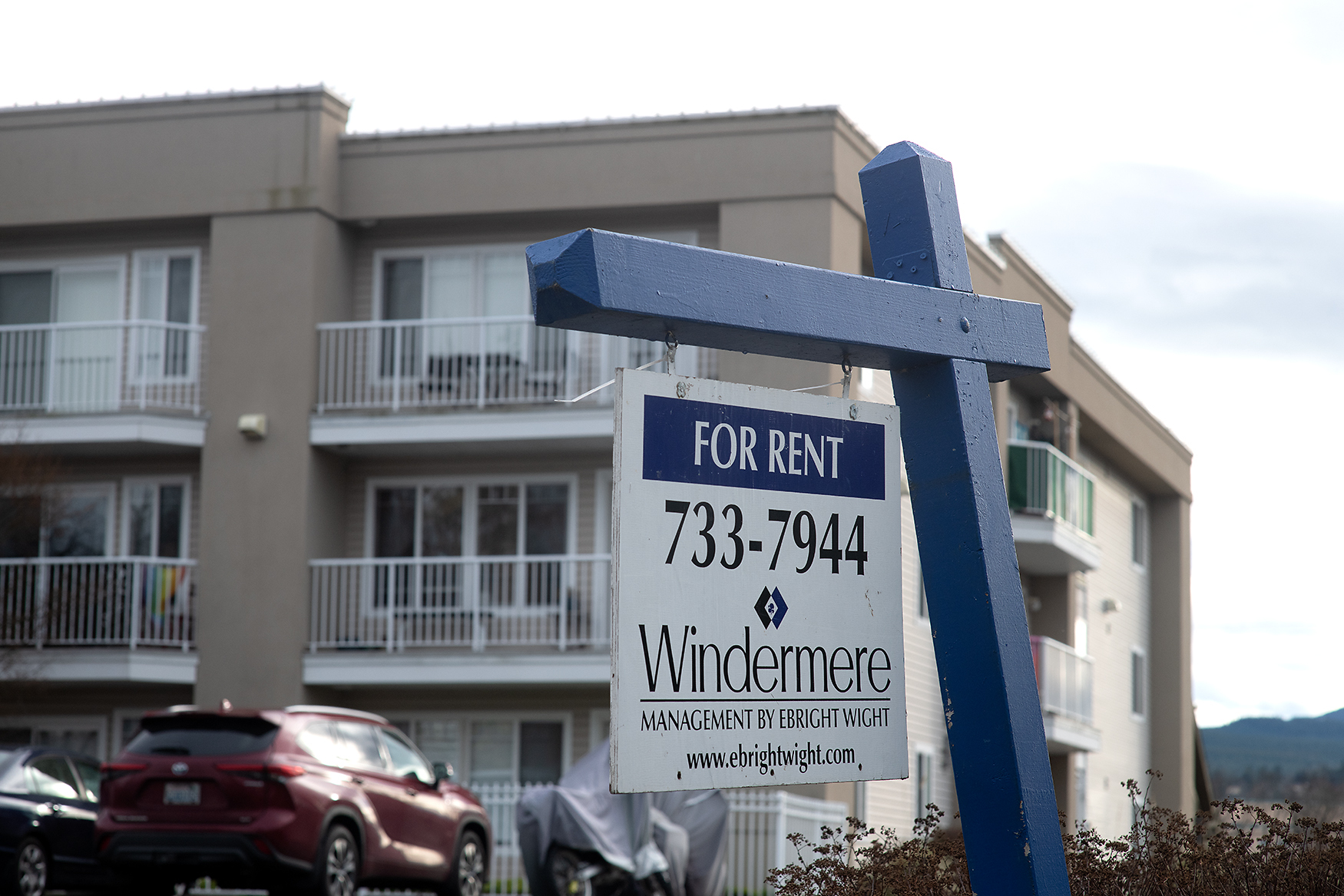
A ballot initiative headed to Bellingham voters in November would ban the use of algorithmic pricing software by landlords. Supporters say the software allows landlords to coordinate rent increases in ways that harm renters. But a growing number of housing economists and policy analysts argue the initiative, however well intentioned, misidentifies the cause of Bellingham's housing affordability crisis and could make things worse for the very renters it aims to protect.
The Scale of the Problem
The underlying housing squeeze in Bellingham is real and severe. Over the past decade, rents have risen more than 27 percent faster in Bellingham than in most other American cities, according to data cited in recent local commentary. Today, 56 percent of Bellingham's renters spend more than 30 percent of their income on housing, the standard definition of being "cost burdened." For a city of roughly 95,000 people with a large student population and a significant service-sector workforce, that number represents thousands of households living with chronic housing insecurity, juggling rent payments against groceries, transportation, and healthcare in a market that has consistently moved against them.
The human reality behind those statistics is not abstract. Working families in Bellingham increasingly find themselves choosing between neighborhoods that are affordable but distant from employment and services, or locations that are convenient but consuming half their monthly income. That squeeze has driven the organizing energy behind the ballot initiative and reflects years of frustration with a local housing market that has outpaced wage growth across most income levels.
Local activists spent months gathering signatures for an initiative to ban pricing software, tools that use market data to help landlords set and adjust rents. Organizers delivered well over the number of signatures needed to place the measure on the November general election ballot. The campaign reflects genuine frustration with years of rising rents and a search for something concrete and immediate that voters can act on directly, without waiting for state or federal housing policy to shift.
What Pricing Software Actually Does
Pricing software, sometimes called revenue management software, analyzes rental market conditions in real time and recommends rent adjustments to landlords. The tools pull in data on local vacancy rates, comparable unit pricing, seasonal demand patterns, and lease renewal timing to suggest optimal rent levels at any given moment. Critics argue the software effectively lets competing landlords see each other's pricing signals and raise rents in concert, producing outcomes that resemble price coordination even without direct communication between property owners. Proponents of the software say it frequently recommends rent decreases as well as increases, responding to actual vacancy rates and market demand rather than acting as a one-way ratchet upward. The debate over its real-world effects has played out in several cities and at least two federal antitrust investigations, with no settled consensus yet on how much of observed rent growth the software is actually responsible for.
The policy critique of Bellingham's proposed ban centers on what economic evidence shows actually drives rents. Bellingham, like most growing mid-size cities in the Pacific Northwest, has a substantial and persistent gap between housing supply and housing demand. The city's population has grown, new households have formed, Western Washington University enrollment has remained strong, and the number of available rental units has not kept pace with any of those trends. That gap, not software, is what most economists point to as the primary driver of rent increases. When there are more renters seeking apartments than there are apartments available, rents go up regardless of what tools landlords use to set prices. Software can influence how quickly prices adjust to market conditions, but it cannot conjure higher rents in a market with genuine surplus supply.
The experience in San Francisco is instructive. That city banned similar pricing software in October 2024. By the measures available since then, rents have not declined significantly, because the underlying supply-demand imbalance that existed before the ban still exists after it. Removing a pricing tool from landlords does not add a single apartment to the market, and in San Francisco's case the ban has not visibly improved affordability for the renters it was designed to help.
What Would Actually Help Bellingham Renters
Housing advocates and planners across Washington State generally agree that the most durable path to lower rents runs through adding more housing units. That means more apartments, more accessory dwelling units, more multi-family infill development, and zoning reforms that allow higher density in neighborhoods close to transit, employment, and services. More supply shifts bargaining power from landlords to renters, because vacancy rates rise and landlords must compete for tenants rather than the reverse. No pricing software ban achieves that structural shift.
Bellingham has taken some steps in this direction in recent years, including updated zoning codes that expanded where certain housing types are permitted and a third tiny home village planned for the Irongate neighborhood that will add transitional housing capacity. But the pace of new unit creation has not matched demand growth, and the gap between what the city needs and what has actually been built remains wide. Accelerating permitting, reducing development fees for affordable projects, and upzoning corridors near the Whatcom Transportation Authority's highest-ridership routes are the kinds of supply-side interventions that economists consistently identify as more effective than demand-side price restrictions.
The pricing software ban debate does reflect something real: renters in Bellingham feel powerless against a market that has consistently moved against them, and they are looking for immediate relief. The initiative, even if it passes, is unlikely to deliver that relief if the supply constraint remains unaddressed. A ban might change how quickly landlords respond to market signals, but it will not change the fundamental reality that too many renters are competing for too few units. The organizing energy behind the campaign could, if redirected toward pushing for zoning reform and accelerated housing production at the city council level, yield more lasting benefits for the households that are currently cost burdened.
The City of Bellingham's planning and development services office tracks housing production data and accepts public input on proposed zoning changes. For renters and community members who want to understand the November ballot measure in full, the city will publish official pro and con statements written by community members in the voters pamphlet. Anyone interested in writing a statement for or against the initiative can contact the City Clerk's Office for submission deadlines and requirements, which are typically set several months before the election date.
For context on related local civic debates, including recent coverage of the August primary levy measures affecting city and county budgets, see additional recent coverage on this site. Washington's Department of Commerce housing resources page also offers data on statewide rental markets, affordability trends, and model zoning ordinances that cities across the state have adopted to encourage housing production. Bellingham voters heading to the polls in November will face a ballot that includes not only the pricing software initiative but several other fiscal and infrastructure measures, making this a consequential election cycle for anyone who cares about the city's long-term livability.