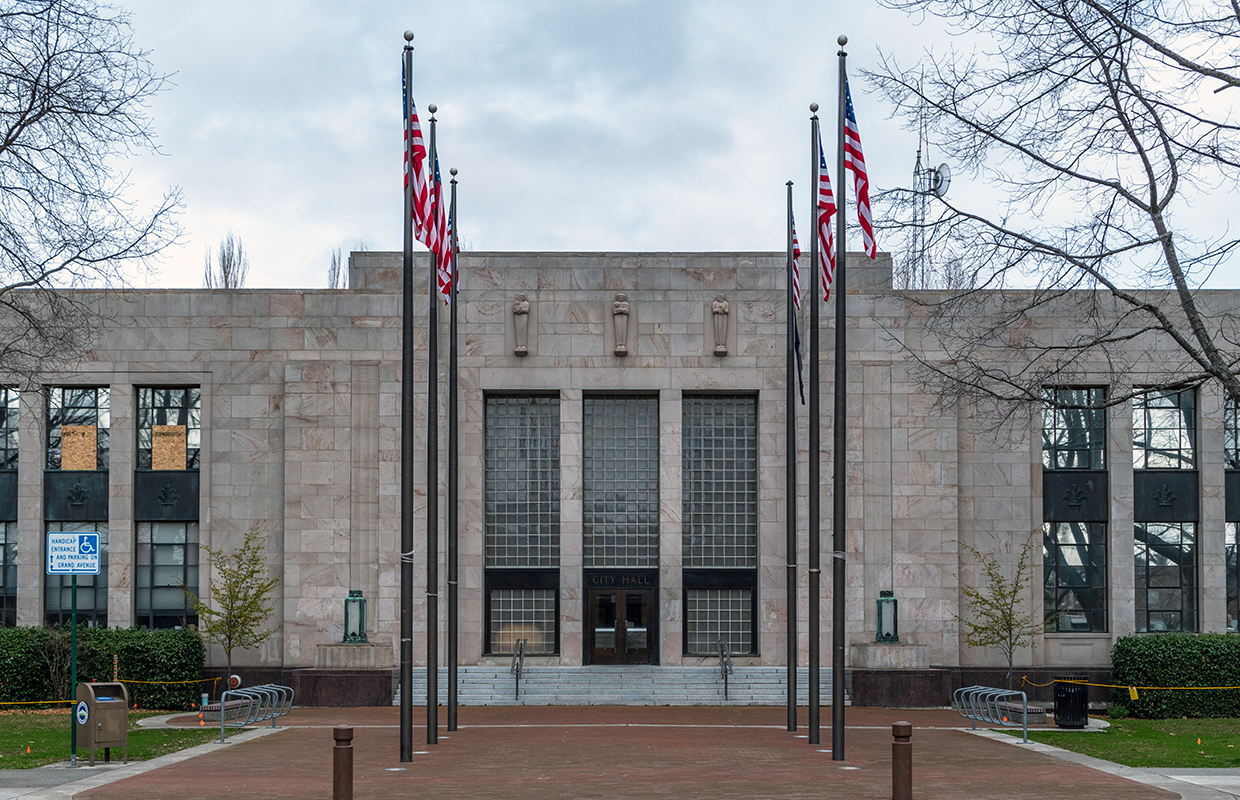
Bellingham voters will face three citizen-initiated measures on the November 2026 general election ballot, and the city is now looking for residents willing to write the official pro and con statements that will appear in the voter pamphlet. The deadline to volunteer is 5:00 p.m. on Monday, July 27.
The three initiatives cover a wide range of civic territory: a ban on algorithm-driven rental pricing software, a change to how the mayor's salary is set, and a streamlining of the city's contract-signing process. Together, they represent some of the more unusual and consequential local ballot questions Bellingham voters have seen in recent election cycles.
What the Three Initiatives Would Do
The first and most widely discussed initiative would prohibit landlords and rental property owners in Bellingham from using paid software to analyze market data and automatically set or recommend rental prices. The practice has drawn increasing scrutiny nationally, with critics arguing that when multiple landlords in the same market use the same algorithmic pricing tools, rents rise faster than they would in a truly competitive market. Proponents of the software argue it simply helps landlords respond efficiently to market conditions. Bellingham would join a small but growing number of cities that have moved to restrict or ban the practice outright if the initiative passes.
The second initiative addresses the mayor's salary. Under current city rules, the mayor is required to be the highest-paid city employee. The proposed initiative would eliminate that requirement and instead have the mayor's salary determined by the same commission that sets city council members' pay, a body that convenes every eight years for that purpose. Supporters argue the current formula is an unnecessarily rigid way to set executive pay. Opponents may argue that the existing structure ensures the mayor's compensation stays competitive.
The third initiative is more procedural in nature. It would allow the mayor to formally designate another official to sign contracts on their behalf, rather than requiring the mayor's personal signature on all city contracts. The measure would also allow the city to use electronic signatures on contracts by removing existing requirements that mandate other formats. Proponents say the change would modernize and speed up city operations. Critics may raise questions about accountability in the contracting process.
How to Get Involved
The City of Bellingham is accepting volunteers to write both the pro and con statements for each of the three initiatives. Volunteers work in committees, with each committee assigned to argue one side of one measure. You do not have to be a policy expert or a lawyer to participate; the goal is to produce clear, accurate, and persuasive arguments that help voters understand the stakes of each measure.
To volunteer, email Deputy City Administrator Janice Keller at jkeller@cob.org with your name, phone number, the committee you wish to serve on, and any relevant background information, by 5:00 p.m. on July 27. Full details about the initiatives, including the language of each measure, are available in the Bellingham City Council's July 13 agenda packet under the "Committee of the Whole" section on the city's website.
Ballot argument committees are an important part of the democratic process. The statements written by these volunteers are often the primary resource voters consult when trying to understand complex local measures, particularly for voters who do not closely follow city council proceedings. Participating in a committee is a tangible way to shape how Bellingham residents understand and decide these questions in November.
Why These Measures Matter for Bellingham
All three initiatives reflect active civic debates that have been percolating in Bellingham for months or longer. The rental pricing algorithm ban connects directly to Bellingham's ongoing housing affordability challenges; the city's rental market has tightened significantly in recent years, and any policy that might affect rent levels draws intense interest from both tenants and landlords.
The mayor's salary question is less emotionally charged but touches on fundamental questions about how Bellingham structures executive compensation and who should have oversight over it. The city has seen turnover at the mayoral level in recent years, and compensation is always part of the broader conversation about attracting and retaining effective leadership.
The contracting process change may seem like inside-baseball governance, but for a city that manages hundreds of contracts annually for everything from construction projects to service agreements, streamlining the signature process could have real operational implications. Electronic signatures, in particular, would align Bellingham with how most modern organizations manage their paperwork.
November's election is still months away, but the deadline to volunteer for the ballot argument committees is July 27, just over a week from now. Bellingham residents who have strong opinions about any of these three measures should consider whether contributing to the official voter pamphlet arguments is the right way to channel that energy. For more information on Bellingham's civic and government news, the City of Bellingham's official website is the primary resource. For related local election and civic coverage, earlier reporting on county governance decisions provides useful context on how Whatcom County and Bellingham navigate major civic questions.