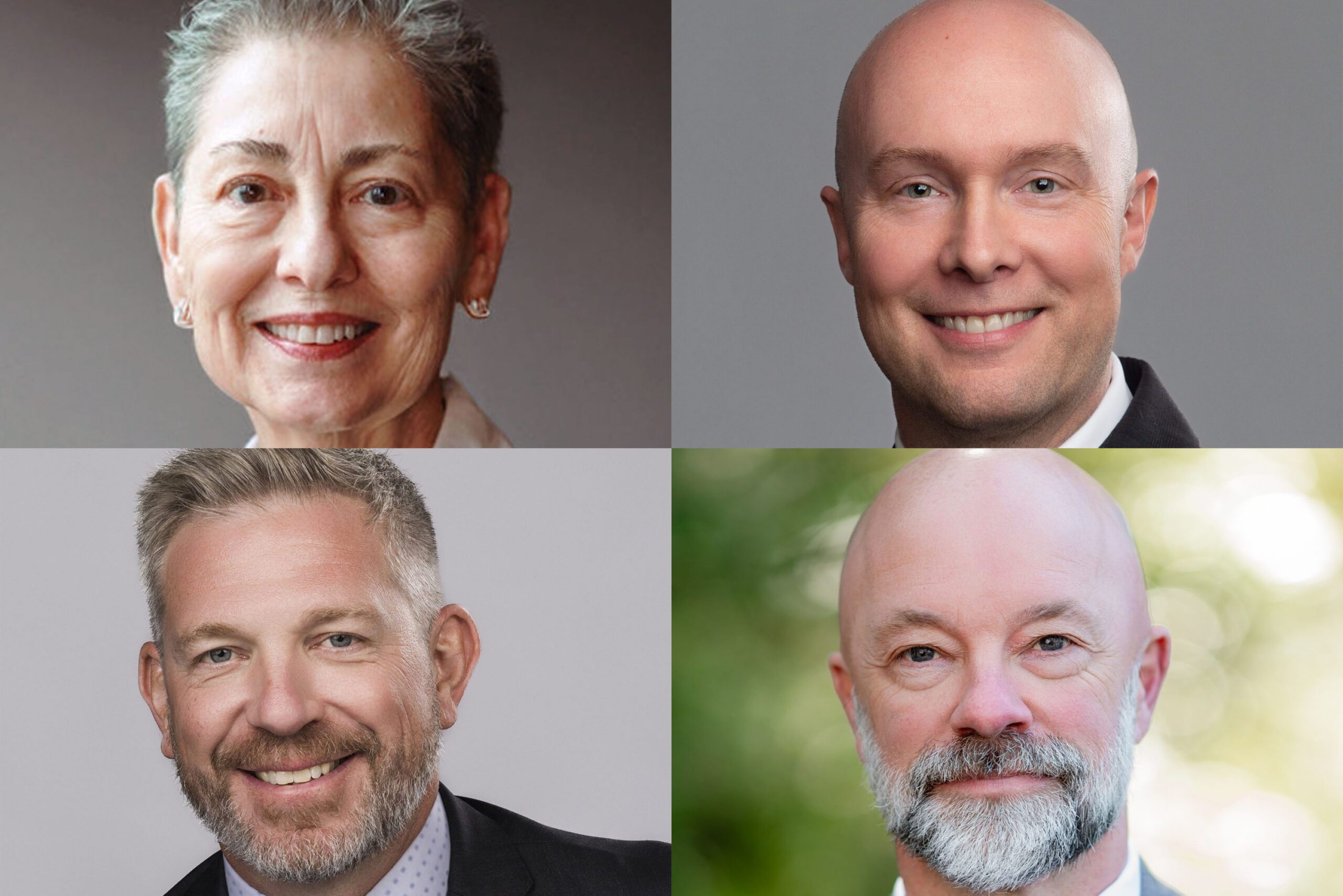
For the first time since the 1930s, four candidates are competing for the position of Whatcom County Prosecuting Attorney. The August primary will determine which two move on to the November general election, and the race presents voters with a genuine choice between sharply different visions for one of the county's most powerful legal offices. Three of the four candidates come from inside the prosecutor's office itself, while the fourth leads the county's conflict attorney program as a public defender.
What the Prosecuting Attorney Does
The Whatcom County Prosecuting Attorney's Office is responsible for charging decisions in criminal cases across the county, from misdemeanors to serious felonies. The office decides who is eligible for diversion programs designed to keep lower-level offenders out of the court system, manages plea agreements, and takes cases to trial when no deal is reached. The office also serves as the county's civil attorney, representing Whatcom County and its employees when lawsuits are filed against the government.
The position has been shaped for the past five decades primarily by two individuals. David McEachran served as prosecuting attorney for many years, followed by his protege Eric Richey. The 2026 race is the first genuinely open contest since that long period of continuity began, and candidates are explicitly staking out positions on whether they want to maintain the approach of the past or chart a different course.
The Four Candidates
Dona Bracke is the most experienced candidate in the field. With nearly 45 years of legal experience, she worked as a prosecutor in Los Angeles during the 1980s and 1990s before joining prosecuting attorney offices in Skagit and Whatcom counties. She currently serves as chief deputy criminal prosecutor, overseeing Whatcom County District Court and supervising newer attorneys. Bracke has identified an exodus of lawyers from the office in recent years as a pressing concern, arguing that newer attorneys are being pushed into difficult felony cases before they are ready. She wants prosecutors to be able to offer quicker and more certain plea deals to reduce delays in the system. She is running as a Democrat.
Erik Sigmar also works in the criminal division of the prosecutor's office and is running as a Democrat. He represents continuity within the criminal side of the office while offering his own perspective on how to modernize operations.
Jesse Corkern comes from the civil side of the office, rather than the criminal division, and is also running as a Democrat. His background in civil litigation gives him a distinct profile from the other internal candidates, particularly on issues involving county liability and government representation.
Ryan Swinburson is the lone candidate from outside the prosecutor's office. He leads the county's conflict attorney office, which provides defense representation in cases where the public defender's office has a conflict of interest. As a defense attorney, Swinburson brings a fundamentally different perspective to the race, one shaped by representing people accused of crimes rather than prosecuting them. He is running with no party affiliation.
What Separates the Candidates
The central tension in the race is between continuity and change. Bracke, Sigmar, and Corkern all work within the institution they hope to lead, and their proposals tend to focus on operational improvements: reducing delays, improving staff retention, and managing caseloads more effectively. Swinburson's outsider perspective raises different questions about how charging decisions are made and how the office interacts with defendants who have limited resources.
The race is also taking place against a backdrop of broader conversations in Whatcom County about criminal justice reform, jail overcrowding, and diversion programs. Whatcom County is in the middle of a long-running debate about building a new jail, and the prosecuting attorney's office plays a direct role in determining how many people are charged and incarcerated at any given time. Whoever wins this race will inherit significant influence over those questions.
h2>Key Dates and How to VoteWashington's primary election is on August 4, 2026. Ballots are mailed to all registered voters in the state. If you have not yet registered or need to update your address, the deadline for online registration is July 27. Same-day registration is available in person at the Whatcom County Auditor's Office through Election Day. The two candidates who receive the most votes in the August primary advance to the November 3 general election regardless of party affiliation, under Washington's top-two primary system.
Voters who want to learn more about the candidates' positions can check candidate websites as they become available and watch for candidate forums organized by local civic groups. For a broader look at what is on the Whatcom County ballot this year, check the county's election information and accessible voting resources.