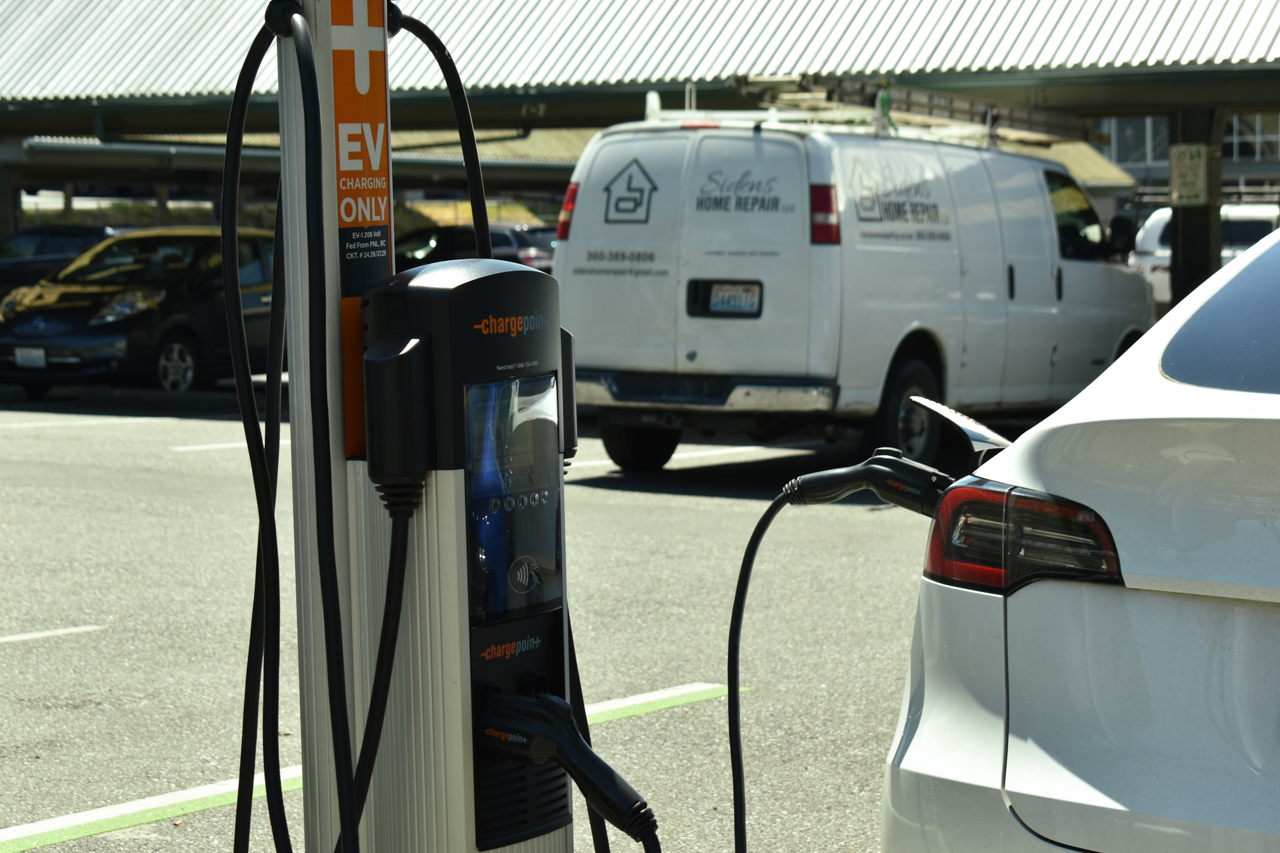
Drivers who use the City of Bellingham's fast-charging electric vehicle stations will soon pay more per kilowatt-hour after the Bellingham City Council voted unanimously Monday night to approve a rate increase for Level 3 charging. The change addresses an annual budget deficit in the city's EV program caused by rising electricity costs, vendor fees, and inflation, and will bring the program from a loss to a break-even operation.
What Is Changing and Why
The city currently charges approximately 25 cents per kilowatt-hour at its Level 3 fast-charging stations, the high-speed units that can add significant range to an electric vehicle in 20 to 30 minutes. Under the new rate schedule approved at Monday's meeting, that fee will rise to 40 cents per kilowatt-hour, an increase of 60 percent. The cost for Level 2 charging, the slower stations typically used for longer parking sessions, will remain unchanged.
The reason for the change is straightforward: the city is losing roughly 11,000 dollars per year on its EV charging program due to increasing costs that were not anticipated when earlier fee structures were set. Electricity prices have risen, and the contracts with EV charging equipment vendors and software operators have become more expensive. Rather than absorb that loss indefinitely through the general fund, the council chose to adjust rates to cover actual costs.
Council member Michael Liliquist framed the intent clearly at the meeting. "That would be enough basically to turn our EV charging program from the red to the black and therefore cover those costs so there'd be no need for a public subsidy to run these public charging stations," Liliquist said. The council also noted that even at 40 cents per kilowatt-hour, the new rate remains below the average market rate at commercial fast-charging stations in the region.
Annual Inflation Adjustments Going Forward
Beyond the immediate rate change, the resolution approved by the council includes a mechanism to adjust EV charging fees annually to keep pace with inflation. That provision means the city will not need to return to the council for another vote each time costs increase modestly. Instead, fees will adjust automatically based on an inflation index, preventing the same kind of drift between costs and revenue that created the current deficit.
This approach is consistent with how many municipal utilities manage rate-setting for services where costs fluctuate with energy prices and vendor contracts. Annual adjustments are smaller and less disruptive than periodic large increases, and they keep the program financially self-sustaining over the long term.
Context: Bellingham's Growing EV Infrastructure
The rate increase comes as public use of Bellingham's EV charging network has grown dramatically. The city has been steadily expanding the number of publicly accessible charging stations over the past several years, adding units at downtown parking facilities, parks, and other public sites. As more residents purchase electric vehicles, the demand for public charging has risen alongside the personal vehicle fleet, making the program's financial sustainability more important than it was when the network was smaller and less used.
The City of Bellingham has positioned EV infrastructure expansion as part of its broader climate and transportation goals, which include reducing per-capita greenhouse gas emissions and increasing transportation options that do not depend on fossil fuels. A charging network that pays for itself is more durable politically than one that requires ongoing general fund subsidy, particularly during periods of municipal budget pressure.
Washington State has one of the highest rates of electric vehicle adoption in the country, driven by state purchase incentives, a relatively affordable electricity grid powered heavily by hydropower, and a culture of environmental consciousness in the Puget Sound and Salish Sea region. Bellingham's publicly available charging network serves not just local residents but visitors from elsewhere in Whatcom County and travelers on the Interstate 5 corridor between Seattle and Vancouver, B.C.
What EV Drivers Should Know
The rate increase applies specifically to Level 3 direct current fast chargers. If you currently use a Level 2 station at a city facility, your rate is not affected by this change. If you use Level 3 fast charging, expect to see the new 40-cent rate take effect in the coming weeks as the city implements the council's decision.
For a full list of city-operated charging station locations and current rates, check the City of Bellingham's public works pages or apps like PlugShare that aggregate real-time charging availability and pricing across networks. The change positions Bellingham's EV program on firmer financial footing heading into a period when the city expects continued growth in demand as the regional vehicle fleet continues to electrify.