Bellingham's bars and breweries had a summer to remember, with World Cup watch parties drawing crowds that rivaled the city's biggest annual events. But while local taprooms thrived, the full picture of how the tournament affected hotel occupancy and overall visitor spending remains unclear, with detailed economic data not expected until next month.
Packed Taprooms and Sidewalk Crowds
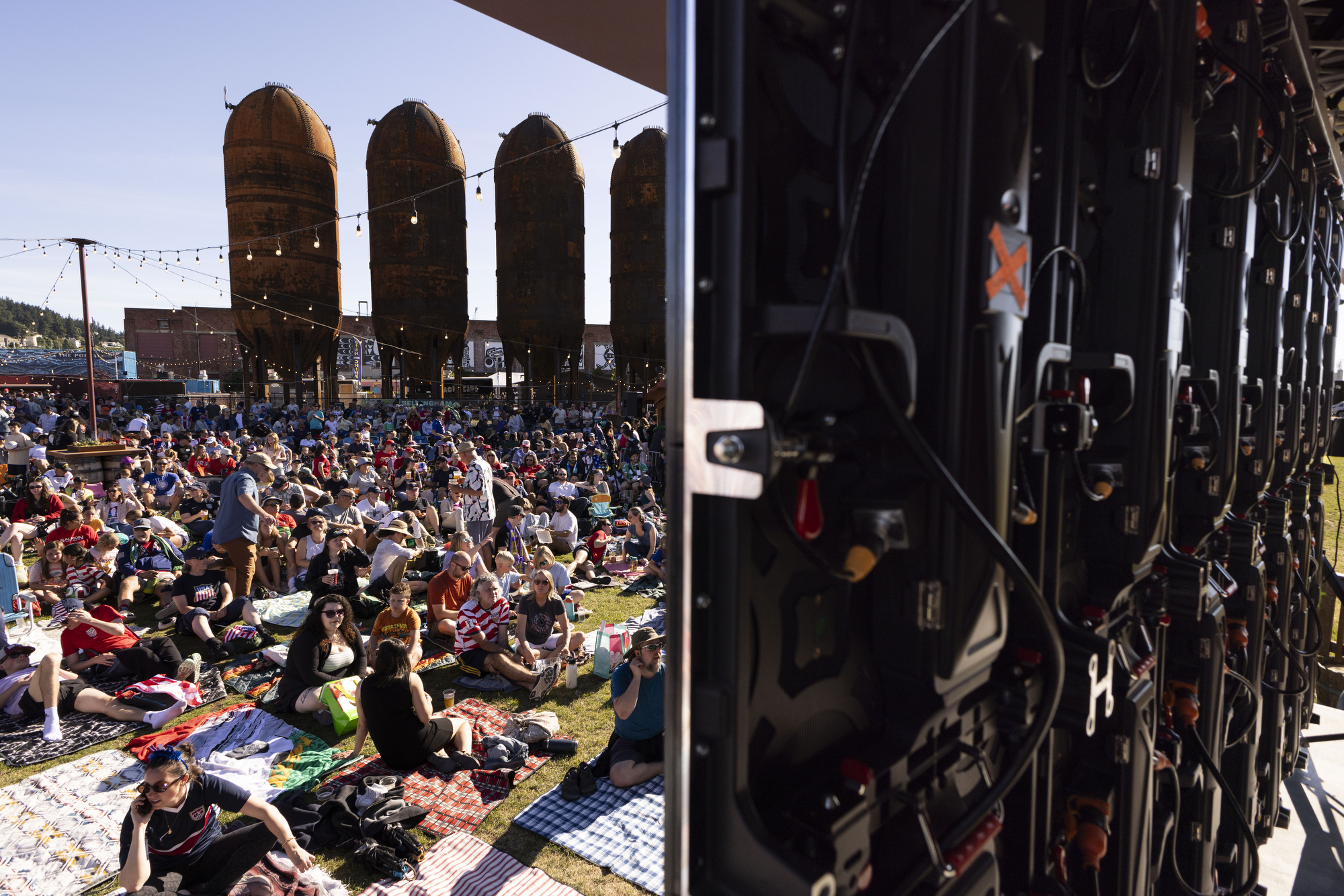
Kulshan Brewing Co.'s Trackside Beer Garden, located at the Bellingham waterfront, hosted several official watch parties for U.S. games and for matches played in nearby Seattle and Vancouver, British Columbia. The venue saw between 1,500 and 2,000 visitors per game, depending on weather and the matchup, according to Hazel Chorney, marketing manager for Kulshan Brewing. Those numbers put the watch parties on par with Trackside's busiest days of the year, including the Fourth of July and major waterfront festivals.
Chorney said the turnout was a revelation for the business. "What I think we've found is that there's a lot of soccer fans within our community, and that Bellingham's a great place for people to stop through and watch these games as well," she said. She described the experience as a "proof of concept" for future large-scale viewing events.
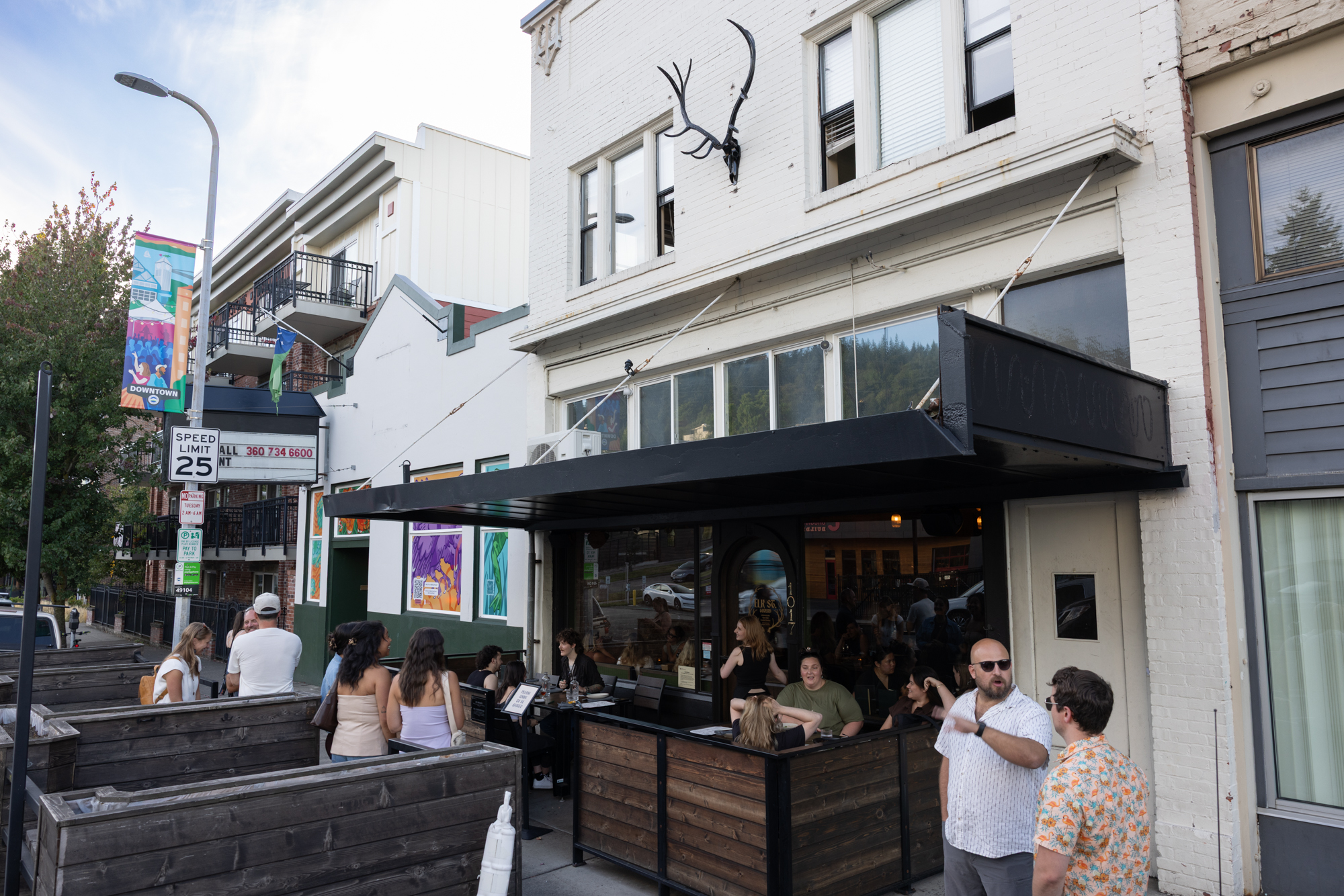
Mayor Kim Lund said the energy was visible across the city. "This summer was some of the most fun I've had in Bellingham and the energy, and excitement were palpable," Lund said in a statement. "Bars and breweries were consistently packed for the games, and I often saw watch parties spilling onto the sidewalks. Our local businesses did an incredible job hosting soccer fans and showing visitors what Bellingham is all about."
Downtown's Fan Zone Buzz
The activity was not limited to the waterfront. In downtown Bellingham more broadly, the fan zones and watch parties had what Jenny Hagemann, director of the Downtown Bellingham Partnership, described as an "immeasurable impact on the energy and vibrancy" of the area over the six weeks of the tournament. Restaurants, bars, and coffee shops near the watch party locations reported elevated foot traffic on game days, particularly when the U.S. men's national team was playing.
Bellingham's geography played in its favor during the tournament. With Seattle hosting multiple World Cup matches at Lumen Field, including U.S. group stage games, Bellingham positioned itself as a viewing hub for fans who wanted to watch the Seattle games without traveling all the way to the city. The roughly 90-minute drive made Bellingham an appealing option for fans from across the region, including British Columbia, who could watch games locally and still be close to the action in Seattle.
Kulshan Brewing Co. was among the breweries designated as an official Bellingham match viewing location, a status that helped drive organized crowds to specific venues rather than spreading attendance thinly across the city.
Hotel Picture Murkier, Data Coming Next Month
The strong bar and brewery numbers tell only part of the story. Hotel and lodging performance data for Bellingham during the World Cup period will not be available for another month or so, according to local officials. That data will come from the Washington State Department of Revenue's lodging tax reports, which are filed quarterly and take time to compile.
The concern is that while day visitors and local residents packed the taprooms, overnight hotel stays may not have increased as dramatically. Bellingham sits close enough to Seattle that many World Cup visitors to the region likely stayed in the city rather than traveling north. The tournament's match schedule also clustered games in Seattle and Vancouver, which may have drawn overnight visitors directly to those cities rather than to smaller regional hubs like Bellingham.
Full economic impact data, including hotel occupancy rates and overall visitor spending estimates, is expected to be released publicly next month. That data will give a clearer sense of whether the World Cup delivered lasting economic benefit or primarily boosted food and beverage sales for local businesses already serving the residential community.
What It Means Going Forward
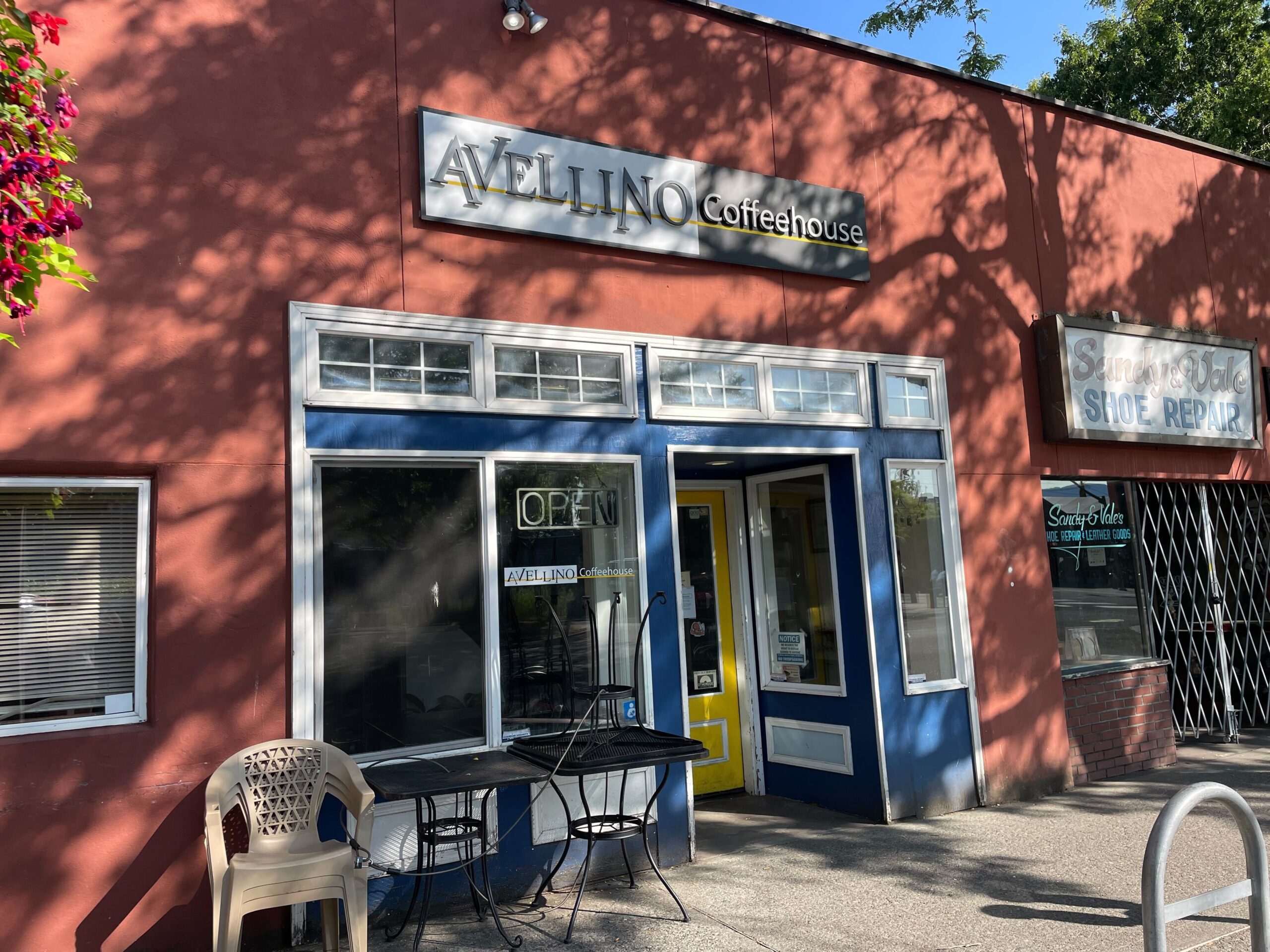
For Bellingham's hospitality and events community, the summer's watch party success raises questions about what comes next. The city has been working to strengthen its downtown commercial core, which has seen a string of business closures in recent months including the abrupt end of Avellino Coffeehouse after 20 years on Railroad Avenue. Events that drive consistent, reliable foot traffic to downtown businesses could help offset the pressure those businesses face from high rents and sluggish weekday traffic.
Chorney at Kulshan said the watch parties demonstrated that organized viewing events can fill a venue even when there is no music act or festival attached. That lesson may shape how local businesses approach future major sports events, whether that is future World Cups, international soccer friendlies, or other televised sporting events with broad community appeal. For a closer look at what is driving downtown business conditions, earlier coverage of downtown Bellingham activity provides helpful context. More information on the city's economic vitality efforts is available through the City of Bellingham.