Bellingham's city council is moving toward a vote on a seven-year exemption from the city's business and occupation tax for new businesses that open in the downtown core, Fairhaven, and Barkley Village. The measure, which council members are expected to vote on July 27, is designed to reduce the cost of opening a new business in commercial spaces that have been sitting vacant.
What the Tax Break Covers
The proposed exemption would waive the city's business and occupation tax, known as the B&O tax, on gross income for seven years for businesses that open a new location in the pedestrian core of downtown Bellingham. The same exemption would apply in Fairhaven and Barkley Village, two other commercial neighborhoods where the city has been working to support retail activity.
For most small businesses, the B&O tax is a relatively modest expense. Deputy city administrator Forrest Longman told the council Monday that for a typical small retail business, the tax can total between $500 and $1,000 per year. The exemption is not intended to dramatically lower a business's operating costs on its own. Instead, city officials see it as a signal of welcome -- a "tax vacation," as one official described it -- that reduces friction for entrepreneurs considering downtown locations.
The seven-year duration is notably generous compared to many municipal business incentive programs, which typically run two to five years. A seven-year window gives a new business enough time to move through the difficult early years of operation, establish a customer base, and reach a level of revenue stability before taking on the full weight of the local tax obligation. For an entrepreneur weighing the risks of opening in a neighborhood with a 15 percent ground-floor vacancy rate, a decade-length runway of reduced tax burden is a more meaningful signal than a two-year grace period would be.
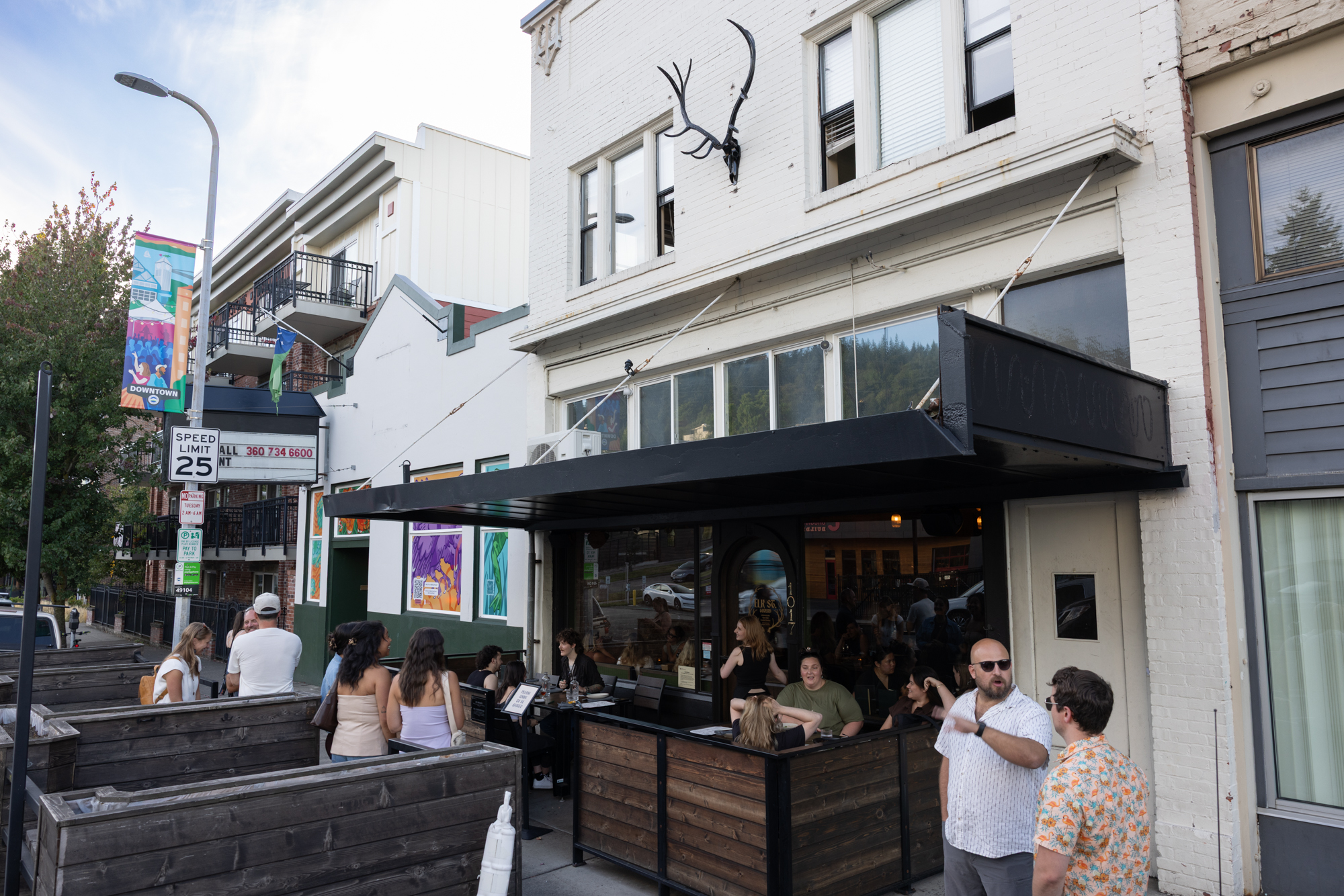
The focus on the downtown pedestrian core reflects a specific problem: ground-floor commercial vacancy in that area has reached nearly 15 percent, according to a recent city report. That is a high rate for a walkable urban district and one that contributes to the perception of downtown as struggling, even as upper-floor residential and office uses remain more active.
A String of Downtown Closures
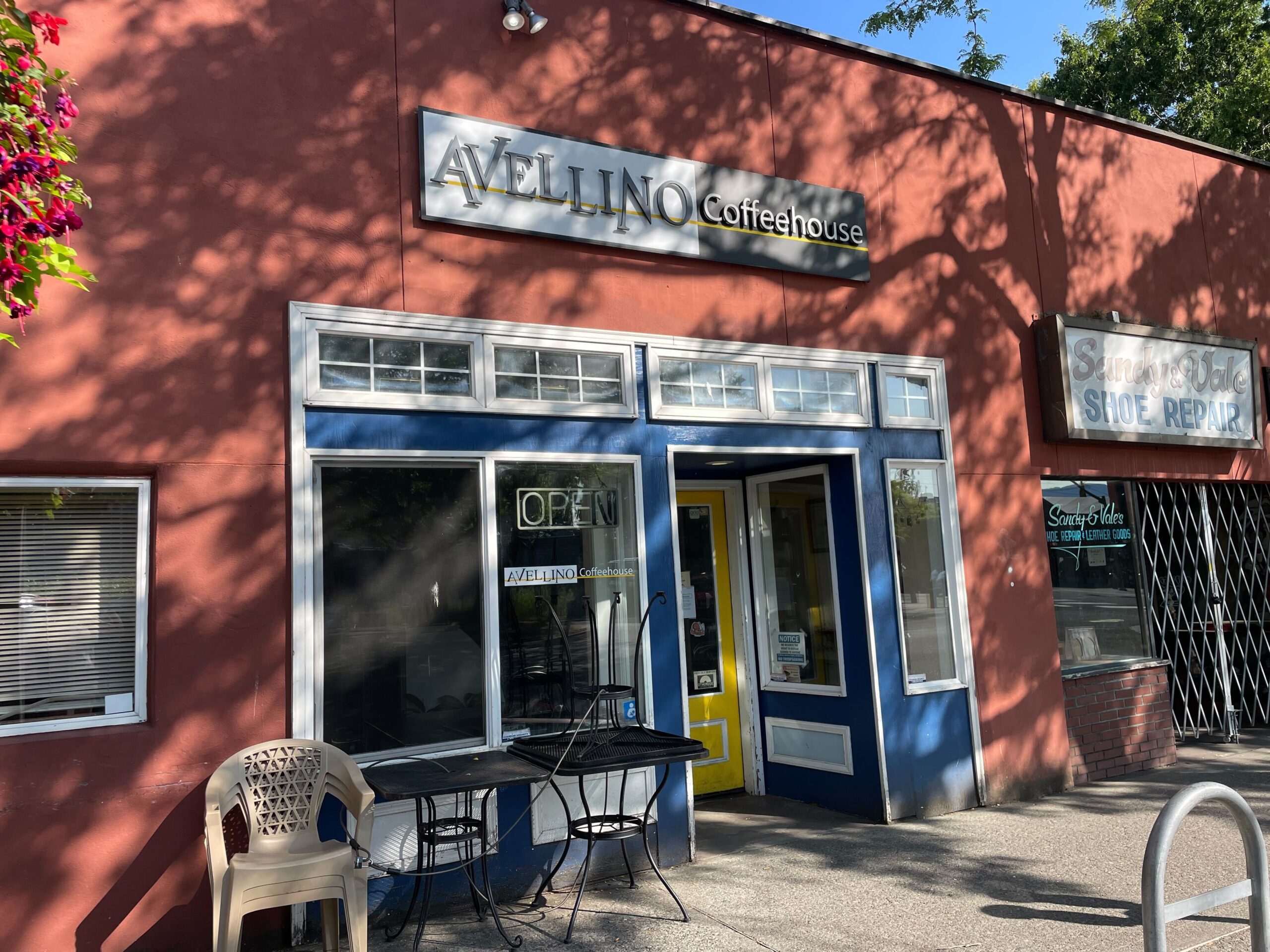
The proposal comes against a backdrop of painful recent closures. On July 11, Avellino Coffeehouse closed abruptly after 20 years in business at 1329 Railroad Ave., leaving a long-standing anchor of the Railroad Avenue corridor suddenly dark. Avellino's closure is the latest in a string of downtown shutterings over the past six months. Another downtown coffee and wine shop, Welcome Road Wine and Coffee, is also expected to close later in July.
Business owners who have closed have cited a combination of high rent, expensive wages, and insufficient foot traffic as the reasons they could not sustain operations. The B&O tax exemption would not address rent or wage pressures directly, but city officials argue that filling vacant spaces with new businesses creates a compounding effect: more open storefronts mean more foot traffic, which in turn makes neighboring businesses more viable.
Tara Sundin, Bellingham's community and economic development manager, acknowledged the difficulty of the current moment. "It's a tough time right now for some of these businesses," she told the council Monday. The exemption is one element of a broader economic vitality strategy ordered by Mayor Kim Lund through a recent executive order aimed at improving the city's commercial health.
The challenge facing downtown Bellingham is not unique to this city. Downtowns across smaller and mid-sized American cities have grappled with the same combination of rising commercial rents, e-commerce competition, and shifting foot traffic patterns since the pandemic disrupted established retail habits. What distinguishes Bellingham's situation is the degree to which the city's walkable core depends on ground-floor retail to maintain the vitality that makes the neighborhood attractive to residents and visitors alike. Empty storefronts create feedback loops: fewer open businesses reduce the reason to walk through an area, which reduces foot traffic for the businesses that remain, which makes those businesses more vulnerable to closure in turn.
Who Would Qualify
The exemption applies only to new businesses opening a new location. Existing downtown businesses that are already paying the B&O tax would not benefit, and businesses simply relocating within the downtown area would not qualify. The intent is to attract genuinely new commercial activity into spaces that are currently vacant, rather than to subsidize businesses already operating in the city.
The geographic focus is on the walkable pedestrian core of downtown, which generally runs along the Holly Street and Cornwall Avenue corridors and the surrounding blocks. Fairhaven Village and the Barkley Village commercial area near Rimland Drive are also included, reflecting the city's interest in supporting commercial vitality in Bellingham's neighborhood commercial centers, not just the traditional downtown core.
The July 27 Vote
The Bellingham City Council is scheduled to vote on the measure on Monday, July 27. If approved, the exemption would take effect and be available to qualifying businesses that open new locations after that date. The city has not indicated whether the exemption would have a sunset date or cap on the number of businesses that could benefit.
Residents who want to weigh in on the proposal can attend the July 27 council meeting or submit public comment through the city's website. More information about the business environment in downtown Bellingham, including information on available commercial spaces and city economic development programs, is available through the City of Bellingham's community and economic development office. For additional context on downtown Bellingham commercial activity, earlier coverage of Bellingham's commercial real estate market provides useful background.