Washington Governor Bob Ferguson announced Monday, July 13, that he intends to ask the state Legislature to make completing a federal or state financial aid application a requirement for high school graduation. The proposal would affect students across Washington, including the thousands of high schoolers in Bellingham, Ferndale, Lynden, and other Whatcom County school districts.
The Problem Ferguson Wants to Solve
Washington State ranks near the bottom nationally in the percentage of graduating seniors who complete the Free Application for Federal Student Aid, commonly known as the FAFSA, or its state equivalent. Only about 51 percent of Washington families submit the application, even though roughly half of all Washington families would qualify for some form of financial aid if they did.
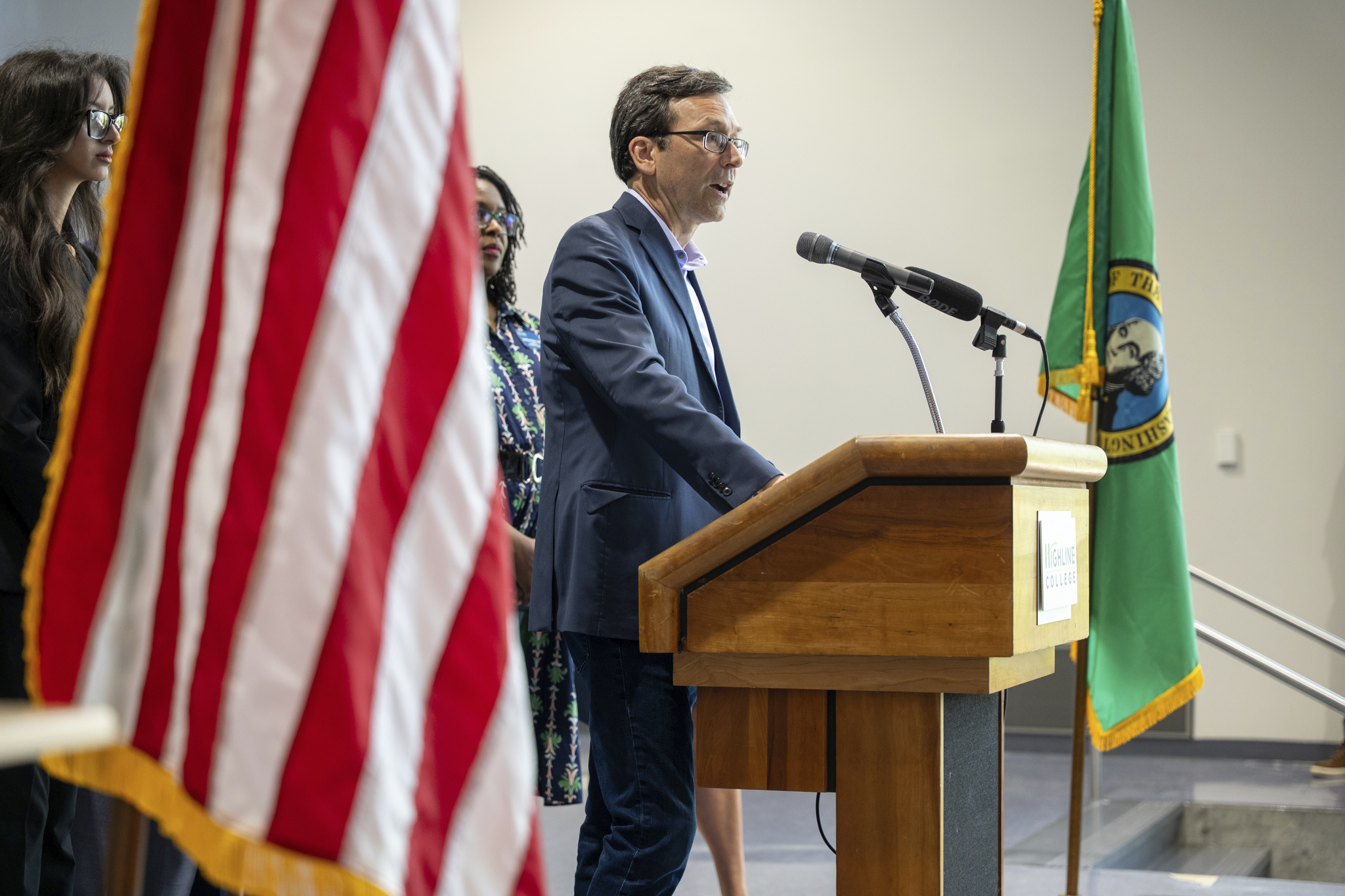
Ferguson made the announcement at a press conference at Highline College in the Seattle area on July 13. "Washington provides more free money for students to attend college or job training than virtually any other state in the nation, yet we haven't demonstrated the same commitment to helping students access that money," Ferguson said. "This legislation will unlock opportunities for thousands of young people across our state."
The proposal would require students to complete either the federal FAFSA or Washington's own Washington Application for State Financial Aid, known as WASFA, as a condition of receiving a high school diploma. The governor plans to request legislation from the 2027 Washington State Legislature.
What Is at Stake for Whatcom County Students
The financial stakes are significant. A family of four earning $83,500 or less per year could have college or career training fully covered through the Washington College Grant, the state's primary need-based financial aid program. Families earning between $83,500 and $139,500 can still qualify for partial funding. Those numbers cover a substantial portion of Whatcom County households, where median family incomes vary widely across communities from Bellingham to rural eastern areas of the county.
The federal Pell Grant, which requires FAFSA completion, provides up to several thousand dollars per year for low-income students pursuing undergraduate degrees. Students who do not fill out the FAFSA simply do not have access to that money, even if they would have qualified. When multiplied across hundreds of Whatcom County graduates each year, the unclaimed aid represents millions of dollars that could help local students avoid debt or make college financially possible in the first place.
Western Washington University President Sabah Randhawa spoke at Monday's press conference and called finances the "critical factor" holding students back from pursuing college degrees. Western Washington University, located in Bellingham, enrolls roughly 16,000 students, many of whom rely on financial aid to cover tuition and living costs. Randhawa's presence at the announcement signals strong institutional support for the policy from one of Bellingham's largest employers and educational anchors.
How the Policy Would Work
Under the governor's proposal, completing the FAFSA or WASFA would become a graduation requirement alongside existing academic credits. Students who are not U.S. citizens or eligible noncitizens cannot apply for federal aid through the FAFSA but could fulfill the requirement by completing the WASFA, which is available regardless of immigration status and covers state-funded programs.
The requirement would not obligate students to accept financial aid or to attend college. It simply ensures that every graduating senior has gone through the process of determining what funding they may be eligible for, giving them real information when making decisions about their next steps after high school. Supporters argue that many families skip the FAFSA because it feels complicated or because they assume they will not qualify -- and the requirement would eliminate that barrier by making the application a standard part of senior year.
Several other states have already implemented similar requirements. Tennessee, Illinois, and Louisiana have all passed FAFSA completion mandates and seen measurable increases in the percentage of students submitting applications and ultimately enrolling in postsecondary education.
What Comes Next
The governor's proposal is not yet law. Ferguson plans to bring a bill to the 2027 Legislative session, which begins in January. The bill will need to pass both the state House and Senate and be signed into law before it takes effect. Local school districts, including Bellingham Public Schools and Ferndale Public Schools, would be responsible for implementing the requirement for their graduating classes once the law is in effect.
Parents and students who want to get ahead of the change can complete the FAFSA now for the 2026-27 school year through the federal student aid website. The Washington College Grant application process runs through the Washington Student Achievement Council. School counselors at Whatcom County high schools can help students and families navigate both applications.