Bellingham residents will have their say on whether the city should permanently eliminate parking minimums at a public hearing scheduled for Monday, July 13, at 7 p.m. in the council chambers at City Hall. The move would make permanent a policy that has already been reshaping development in Bellingham for nearly a year and a half and that proponents say is essential to making housing more affordable in one of Washington's fastest-growing cities.
The public hearing comes after the city's planning commission formally recommended a set of permanent regulations closely tracking the interim ordinance the Bellingham City Council first passed in January 2025. Residents can attend in person at 210 Lottie Street, participate virtually through the city's meeting portal, or submit written comments beforehand that become part of the official record.
How Bellingham Got Here
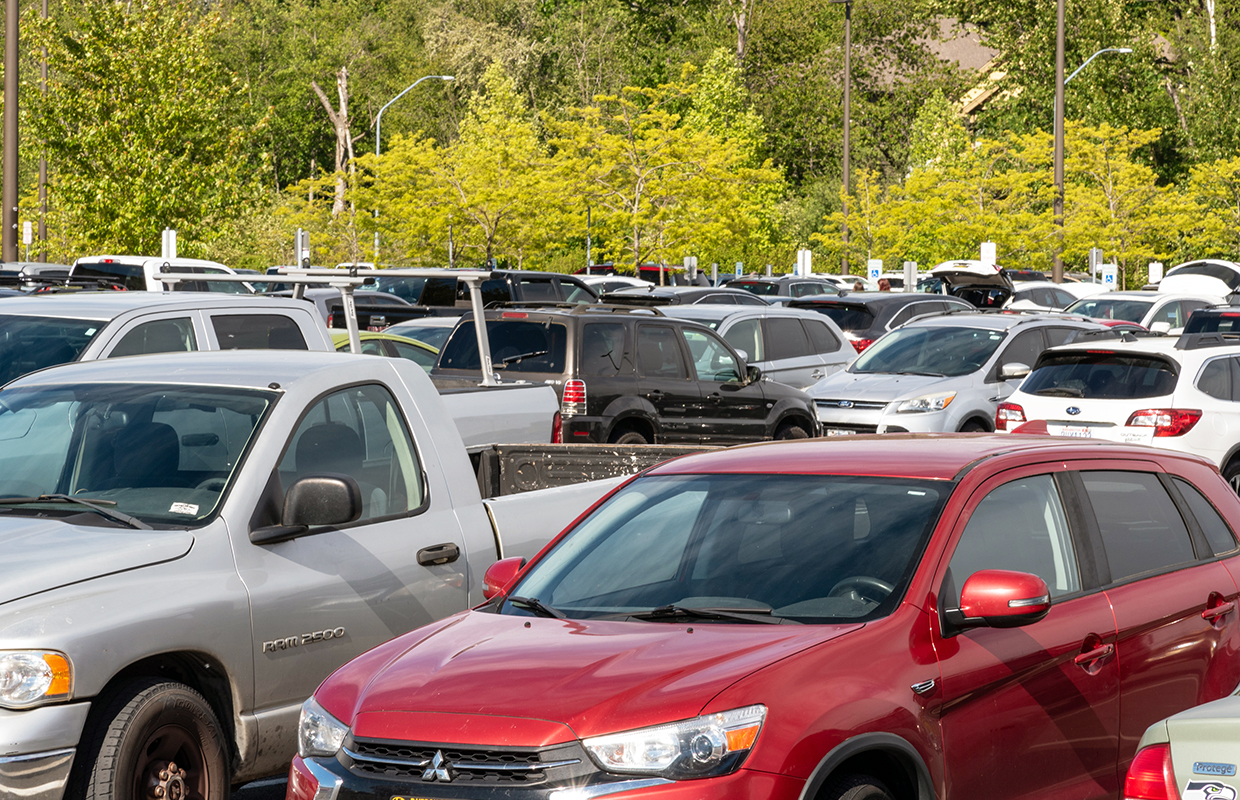
For decades, Bellingham's zoning code required developers to build a specified number of off-street parking spaces for every new project, calibrated by the number of residential units or by square footage for commercial and mixed-use buildings. The cost of constructing that parking, whether in surface lots or structured garages, was folded into the cost of housing and passed along to renters and buyers.
The push to change this became central to Mayor Kim Lund's housing executive order. On January 13, 2025, the city council approved an interim ordinance suspending parking minimums citywide. The ordinance took effect January 28, 2025, and has since been extended twice: once in November 2025 and again in June 2026. Under current rules, it remains in effect through at least January 28, 2027.
During this period, developers have been free to decide how much vehicle parking, if any, to include in new projects. At least one proposed 54-unit apartment building in Bellingham is moving forward with zero on-site vehicle parking spaces, something that would have been impossible under the prior code. According to city planning staff, research consistently shows that parking requirements drive up housing costs and reduce the supply of buildable land.
What the Permanent Rules Would Look Like
The planning commission's recommended permanent regulations closely mirror the interim ordinance but add one notable element: mandatory minimums for bicycle parking, calibrated by location and proximity to transit. The idea is that removing requirements for car parking should go hand in hand with making it easier to get around without one.
For vehicle parking, the permanent rules would allow developers to decide what's appropriate for their project. A builder who expects residents to own cars would still be free to include parking; one who expects residents to rely on transit, biking, and rideshare would be free to skip it. Neighbors who have long worried about spillover parking on residential streets if new apartment buildings attract car-owning residents will have an opportunity to raise those concerns directly at Monday's hearing.
City staff are expected to present data on the interim ordinance's actual impacts, including how new projects have been designed and what effects, if any, have materialized on surrounding street parking. So far, the city has not reported dramatic parking shortfalls in affected neighborhoods, though some residents have reported tighter competition for street parking near denser developments.
The Statewide Context
Bellingham is not acting in isolation. Washington Senate Bill 5184, which takes effect in January 2027, will limit local governments' authority to require parking for smaller residential units, specifically those under 1,200 square feet, in areas near transit. Bellingham's proposed permanent rules go further than the state mandate, applying to all new development citywide and removing parking minimums for larger units as well.
Cities including Portland, Spokane, and several Seattle neighborhoods have adopted similar reforms in recent years, with mixed but generally positive results for housing production and affordability. The Urbanist, which covers Pacific Northwest housing policy closely, has tracked Bellingham's parking reform as part of a broader regional shift away from mandated car storage in urban areas.
How to Participate
The hearing takes place Monday, July 13, at 7 p.m. in the council chambers at City Hall, 210 Lottie Street, Bellingham. Virtual participation is available through the city's online meeting portal. Written comments submitted before the hearing are entered into the official record and reviewed by council members.
This is one of the most consequential land-use votes the council has taken up in years. Parking minimums may sound like a technical planning detail, but they directly shape how much it costs to build housing in Bellingham, how dense neighborhoods can become, and how the city grows as thousands of new residents arrive each year. More information on the permanent proposals, including the full ordinance text, is available through the City of Bellingham Parking Reforms page. Also: flood recovery aid for Whatcom County families.