A 49-year-old Bellingham man died on the Fourth of July after his 18-foot power vessel capsized in Bellingham Bay, bringing a tragic end to what should have been a celebration along the waterfront. The U.S. Coast Guard and Bellingham Fire Department responded within minutes, but responders were unable to revive the man.
What Happened on July 4
Watchstanders at Coast Guard Sector Puget Sound received a report at approximately 6 p.m. on July 4, 2026, of a single-person vessel capsizing in the bay. Dispatchers immediately issued an urgent marine information broadcast to alert nearby mariners and diverted a 45-foot Response Boat-Medium crew from Coast Guard Station Bellingham.
When the crew arrived, they found the 18-foot power vessel overturned in the water. Crew members temporarily righted the capsized boat as a separate vessel from the Bellingham Fire Department arrived alongside. Two Coast Guard personnel transferred to the Bellingham Fire boat to help recover the unresponsive man from the water. Responders performed CPR and administered emergency medical care as he was transported to Coast Guard Station Bellingham, where emergency medical services pronounced him dead.
At the time of the incident, conditions on the bay included 11 mph winds from the south, 1-foot waves, a 62-degree air temperature, and a 51-degree water temperature, according to Petty Officer Daylan Garlic, a public affairs specialist for the U.S. Coast Guard Northwest District.
"Our deepest condolences go out to the family, friends and loved ones of the man who was lost in this tragic incident," said Lt. William Trumper, commanding officer of Coast Guard Station Bellingham. "This is a heartbreaking reminder of the dangers mariners face. Our thoughts remain with all those who are affected by this incident during this incredibly difficult time."
Bellingham Bay and Its Hidden Hazards
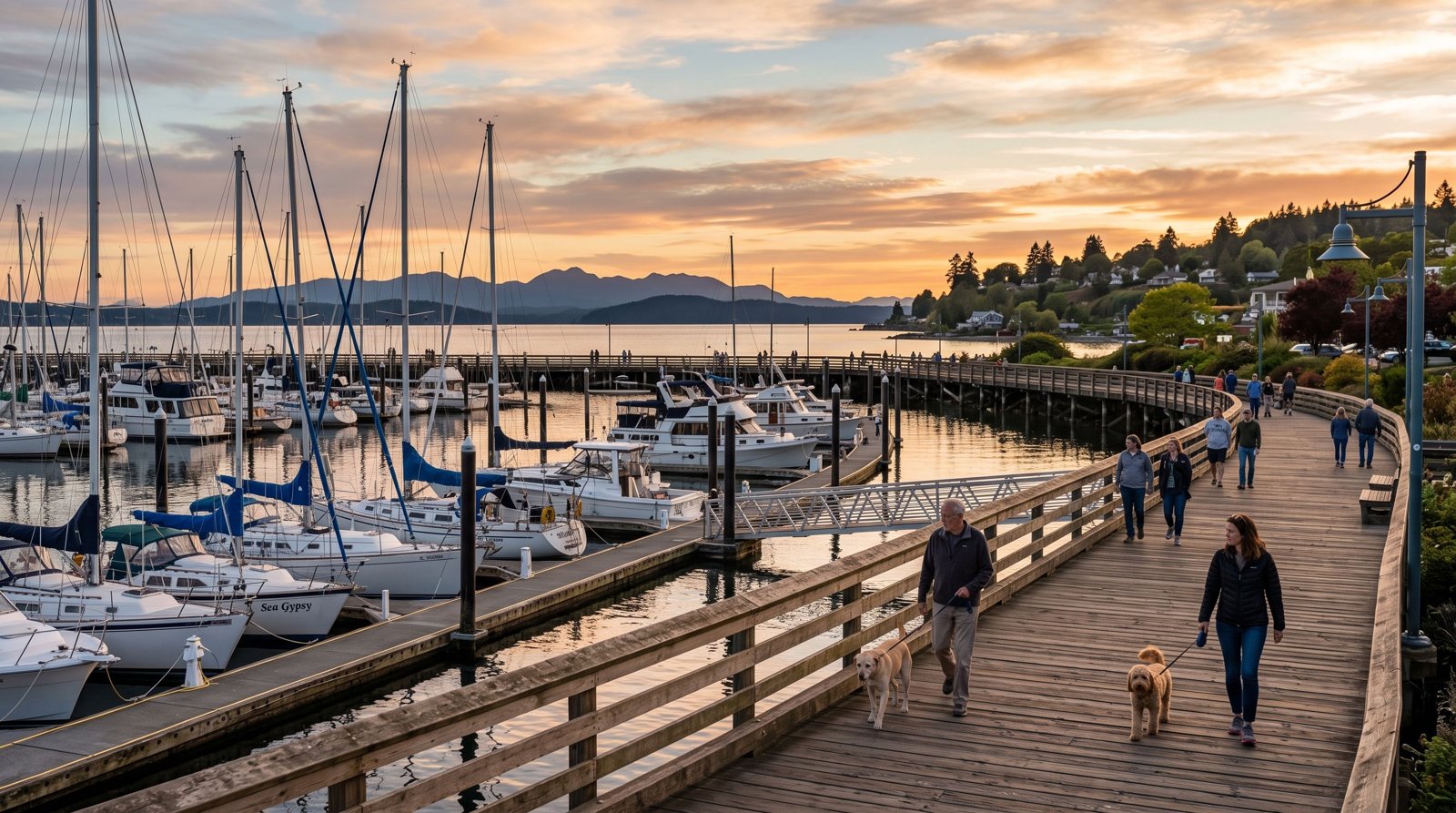
Bellingham Bay stretches between the Bellingham waterfront and the outer islands of the San Juan archipelago, drawing thousands of boaters, kayakers, and paddleboarders every summer. The bay can be deceptively challenging for small vessels. Afternoon winds routinely build to 10 to 20 mph from the south as warm air draws across the inland waters of Puget Sound, creating short, steep chop that can swamp small open boats quickly and with little warning.
Water temperature presents a more immediate danger than most boaters recognize. Cold water immersion triggers involuntary gasping, hyperventilation, and rapid loss of muscle control within one to three minutes in water below 60 degrees Fahrenheit. With a recorded water temperature of 51 degrees on July 4, anyone entering the water unexpectedly would face severe physiological shock almost immediately. Even strong swimmers lose the ability to self-rescue within minutes at those temperatures, a condition known as cold water incapacitation.
The Port of Bellingham manages marina facilities at Squalicum Harbor and Bellingham Cruise Terminal, which serve as primary launch points for recreational boaters heading onto the bay. During peak summer holidays like the Fourth of July, boat traffic increases significantly and conditions can deteriorate rapidly as afternoon sea breezes build.
What the Investigation Will Determine
The Whatcom County Medical Examiner's Office is responsible for determining the official cause and manner of death. The specific circumstances that led to the capsize -- whether the vessel encountered an unexpected wake from a larger vessel, a mechanical failure, or operator error -- had not been released as of Tuesday.
The Coast Guard routinely investigates marine casualties to identify contributing factors and develop safety recommendations that can prevent future incidents. Capsizing events in apparently calm conditions are commonly linked to overloading, improper weight distribution, or being struck by the wake of a passing vessel. A formal investigation report typically takes several months to complete and is made publicly available through the U.S. Coast Guard's Marine Information for Safety and Law Enforcement database.
Boating Safety on Bellingham Bay
The incident comes at the height of boating season. Data from the U.S. Coast Guard's annual recreational boating statistics consistently show that the large majority of boating fatality victims were not wearing a personal flotation device at the time of the accident. Washington state law requires that every vessel carry a Coast Guard-approved life jacket for each person aboard; children under 13 must wear one at all times while the vessel is underway.
Beyond life jackets, the Coast Guard recommends that boaters file a float plan with someone on shore before departing, carry a VHF marine radio tuned to Channel 16, and check the National Weather Service marine forecast before getting underway. Puget Sound marine zone forecasts are updated four times daily and are available at marine.weather.gov.
Coast Guard Station Bellingham maintains around-the-clock readiness for search and rescue responses throughout the northern Puget Sound region. Anyone witnessing a marine emergency on Bellingham Bay should call the Coast Guard on marine Channel 16 or dial 911 immediately. Rapid response is the single most effective factor in improving survival outcomes in cold water emergencies.
This story will be updated as additional information becomes available from the Whatcom County Medical Examiner's Office or the U.S. Coast Guard Northwest District.