The City of Bellingham is pressing forward with a $40 million upgrade to the aging incinerators at its Post Point Wastewater Treatment Plant while searching for a long-term replacement technology. Environmental advocates argue the city's plan is too slow -- one that could keep the current incineration system running until 2040 or beyond. The disagreement is not about whether to end incineration but about how fast cities can realistically make the transition.
The City's Plan: Upgrade Now, Replace Later
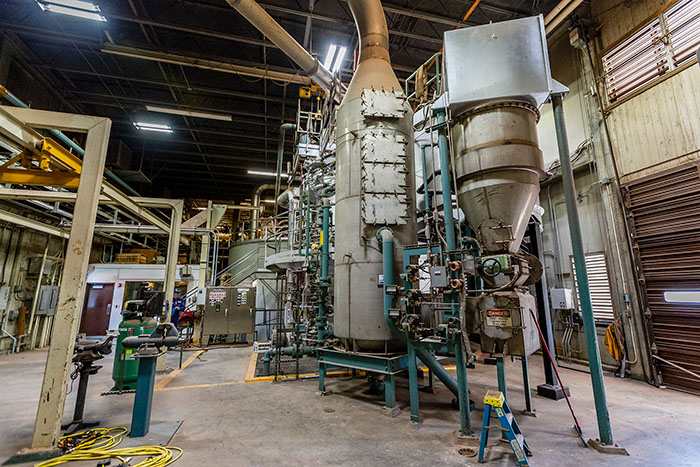
Post Point treats approximately 12 million gallons of wastewater daily from Bellingham and portions of Whatcom County. At the core of the facility are two aging sewage sludge incinerators that burn dewatered sludge, producing ash that is landfilled and air emissions that pass through scrubber systems before release.
Following a 2024 Notice of Violation from the Northwest Clean Air Agency and a November 2025 settlement agreement, the city is implementing the Emission Control Upgrades Project (EU199). The approximately $40 million project -- funded through sewer funds and revenue bonds -- will replace aging pollution control equipment including the afterburner, scrubbers, and a wet electrostatic precipitator to bring the facility into compliance with stricter federal and state air standards. Engineering consultant Brown and Caldwell is leading the design phase. The city expects to release a construction RFP in 2026, with construction targeted from 2027 through 2030.
Public Works Director Joel Pfundt has been unambiguous that incineration at Post Point must end. The question, he says, is timing.
"At Public Works, we feel it's important that we move away from incineration," Pfundt said. "The disagreement with the community is not a question about if, it's about when."
Mayor Kim Lund, speaking at a June 15 City Council meeting, agreed that an alternative is necessary but cautioned against adopting unproven technologies prematurely.
"There is a vast difference between promising and proven," Lund said.
What the Advocates Want -- and Why
RE Sources, a Bellingham environmental nonprofit that manages the North Sound Waterkeeper program, has become the leading voice pushing for faster action. Kirsten McDade, North Sound Waterkeeper at RE Sources, argues that every additional year of incinerator operation means ongoing emissions of toxins that alternative technologies would eliminate or dramatically reduce.
"The incinerators will always emit toxins even if we meet the most stringent air quality and water quality regulations out there," McDade said. "The sooner we can implement these newer technologies, the better. We think that even 10 years is too long for these incinerators to keep running."
On April 27, RE Sources presented a community petition against the incinerator upgrade to the City Council bearing more than 1,300 signatures. McDade's concern is that by the time the upgrade is completed, a replacement technology is selected, permits are secured, and construction finishes, the Post Point incinerators may still be running in 2040 -- at which point the chosen replacement technology could itself be approaching obsolescence.
Gasification: What Is It and Why Are Advocates Pushing It
The alternative technology at the center of the debate is gasification -- a thermal process in which dewatered sewage sludge is processed in a high-temperature, low-oxygen environment. Because oxygen is severely limited, the sludge does not combust into ash as it would in an incinerator. Instead, it breaks down chemically, producing a combustible gas called syngas that can be captured for energy recovery, along with a small volume of solid material.
Advocates argue gasification offers multiple advantages over conventional incineration: it destroys PFAS and other persistent organic pollutants more completely than combustion; it produces far less particulate matter and fewer regulated air pollutants; and it can be designed to be carbon-neutral or carbon-negative depending on how the syngas is used.
City Public Works staff traveled to Bethel, Pennsylvania on May 14, 2026, to tour a gasification facility built by Earthcare Solutions, the company RE Sources has identified as a viable near-term option. The Earthcare unit processes roughly 40 tons of dewatered sludge per day -- a volume that matches Bellingham's output -- and is estimated to cost approximately $35 million to build. RE Sources members have also toured the facility and a separate unit in New Jersey.
City officials who reviewed the Bethel facility acknowledged its operational performance but raised questions about regulatory pathways, permitting timelines, and performance guarantees for gasification in Washington's regulatory environment. Permitting a first-of-kind facility in a new state takes time that the city has not yet fully scoped.
Why This Matters for Bellingham Neighborhoods
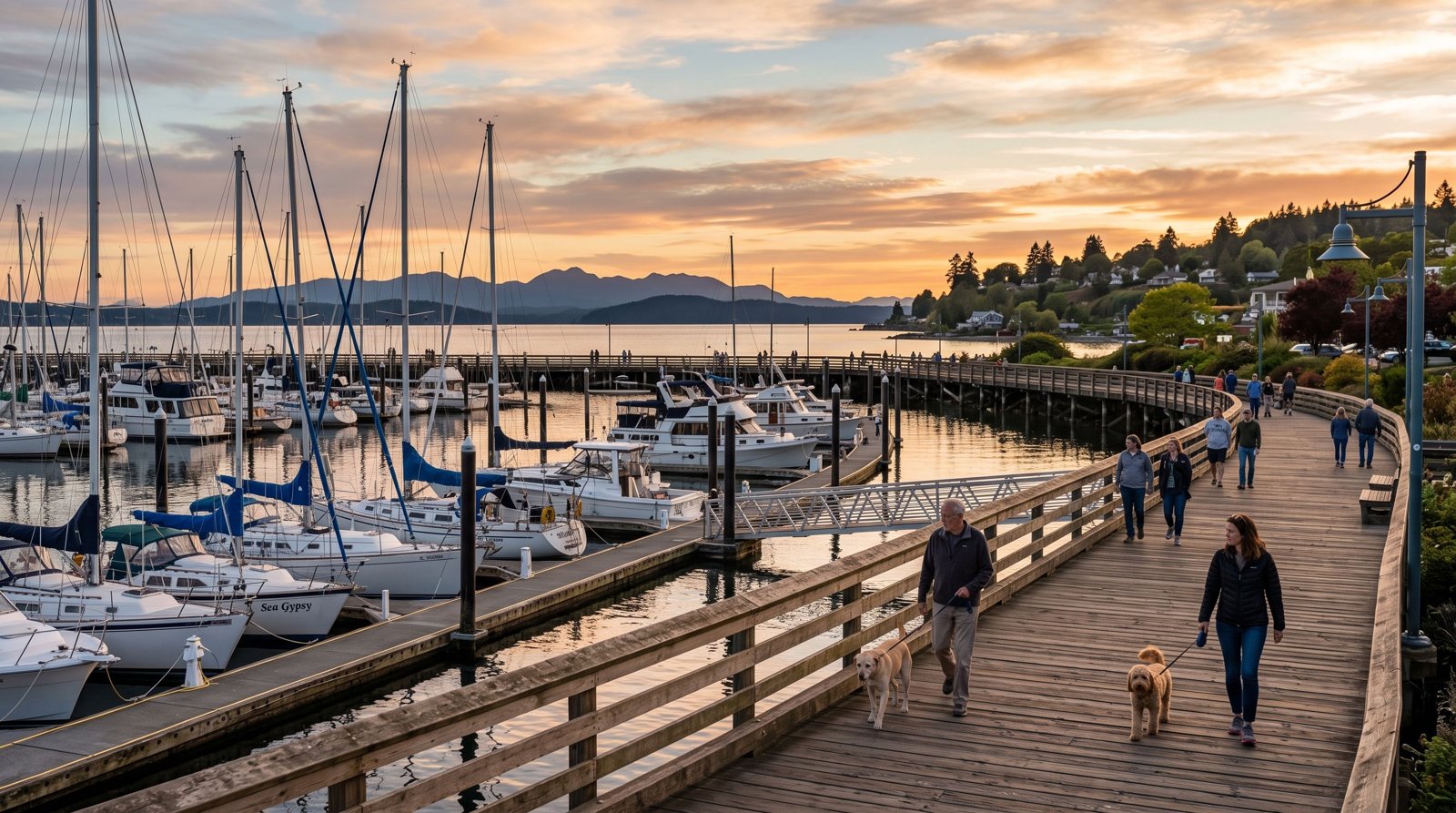
Post Point sits near Boulevard Park and Squalicum Harbor, areas heavily used by walkers, cyclists, and boaters. Neighborhoods downwind of the plant have historically raised concerns about odor and particulate exposure. The 2024 NWCAA violation was a formal acknowledgment that the current system was not meeting existing standards at the time.
Beyond air quality, the incinerators produce ash landfilled off-site -- a waste stream with its own environmental footprint. PFAS contamination in wastewater biosolids is a growing national concern, and incineration redistributes those compounds to air, ash, and potentially landfill leachate rather than destroying them permanently.
The city plans to hold community meetings to gather public input on values and goals for long-term solids handling at Post Point, though no dates had been set as of this reporting.
What Happens Next
The design phase for the EU199 incinerator upgrade continues with Brown and Caldwell. The city anticipates releasing a construction RFP later in 2026, with major construction work running from 2027 through 2030. In parallel, city staff will continue evaluating alternative long-term technologies, with a target decision window of 2030 to 2035 on what replaces the incinerators permanently.
Whether the timeline satisfies advocates -- or triggers further political pressure and renewed petition campaigns -- will unfold as community meetings are scheduled and the council revisits the issue in future budget cycles. The City of Bellingham's Post Point project page provides current updates on the upgrade process, and RE Sources publishes ongoing advocacy materials at re-sources.org.