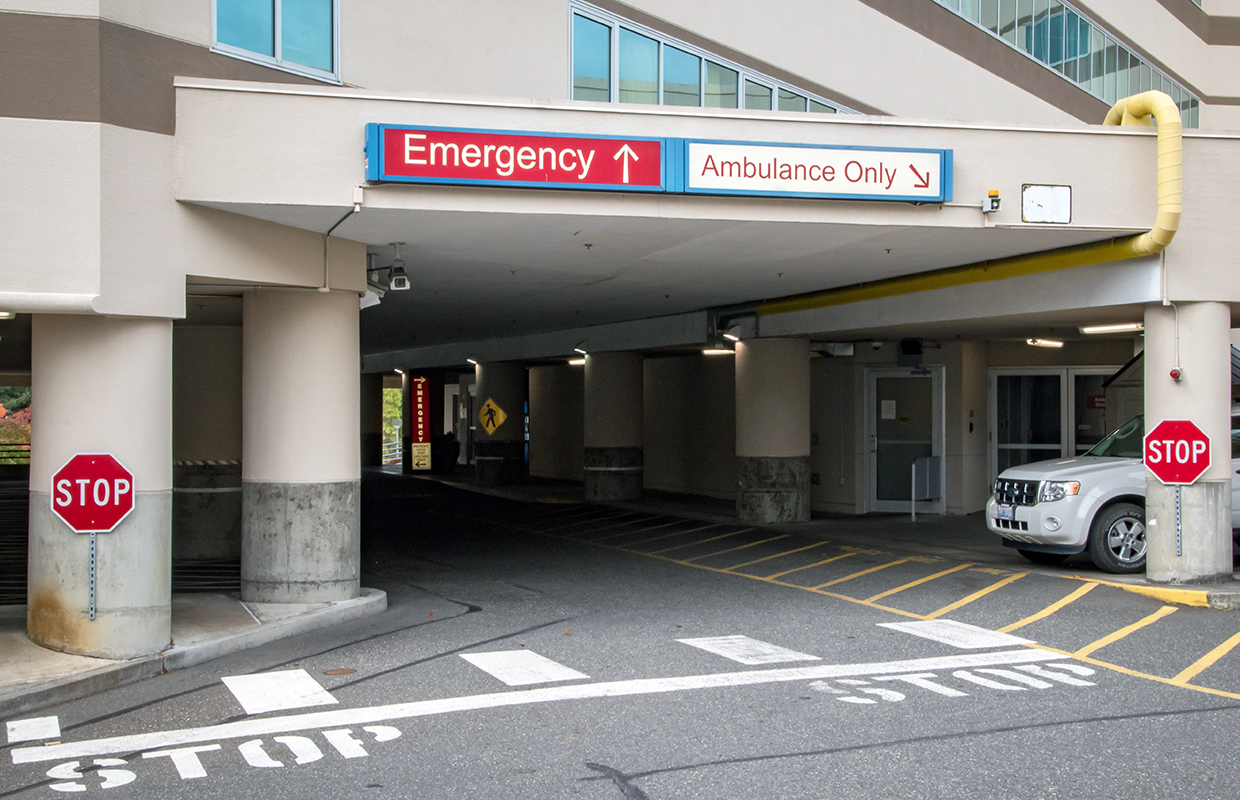
PeaceHealth St. Joseph Medical Center in Bellingham treated 14 patients for fireworks-related injuries over the Fourth of July weekend -- nearly three times the five cases reported during the same period last year. The Whatcom County spike coincided with a similar pattern statewide, including a 65 percent increase in fireworks injuries at Harborview Medical Center in Seattle compared to the prior year.
The injuries treated at PeaceHealth St. Joseph included serious wounds to hands, faces, and eyes, along with burns and eardrum damage. Physicians described the severity as consistent with direct contact with consumer-grade fireworks, including devices that malfunctioned or were mishandled.
What Drove the Increase
Emergency medicine professionals point to several converging factors. Consumer fireworks remain legal in unincorporated Whatcom County and in many surrounding rural jurisdictions, even as they are banned within Bellingham city limits. Residents who want to use fireworks often travel to private rural land or purchase devices at roadside stands operating in the days before Independence Day.
"This is a troubling increase," said Tim Fredrickson, Harborview's associate chief nursing officer. "More importantly, these are all individuals whose holiday ended in the emergency department instead of with family and friends. Many of the injuries are severe, including burns, hand and eye trauma that may carry lifelong consequences. Most were preventable."
The Whatcom County increase reflects a broader national pattern. Emergency room data from the Consumer Product Safety Commission consistently shows the Fourth of July produces more fireworks injuries than any other single day of the year, with an estimated 10,000 to 12,000 people treated nationwide in a typical year. Hands and fingers account for the largest share of injuries, followed by eyes and face.
The Types of Injuries and Why They Happen
Fireworks injuries fall into two primary categories: burns and blast injuries. Burns result from direct flame contact, sparks, or radiant heat from aerial shells. Blast injuries -- generally the more serious category -- occur when a device malfunctions and explodes unexpectedly, or when a person holds a device too long before it fires.
Eye injuries are among the most devastating outcomes. Fireworks can produce high-speed fragments at distances that seem safe to bystanders, and observers standing well back from a device have suffered permanent vision loss from debris. Eardrum damage, reported in several of this weekend's Whatcom County cases, typically results from the concussive blast of large-bore mortar-style fireworks or illegal devices that produce louder reports than consumer-grade products are supposed to allow.
Physicians at burn centers consistently report that one of the most common scenarios for severe fireworks injuries involves someone re-approaching a device that appeared to misfire. A device that fails to launch may still be live and can detonate the moment it is disturbed -- one of the leading causes of severe hand and facial injuries seen in emergency departments each year on the Fourth of July.
Where Fireworks Are and Are Not Legal in Whatcom County
Consumer fireworks are prohibited inside Bellingham city limits year-round. The ban covers all aerial fireworks, ground-based devices that explode or shoot projectiles, and anything that produces sparks above a minimal height. Bellingham Police and Bellingham Fire Department enforced the ban over the holiday weekend with warnings and citations for violations.
Outside city limits, Washington state law allows common fireworks -- devices that don't leave the ground and don't produce a report louder than a legal threshold -- during the days around July 4. Many Whatcom County residents use rural properties, private agricultural land, or gravel pits to set off fireworks legally. However, the patchwork of county fire regulations, dry summer conditions, and proximity to woodlands makes even legal fireworks use a calculated risk in many parts of the county.
Whatcom County fire departments advise residents to check current burn ban status before using any fireworks or open flame outdoors. With a BC wildfire currently sending smoke into eastern Whatcom County and dry conditions forecast through the coming week, fire conditions warrant extra caution. During Stage 1 burn bans, even consumer fireworks can be restricted in unincorporated areas regardless of state law.
What to Do If Someone Is Injured
For any injury involving significant burns, eye wounds, or hand trauma, call 911 rather than transporting the patient independently. Paramedics can begin treatment en route and alert the emergency department to prepare for arrival.
For minor burns, running cool water over the area for 10 to 15 minutes and then covering loosely with a clean cloth is appropriate first aid while awaiting care. Eye injuries should not be rubbed or flushed with anything other than clean water, and the person should be seen by a physician quickly -- injuries that initially seem mild can worsen within hours.
The 14 cases at PeaceHealth St. Joseph this weekend represent a significant single-weekend caseload. Each one represents a family whose holiday ended in the emergency room rather than at the celebrations they had planned. All 14 were preventable with different choices about how, where, and whether to use consumer fireworks in the first place.