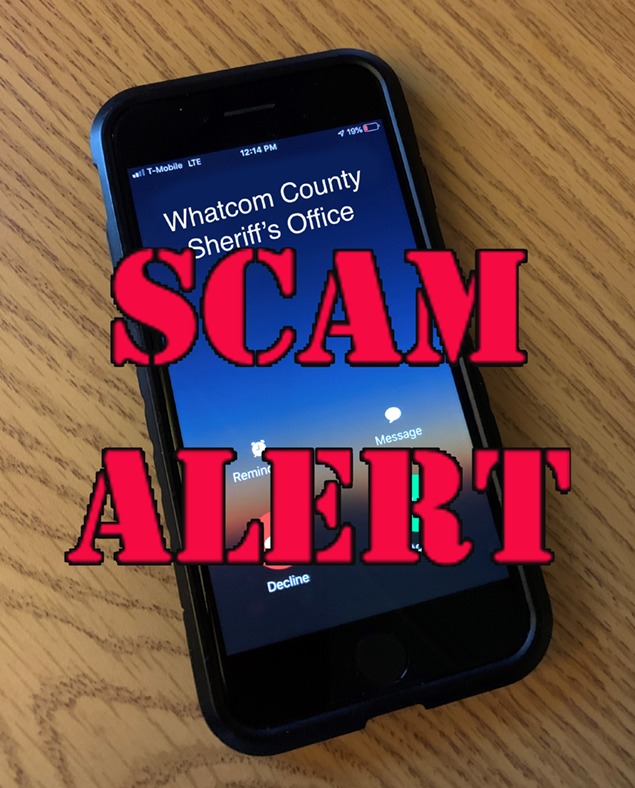
The Whatcom County Sheriff's Office is once again raising the alarm about a troubling and persistent type of fraud targeting local residents. Officials are seeing another uptick in reports of scam phone calls centered on a simple but emotionally devastating premise: someone you love has been arrested, and you need to pay money right now to help them. The message from law enforcement is equally simple: just hang up.
These scams follow a well-worn script. The caller claims to be a law enforcement officer, a jail official, or sometimes even a family member acting on behalf of the arrested person. They tell you that your loved one is in custody and needs immediate payment to post bail, receive medical treatment, or cover the cost of ankle monitoring equipment. The urgency is manufactured and deliberate. Scammers want you panicking, not thinking.
What makes these calls particularly convincing is how sophisticated the caller ID spoofing has become. Many of the calls arrive showing local Whatcom County area codes and prefix numbers. Some appear to originate from official law enforcement agencies. The Sheriff's Office is clear: this is technically faked. Despite the realistic appearance of the incoming number, the vast majority of these callers are located out of state or outside the United States entirely, making them extremely difficult to identify, track, or prosecute through normal law enforcement channels.
The message from the Sheriff's Office is direct and worth repeating: law enforcement will never contact you by phone and ask you to pay money. No one from the Whatcom County Sheriff's Office, the Bellingham Police Department, or any other legitimate agency will call you and request payment for bail, medical care, ankle monitoring, or anything else. If you receive a call like this, the right response is to end the call immediately without engaging with the caller.
If you are genuinely worried about a family member after receiving such a call, the correct next step is to independently verify their status. Call the Sheriff's Office non-emergency line directly using a number you look up yourself, not a number provided by the person who called you. You can also check booking information through official county channels. Do not call back the number that contacted you, and do not share any personal or financial information with the caller.
These scams frequently request payment through channels that are nearly untraceable and entirely unrecoverable once sent: gift cards, wire transfers, and cryptocurrency are the most common. No government agency, court, or law enforcement office will ever instruct you to pay a fine, fee, or bail amount using a gift card purchased at a convenience store or grocery chain. If anyone asks for payment this way, you are being scammed without exception.
This type of fraud has circulated nationally under names like the "grandparent scam" or "loved one in jail scam" for years, but local reports in Whatcom County have seen renewed frequency in recent weeks. The Sheriff's Office is asking residents to spread this warning widely, with particular attention to elderly family members and neighbors who may be less familiar with these tactics and more susceptible to the emotional manipulation involved. The Federal Trade Commission's complaint portal accepts reports of these scams and tracks patterns that help law enforcement target the networks running them.
If you receive one of these calls, you are also encouraged to report it to the Whatcom County Sheriff's Office non-emergency line. The more reports local authorities receive, the better they can document the pattern and inform future public warnings. The Whatcom County Sheriff's Office also recently posted about related safety information at their annual community event. Deputies and emergency management staff will be available to answer questions at the Barkley Safety Fair this Saturday, June 6.
The single most effective tool against these scams remains awareness. When people know the script in advance, they are far less likely to be caught off guard by it. Share this warning with your family, forward it to neighbors, and have the conversation before someone you know gets one of these calls on a vulnerable afternoon when the panic hits before the skepticism does.