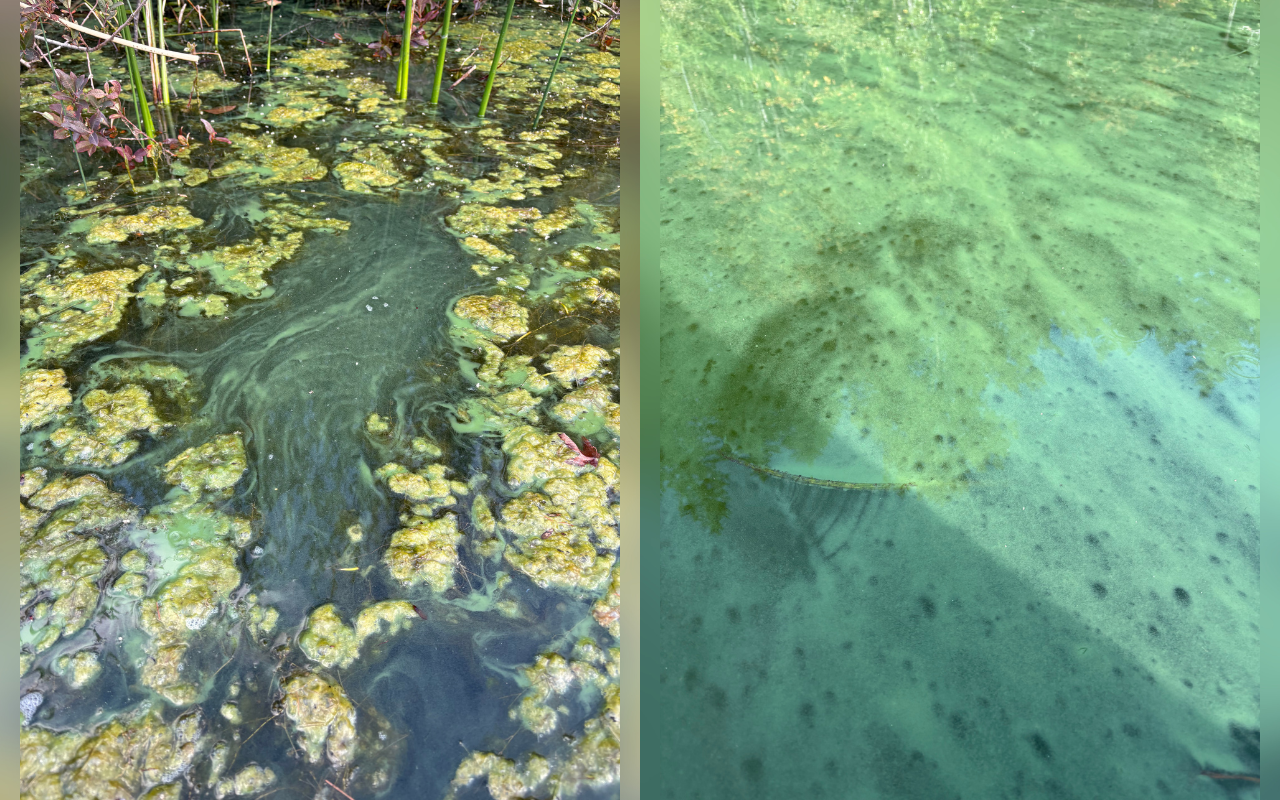
Bellingham residents planning to swim, kayak, or let their dogs play at Lake Padden are being urged to use caution after environmental nonprofit RE Sources detected large algae blooms during its monthly monitoring visit on Tuesday, September 15. The blooms were found near the boat launch and on the northwest end of the lake near the tennis courts, and RE Sources is advising people and their pets to avoid all contact with the affected algae until toxin test results come back.
RE Sources sent an algae sample to the King County Environmental Lab for a toxin level analysis. Results were expected to be released by Friday, September 18, or the following Monday, September 21. Until those results are available, the advice is to stay clear of any areas where algae is visible on the water's surface. The blooms appear as a thick, greenish layer that can look like spilled paint.
What Kind of Algae and Why It Matters
The blooms observed at Lake Padden are consistent with what is commonly called blue-green algae, though the technical term is cyanobacteria. These are not true algae but photosynthetic bacteria that can form dense surface blooms in warm, nutrient-rich water. Some species of cyanobacteria produce toxins, called cyanotoxins, that can cause skin irritation, eye problems, vomiting, and in severe cases, liver damage or neurological effects in humans and animals, particularly dogs.
Pets are at elevated risk because they tend to drink lake water and lick their fur after swimming, increasing their exposure. The City of Bellingham and Whatcom County Health have previously advised against touching any algal blooms at Lake Padden out of an abundance of caution, even before toxin test results confirm the species present.
RE Sources noted that the last bloom at Lake Padden was observed in February 2026. Its most recent monitoring visit before September 15 came on August 18, when no signs of a bloom were recorded. A staff member at a local news outlet observed similar-looking blooms at the lake on August 24, suggesting the current bloom may have been developing for several weeks before the formal monitoring detection.
Lake Padden and Bellingham Water Quality History
Lake Padden is one of Bellingham's most popular recreational lakes, set within Lake Padden Park in the south part of the city. The park draws swimmers, picnickers, trail runners, kayakers, and dog walkers year-round, making water quality alerts there significant for a large share of Bellingham's active residents.
The lake has a history of water quality concerns. Nutrient runoff from the surrounding watershed, combined with warm summer temperatures, creates conditions that favor algae growth in late summer and early fall. The City of Bellingham and Whatcom County Health and Community Services both monitor the lake and issue advisories when conditions warrant.
RE Sources for Sustainable Communities, the Bellingham-based environmental nonprofit that detected the current bloom, conducts monthly monitoring at Lake Padden as part of its broader water quality work in Whatcom County. The organization focuses on protecting local waterways, air quality, and natural resources across the region, and its monitoring data has contributed to public health advisories at Lake Padden on multiple prior occasions.
What to Do and What to Watch For
Until official toxin test results are released, RE Sources recommends that residents and visitors follow these precautions at Lake Padden: do not swim in or wade through water where algae is visible; do not allow pets to swim in or drink from affected areas; rinse off immediately if contact occurs; and do not eat fish caught from areas with active blooms without thoroughly cleaning them. Children, the elderly, and people with compromised immune systems face heightened risk from cyanotoxin exposure.
The test results from the King County Environmental Lab will determine whether the blooms contain toxin-producing species and at what levels. If toxin levels are low or absent, the advisory may be lifted quickly. If elevated toxins are confirmed, the city and county may post warning signs at lake access points and issue broader public notifications.
Residents should check the RE Sources website and the City of Bellingham's official channels for updates as results become available. For context on broader water quality issues affecting Bellingham's water sources, including Lake Whatcom, which serves as the city's drinking water supply, earlier reporting has covered ongoing contamination concerns and the efforts by local agencies and nonprofits to protect the county's most critical freshwater resources. Related water quality coverage, including the story of a sinking boat raising concerns at Lake Whatcom this summer, can be found in past coverage of Bellingham waterfront and water resource issues.